An animal rescue center in Virginia has urged people to think twice before rushing to help squirrels covered in strange skin lumps, warning that what looks like a disease is often a parasite at work.
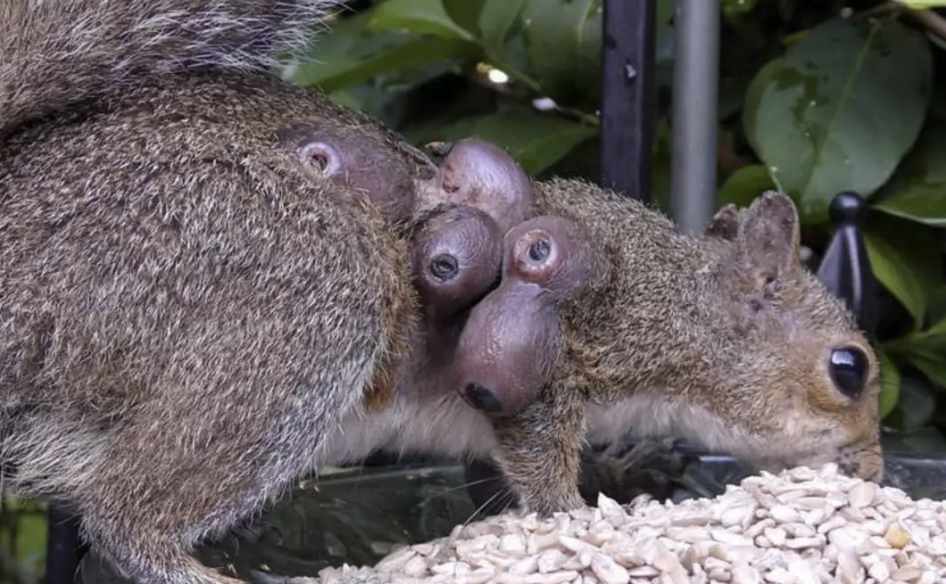
Just days after rabbits with bizarre horn-like growths went viral in the US, a fresh wildlife warning has been issued; this time about squirrels with swollen bumps protruding from their fur. While it might look alarming, experts say it’s not a sign of overeating or injury, but rather the work of a parasite called a botfly.
Evelyn’s Wildlife Refuge, a non-profit organization in Virginia, has been issuing annual warnings on Facebook as autumn approaches, a season when squirrel sightings spike. The group explained that squirrels sometimes carry botfly larvae, which tunnel beneath the skin and cause large, swollen protrusions that can make the animals appear diseased or severely ill.
Botflies are part of the Oestridae family and can target a wide range of hosts. While squirrels are among the most visible victims, other animals such as cats, dogs, rabbits, raccoons, and chipmunks can also become infected.
The infestation begins when a botfly lays its eggs on an animal’s fur. When the eggs hatch, the larvae burrow into the skin or enter through the nose or mouth, per For Fox Sake Wildlife Rescue.
Once inside, they begin to grow, forming the lumps that horrified onlookers often spot from a distance. After the larvae reach maturity, they push their way out of the host’s body and drop to the ground, where they bury themselves in the soil before emerging as adult flies.
It sounds grisly, but experts stress that botflies don’t usually kill their hosts. Most animals can survive the ordeal, though the presence of the larvae can cause obvious discomfort and distress.
The real danger, according to Evelyn’s, comes when well-meaning people try to remove the parasites themselves. In its latest Facebook post, the center stressed:
“Only skilled rehabbers or vets should attempt to extract bots. If the larvae’s body is compromised inside the host, anaphylactic shock and possible death is possible. These guys have something like legs that will ‘dig in’ the host in an effort to prevent removal. Caution should still be exercised during removal even if the bot is dead.”
The rescue group also took the opportunity to clear up confusion between botfly infestations and another condition, squirrel pox. The latter is a virus that spreads between squirrels, often at feeders, and results in smaller bumps across the body. Unlike botfly lumps, squirrel pox generally resolves on its own over time.
For now, experts are urging anyone who encounters lumpy-looking wildlife to resist the urge to intervene. Instead, they advise calling a licensed wildlife rehabilitator or veterinarian who has the right training to handle the situation safely.
‘Zombie Squirrels’ with oozing flesh terrify U.S. homeowners
After the alarm over “zombie rabbits” with creepy growths, a new warning has now been issued.
Americans are being urged to keep their distance after alarming sightings of squirrels with oozing sores, wart-like growths, and disfigured faces began popping up across the country.
Grotesque lumps
For many, squirrels are the charming little acrobats of the backyard — furry tails flicking as they dart from tree to tree. But recent photos and videos circulating on Reddit and Facebook have left animal lovers horrified, showing squirrels with grotesque lumps covering their bodies.
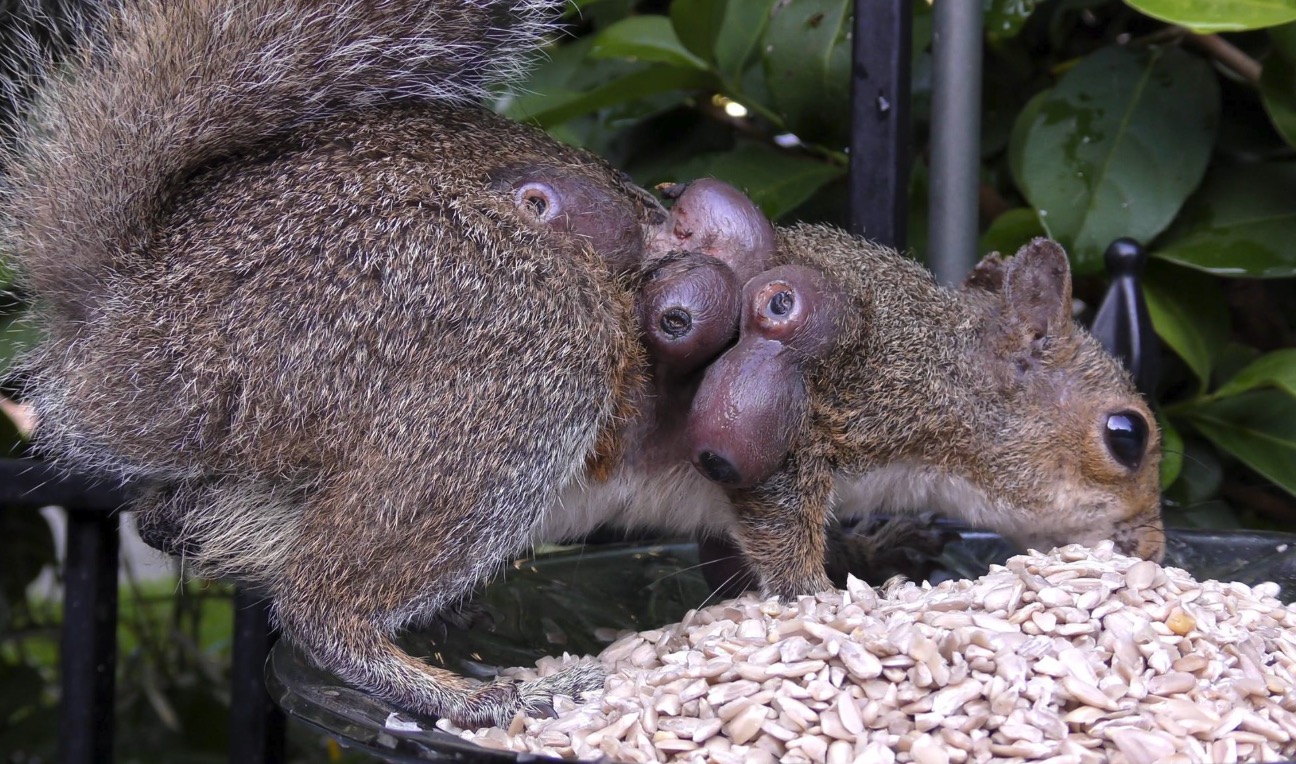
One concerned Reddit user posted a photo of a squirrel in late July, admitting at first they thought the critter “had been eating something,” but quickly realized the mass was “on its face.” They pleaded: “Any ideas what is going on with this little fella?”
It turns out, the unsettling answer is a naturally occurring disease known as squirrel pox — also called squirrel fibromatosis — and experts say it’s more common than most people realize.
Confirm the disease but urge caution
In 2023, residents in Maine reported seeing squirrels with oozing sores and scaly growths.
Wildlife biologist Shevenell Webb from the Maine Department of Inland Fisheries and Wildlife assured locals that the condition would “run its course,” but issued a strong warning to stay away.
“I would not recommend trying to capture a squirrel that has the virus. It is naturally occurring and will run its course in time,” Webb told Bangor Daily News.
The illness spreads quickly when squirrels gather at feeders, often coming into contact with one another’s saliva. Webb compared it to humans passing germs in crowded spaces:
“It’s like when you get a large concentration of people. If someone is sick and it’s something that spreads easily, others are going to catch it.”
Though the growths look disturbing, most infected squirrels survive — unless the fibromas spread to vital organs or block their ability to eat or see.
“It’s nothing to really worry about,” Webb explained. “For the most part, squirrels with squirrel pox are just really ugly to look at.”
“Zombie squirrels” spark panic online
From Maine to Virginia, the reports keep rolling in.
At Evelyn’s Wildlife Refuge, staff say they’ve also seen squirrels with “unusual looking skin lumps,” sometimes caused by another culprit entirely — a botfly parasite that tunnels under the skin.
Their warning was blunt: “Only skilled rehabbers or vets should attempt to extract bots.”
Social media users have been quick to dub the critters “zombie squirrels,” with one exasperated Twitter user writing: “Zombie Squirrels?! Seriously?! FFS!!”
Another horrified commenter posted a photo of an eastern gray squirrel with growths overtaking its face, asking: “Can grey squirrels survive squirrel pox? I see a few with early symptoms in my backyard.”
Others tried to find some humor in the nightmare fuel. One Redditor captioned their photo simply: “Squirrel Pox, ladies and gentlemen. Thank God they’re only for squirrels.”
Should pet owners worry?
Thankfully, experts stress that the virus is species-specific. According to the North Carolina Wildlife Resources Commission, humans, cats, and dogs are not at risk. In rare cases, domestic rabbits can catch the virus, but this is unusual.
Transmission between squirrels often happens through mosquito bites, according to the Wisconsin Department of Natural Resources, which described the illness as being “characterized by varying sizes and numbers of wart-like growths or fibromas on the skin of squirrels.”
The agency added: “Biting insects, such as mosquitos, are likely the primary route of transmission between squirrels.”
Hope for survival
While the photos look grim, not all hope is lost for the little creatures. In fact, many recover fully once the virus passes.
One wildlife enthusiast shared proof, posting a video of a once-infected squirrel bounding through a yard:
“He beat the worst squirrel pox I have seen and is recovering well. Bad scars but almost full function again and is socializing a little too!”
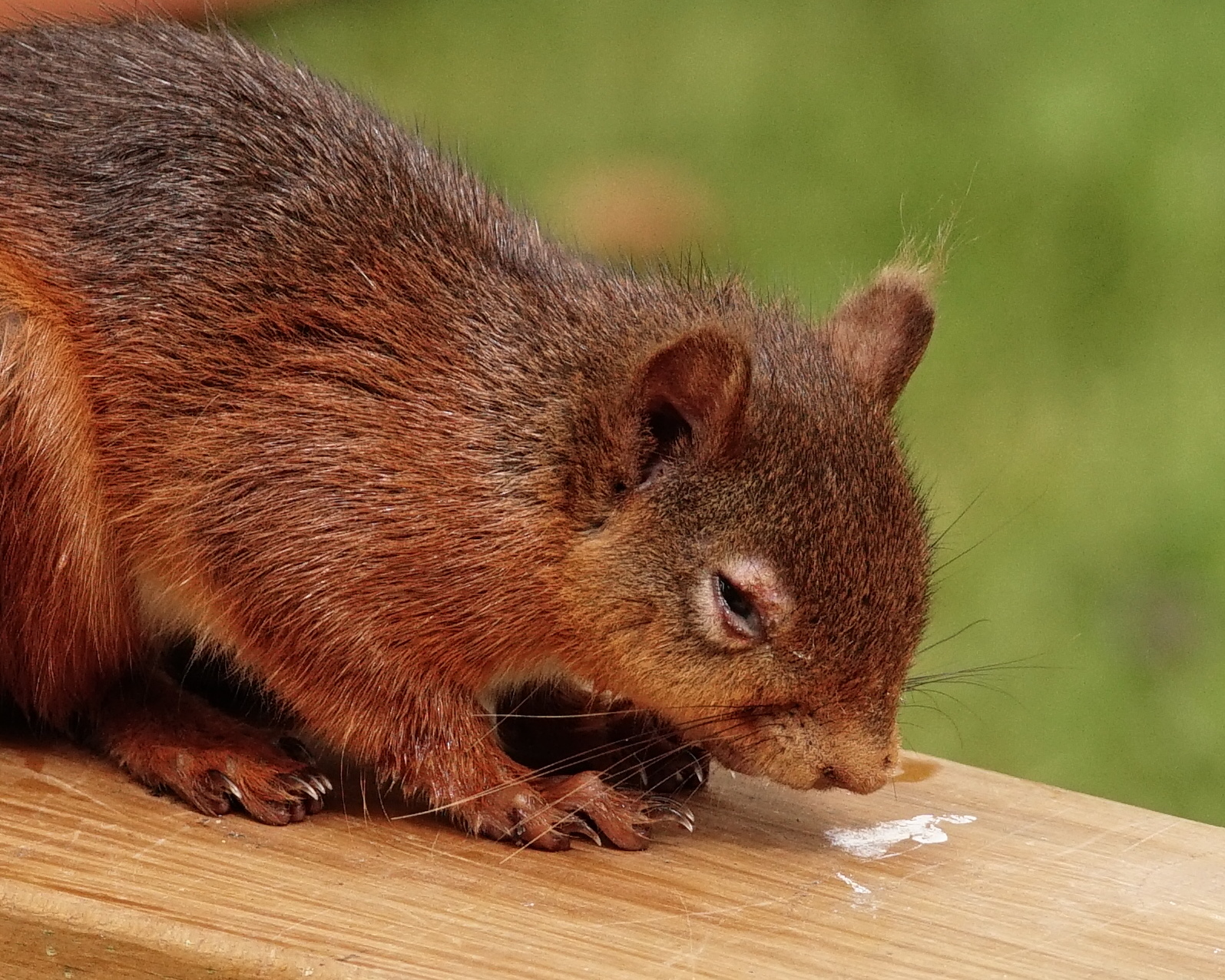
So while “zombie squirrels” may be terrifying to stumble across in your backyard, experts say the best thing to do is keep your distance, don’t interfere, and — most importantly — put away the feeders if you spot an outbreak.





:max_bytes(150000):strip_icc():focal(753x271:755x273):format(webp)/cole-the-deaf-dog-112125-1a-ad248101bd174108a795d88d6afd93d8.jpg?fit=750,500&ssl=1 "Elementary School Throws Deaf Therapy Dog a Surprise Birthday Party as Students Learn Sign Language to Sing ‘Happy Birthday’")