
A federal judge ruled that President Donald Trump’s handpicked board at the Kennedy Center did not have the authority to rename the venue.
A Kennedy Center official told a federal judge Saturday that all references to President Donald Trump inside, outside and online have been removed from the Kennedy Center, in compliance with the court’s extended order requiring their removal by noon.
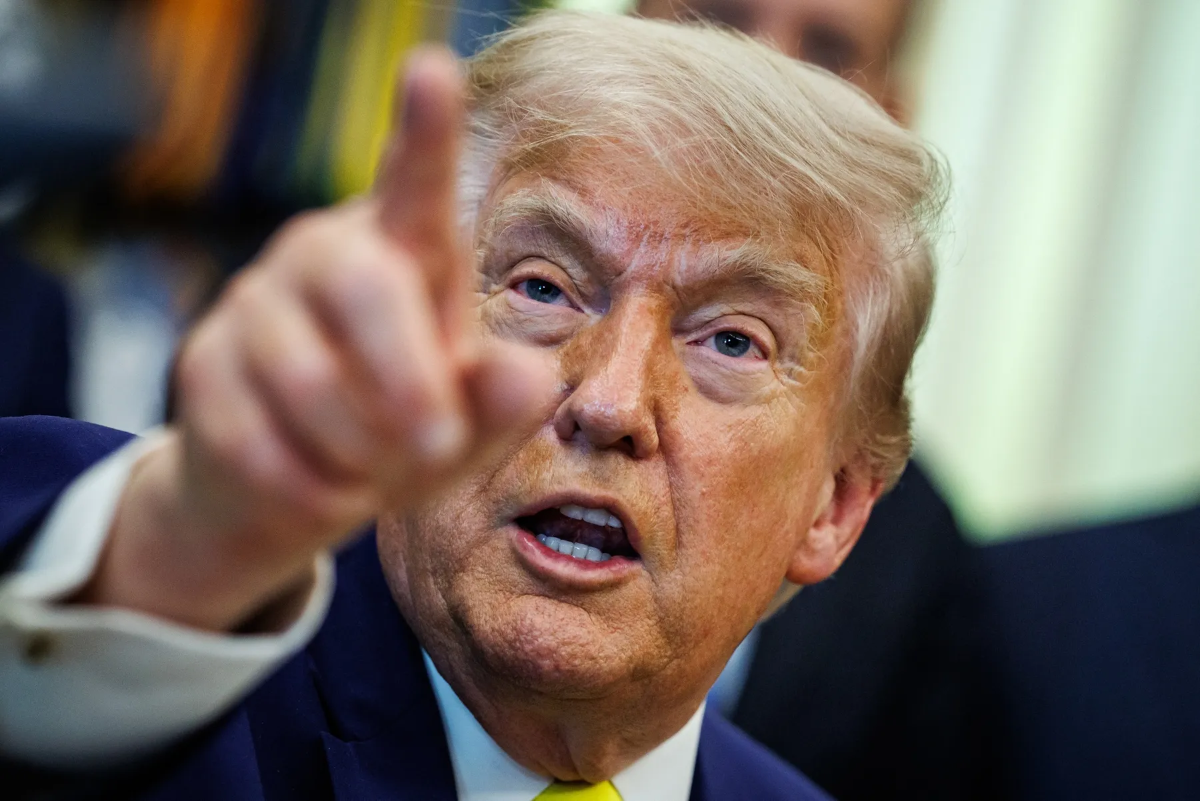
Construction workers began removing Trump’s name from the building’s facade early Saturday morning, six months after a board handpicked by the president voted to rebrand the iconic performing arts venue by adding his name to it.
Crews removed lettering on the building, added in December, that inserted Trump’s name before “The John F. Kennedy Center for the Performing Arts.”
Several dozen attendees gathered and cheered on the workers who prepared to take the president’s name off of the building.
A federal judge ruled last month that Trump’s name must be removed by June 12, writing that the center’s board did not have the authority to unilaterally rename the building.
“Congress gave the Kennedy Center its name, and only Congress can change it,” U.S. District Judge Christopher Cooper wrote on May 29.

Trump’s name was no longer visible on the center’s website as of Monday, with the site also reverting back to its prior “Kennedy Center” branding.
Late Friday night, the Justice Department sought a 12-hour delay to illustrate its compliance with the court order, blaming thunderstorms for the delay.
“The removal work is presently ongoing, and Defendants expect it will conclude in the early hours of the morning of June 13, 2026,” DOJ lawyers wrote.
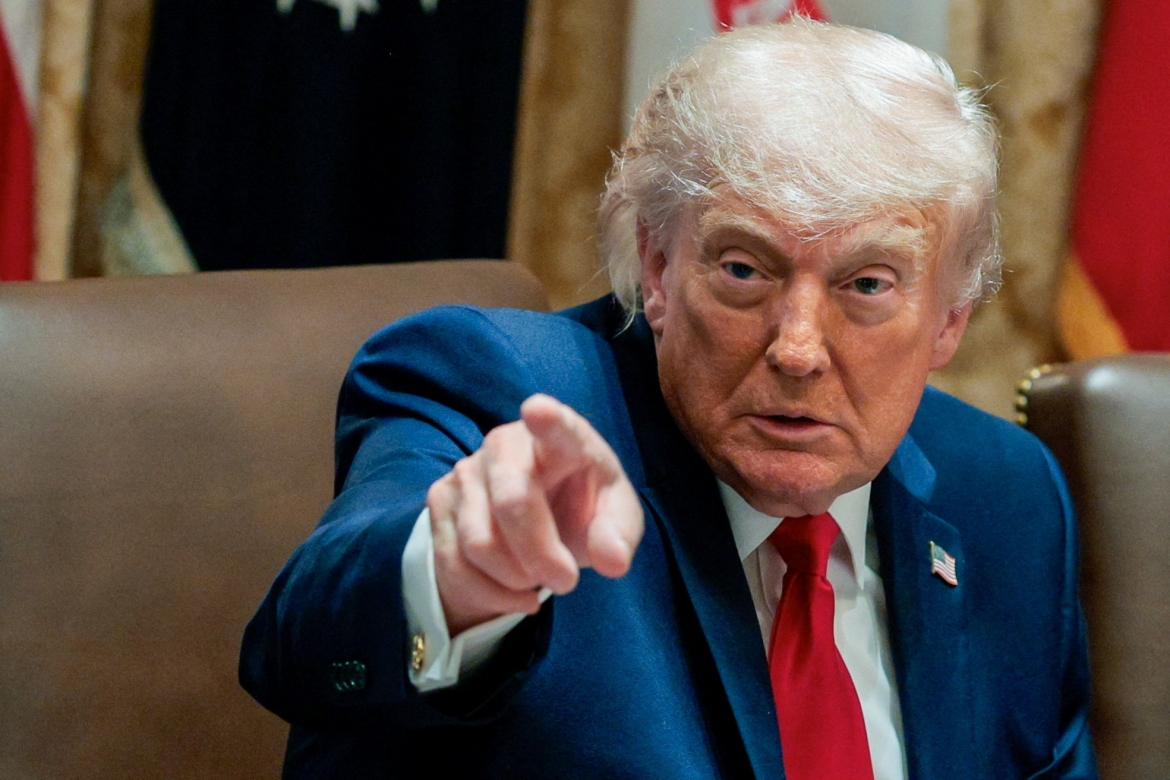
Trump first raised the prospect of adding his name to the Kennedy Center in a Truth Social post last August.
In a last-ditch effort to halt the judge’s order, the Kennedy Center sought to block it late Thursday. The judge denied that request Friday, hours before the deadline for removing Trump’s name.
In a filing to a federal appeals court seeking to block the judge’s order, the center argued for the first time that taking Trump’s name off the building would result in having to return hundreds of millions of dollars that the center has raised for renovations due to a previously unannounced change to the center’s bylaws.
“All of this money, hundreds of millions of dollars, will have to be immediately returned, or not received by the Center,” the filing said.
The filing said the “reason for this clause is that people and companies, who have given, or will be giving, millions of dollars to the Center were only willing to do so with the name ‘Trump’ on the Building.”
It does not say how, when or where the change was made to the center’s bylaws. The Kennedy Center did not respond to inquiries about when the changes were made and exactly how much money might be at risk.
The appeals court on Friday night denied the Kennedy Center’s request for a pause.

Lawyers for the ex officio board member who filed the suit, Democratic Rep. Joyce Beatty of Ohio, told the appeals court in a filing that the center’s argument was “meritless” since the funding issue was never raised in the lower court.
In a statement Saturday morning, Beatty called the removal of Trump’s name a “victory,” saying: “Today’s victory is the beginning of returning the Kennedy Center to the American people. The rule of law prevailed, and that is worth celebrating. Let this send a message across the country: when we stand up, fight back, and defend our democracy, we can win. This is just the beginning.”
Lawyers for the Kennedy Center directed staff last week to remove Trump’s name from all official signage in the building to comply with the judge’s May 29 order. Trump’s name was no longer visible on the center’s website as of Monday, with the site reverting back to its prior “Kennedy Center” branding.
The May ruling also blocked a planned two-year closure of the center sought by Trump’s board to undertake renovations. The judge called those plans an “ill-informed and seemingly preordained decision.”

Gaps in Trump’s Medical Report
President Trump’s latest medical report is being judged by the medical community as lacking sufficient detail, leaving the overall picture unclear.
The White House on the evening of May 29 released the results of U.S. President Donald Trump’s medical examination following his third routine physical as the nation’s leader at Walter Reed National Military Medical Center earlier in the week.

“The President’s health remains excellent, with good overall cardiac, respiratory, neurological, and physical function. His cognitive and physical capabilities are both outstanding. He is fully fit to execute all duties of the Commander-in-Chief and Head of State,” Dr. Sean Barbabella wrote in the report.
However, after reviewing the document, several physicians argued that the White House report still lacked detailed test results to evaluate the President’s cardiovascular health. And this was just one of many areas that the medical community deemed too vague in the report.
When describing President Trump’s cardiovascular health, Dr. Barbabella cited results from a coronary computed tomography angiography—commonly used to check for narrowing or blockages in the heart arteries—an echocardiogram, and an AI-applied electrocardiogram analysis. He noted that the AI analysis estimated the President’s heart age to be 14 years younger than his chronological age of 79.

Despite this, the report released by the White House contained none of the critical data points normally derived from such tests to baseline the conclusion that President Trump’s heart function is normal. Dr. Barbabella also stated that carotid artery ultrasound results were normal but did not provide specific metrics.
“If I were writing a medical record to transfer to another physician, I would document the carotid ultrasound results in greater detail,” said Dr. William Shutze, a vascular surgeon in Texas. “It is necessary to specify the amount of plaque, because almost all of us have this buildup.”
Many other physicians stated that to comprehensively assess the President’s cardiovascular health, they would need to see a coronary calcium score, a detailed description of arterial plaque, and a CAD-RADS score to determine the degree of luminal narrowing. Experts noted that the report’s generalized phrasing of “no arterial blockages or structural abnormalities” in the heart or major blood vessels could simply mean “not completely blocked.”
Physicians also contended that additional details from the echocardiogram, such as the ejection fraction—the percentage of blood pumped out with each contraction of the heart—would help provide a more comprehensive picture. Mr. Trump’s 2018 medical report had explicitly listed this index.
During his four-year term, President Joe Biden showed signs of health decline even as annual physical examinations consistently rated him in good physical condition. He dropped out of the re-election campaign weeks after a failed debate performance in June 2024.

Mr. Biden’s physicians did not perform a prostate-specific antigen screening, a PSA test that yields metrics helping to detect prostate cancer. Shortly after leaving office, he was diagnosed with advanced, high-grade, malignant prostate cancer that had metastasized to the bone. The medical community noted that the disease almost certainly could have been detected earlier if Mr. Biden’s physical exam had included the aforementioned test.
Mr. Trump’s medical exam results did include a PSA level, recorded at 1 ng/mL. This figure is higher than in previous exams but remains within a healthy threshold. A gradual increase in this index with age is entirely normal.
The report also lacked detail in other critical specialties where Mr. Trump had a history of medical conditions. Last year, he visited Walter Reed three times, including once to address lower leg swelling diagnosed by physicians as chronic venous insufficiency. This is a common condition among the elderly, occurring when the one-way valves inside the veins operate inefficiently.
The latest report described President Trump as having “mild lower leg swelling” and noted it was “showing better progress than last year.” Even so, the report offered no rationale as to why the condition had improved. A few months ago, Mr. Trump told the Wall Street Journal that he refused to wear compression stockings, a common treatment for the ailment. The medical community noted that it is quite rare for chronic venous insufficiency to improve on its own without treatment.
The White House, meanwhile, noted that the severity of the condition can fluctuate over time.
The President’s lipid panel and medication regimen also drew attention from many doctors. These metrics were astonishingly good: HDL (good cholesterol) reached 70 mg/dL, while LDL (bad cholesterol) sat at 53 mg/dL.
The report noted that Mr. Trump is taking rosuvastatin and ezetimibe to manage his cholesterol. Dr. Daniel Torrent, a vascular surgery specialist in Georgia, remarked that the President “has some of the best lipid numbers you’ll ever see,” adding that using medication to achieve such ideal figures is very rare.
“We typically do not treat patients to the point where their metrics look that pristine,” he said.
The White House asserted that Mr. Trump’s metrics are entirely aligned with expected therapeutic outcomes and established cardiovascular prevention goals.

Additionally, the report made no mention of a red rash on Mr. Trump’s neck earlier this year. When the rash appeared in early March, Dr. Barbabella had announced in a written statement that the President was using a topical cream to prevent a skin condition, but did not specify what it was.
Past medical examination reports typically provided more detail regarding the President’s dermatological conditions. Last year’s report noted mild sun damage and benign lesions. This latest report did mention bruising that appeared on Mr. Trump’s hands. Dr. Barbabella noted that these bruises were consistent with “mild soft tissue irritation,” while attributing the cause to “frequent handshaking” and the “benign effects of aspirin therapy.”
A few months ago, President Trump revealed that he was taking more than the recommended dosage of aspirin because he wanted his “blood to be very thin and flow well through the heart.” At the time, Dr. Barbabella stated the President was taking aspirin for “cardiovascular prevention” at a dosage of 325 mg per day. However, the recent report did not specify what the current aspirin dosage is.
The White House explained that medication lists in summaries are often condensed to help readers grasp the core information easily. The White House statement asserted that “the omission of a specific medication, dosage, or medical history does not imply that the condition is not being monitored or treated.”
Many physicians assessed that the report’s sparse mention of conditions previously detailed, combined with the lack of standard information in critical categories, has left an incomplete mosaic of President Trump’s health.

“That report is almost too good to be true for someone his age,” Dr. Shutze observed.
Meanwhile, White House Communications Director Steven Cheung pushed back: “President Trump has publicly disclosed more details about his health than any other president in history, demonstrating that he is in fantastic physical shape.”
Cheung criticized outside physicians for speculating on records belonging to a patient who is not under their purview of care. Currently, U.S. law contains no regulations or mandatory requirements forcing presidents to share private health data.
According to the White House announcement, the published summary was intended to provide a general overview of President Trump’s physical examination. The White House also stated that the absence of specific data points was itself a confirmation that he exhibited no clinical abnormalities whatsoever.
Intelligence Headache for Trump

U.S. officials worry that allowing a powerful intelligence surveillance tool to expire will leave the United States “blind” to looming threats.
Section 702, the statute governing key U.S. intelligence surveillance powers, expired early on the morning of June 13, Eastern Time. Prior to this, the U.S. Congress failed to reach an agreement to extend the law.
U.S. President Donald Trump, members of Congress, and numerous current and former intelligence officials have all sounded the alarm regarding the risks. They warn that a disruption to Section 702 will leave the United States “blind” to terrorist plots, cyberattacks, and other severe threats.
A Powerful Intelligence Tool
Over the past few weeks, the U.S. Congress failed to reach an agreement to renew Section 702. This marks the first time Section 702 has expired since it was enacted in 2008. Proponents of the law argue that the stakes are currently incredibly high.
Section 702 allows the U.S. government to collect information from American companies like Google or AT&T based on the private communications of foreigners located outside U.S. territory with American citizens.
This is a sweeping surveillance law that enables U.S. authorities to monitor calls, texts, and emails of foreign targets. However, controversially, the data of U.S. citizens can also be swept up in the process.
Nearly every member of the U.S. Congress acknowledges that the intelligence program based on Section 702 plays an essential role in American security.
Officials with the U.S. National Security Agency (NSA)—the unit primarily responsible for data collected under Section 702—stated that information gathered under this statute contributes approximately 60% of the classified intelligence content in the President’s Daily Brief.
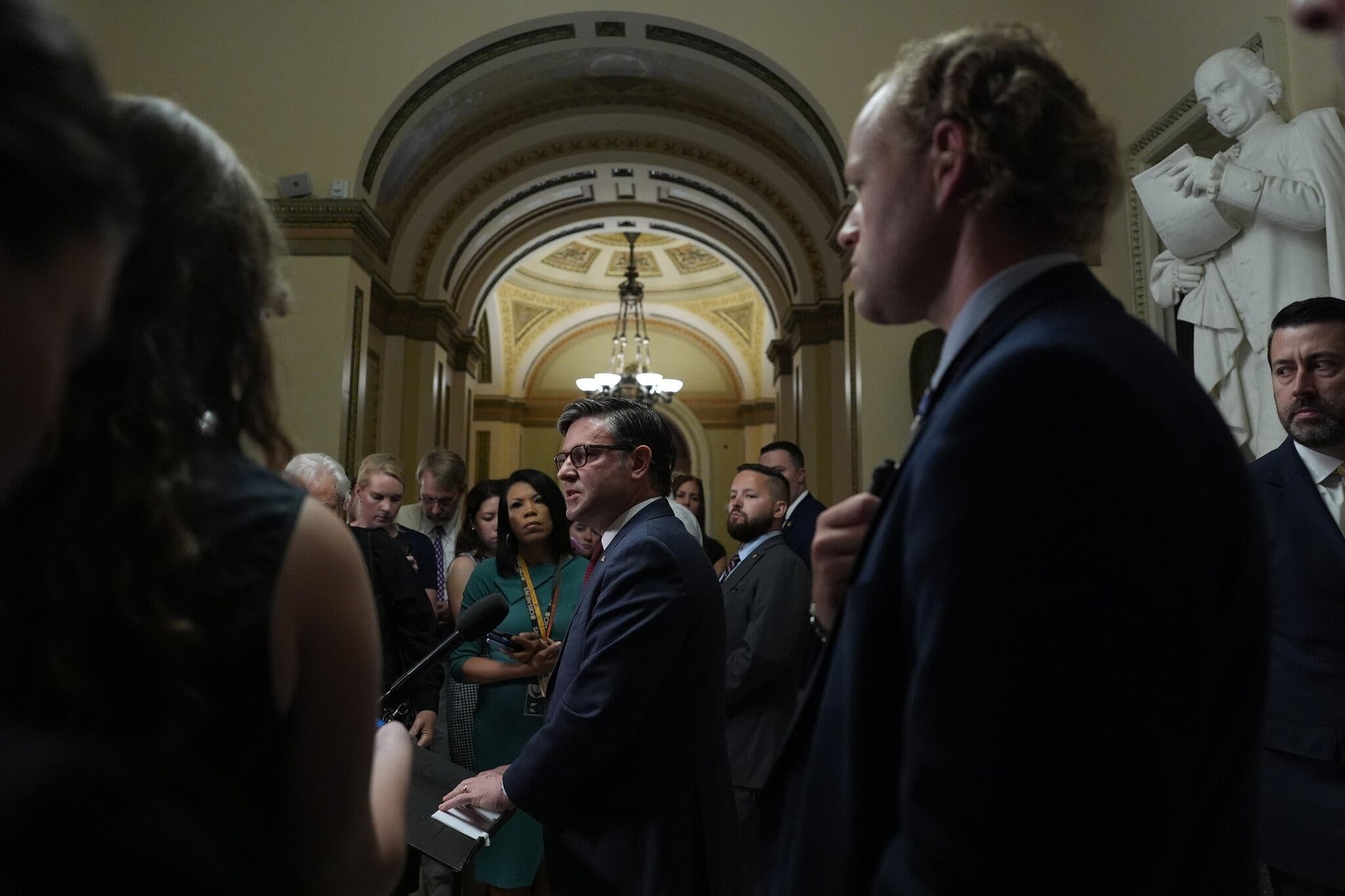
The expiration of Section 702 comes as the U.S. is engaged in a conflict in Iran, hosting the World Cup, and preparing for the celebration of its 250th independence anniversary. The current situation demands that the U.S. maintain a high level of security.
Republican Senator John Cornyn argued that failing to extend Section 702 could lead to a “disaster for national security.”
House Speaker Mike Johnson accused Democratic lawmakers of placing the United States at risk of a “severe catastrophe.”
Democratic lawmakers are currently opposing the extension of Section 702, partly due to their disagreement over Mr. Trump’s choice of Bill Pulte as acting Director of National Intelligence.
Democratic Senator Mark Warner had also previously warned about the risks if Section 702 were to expire. However, he and many allies withdrew from renewal negotiations with the Republican Party to protest Mr. Trump’s personnel choice for the position of acting Director of National Intelligence.
Democrats are demanding that Mr. Pulte not be appointed to the Director of National Intelligence position, even on a temporary basis. They argue that Mr. Pulte, during his tenure as head of the Federal Housing Finance Agency, used his power at the agency to retaliate against those perceived as Mr. Trump’s political rivals.
On June 11, Mr. Trump announced he would nominate Jay Clayton, a federal prosecutor in Manhattan and former Chairman of the U.S. Securities and Exchange Commission, as the official nominee for Director of National Intelligence.
Republicans are pushing to fast-track Mr. Clayton’s confirmation process. However, the House is in recess until June 23, leaving the extension of Section 702 temporarily stalled.
Even after Congress reconvenes, lingering concerns about the law from both parties could still create hurdles for the renewal process.
Is the Situation Truly Critical?
Tech companies cooperating with the U.S. government could refuse to comply with information requests starting immediately, leading to potential gaps in intelligence collection.
Internet and telecommunications service providers could argue that they cannot bear legal liability if the law has expired.

According to proponents of the law, it would only take one or two providers temporarily halting data sharing to cause the NSA to miss information on an urgent threat.
Nevertheless, in reality, Section 702—part of the Foreign Intelligence Surveillance Act (FISA)—will continue to remain operationally effective until next year.
Section 702 is periodically approved on an annual basis by the Foreign Intelligence Surveillance Court (FISC). The most recent approval occurred in March. According to assessments by multiple former U.S. officials and legal experts, this means the NSA can continue to operate under Section 702 until March 2027.
Glenn Gerstell, former top legal counsel for the NSA, warned that while the FISA Court’s annual approval helps sustain the validity of Section 702, intelligence collection could still face disruptions if privacy-related lawsuits arise.
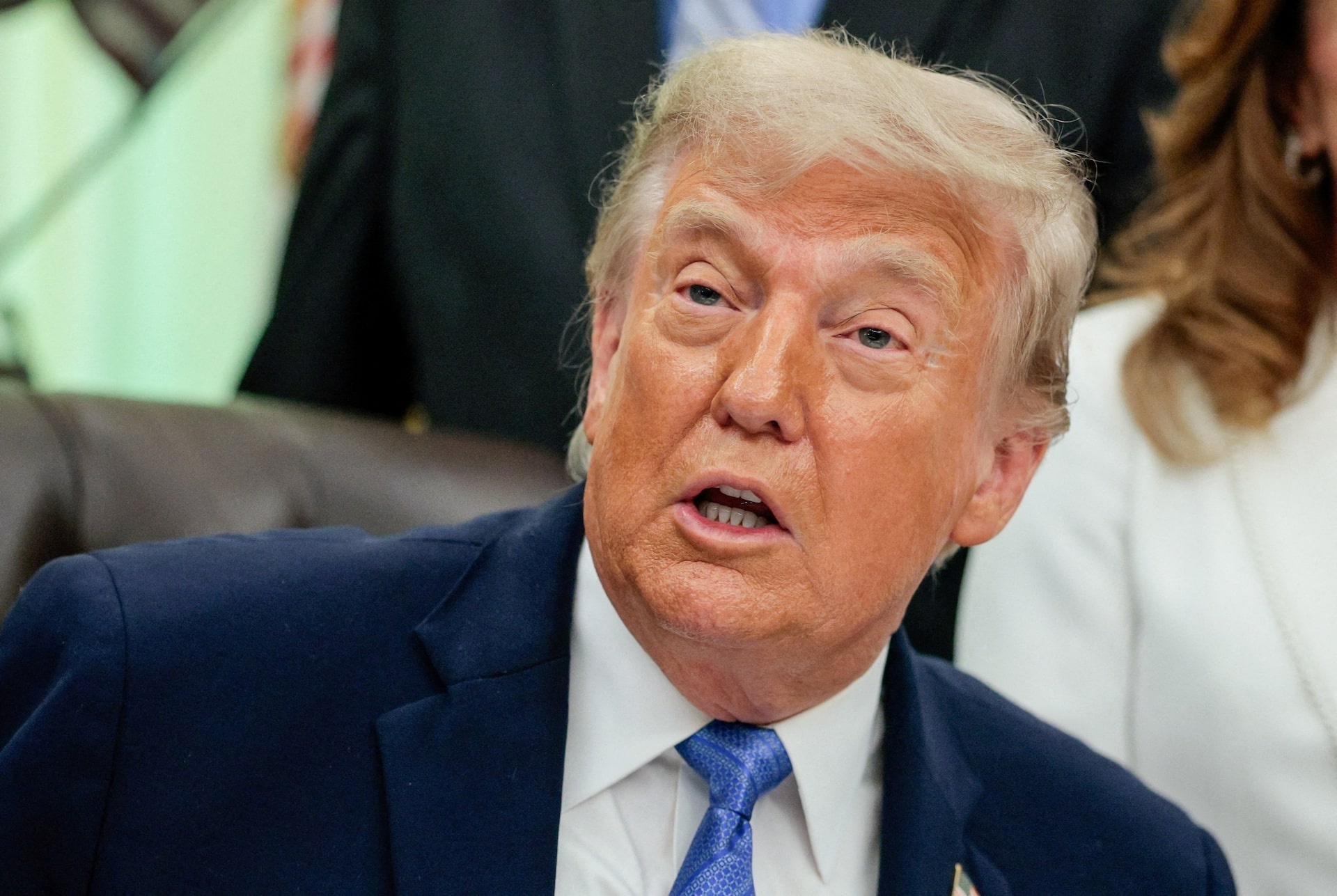
“It is entirely possible that some internet and telecommunications companies will demand explicit court orders from the government before they agree to hand over customer information,” Mr. Gerstell said.
Conversely, Elizabeth Goitein, an expert at the Brennan Center for Justice, argued that existing law is very clear: FISA Court approvals remain valid until they expire, regardless of whether Section 702 is extended. According to her, this mechanism was designed as a safeguard built right into Section 702 when it was created in 2008.
Ms. Goitein recalled that a similar issue was tested under a predecessor statute with language identical to Section 702. At that time, Yahoo refused to comply with an information request and faced a fine of $250,000 for each day of delay; ultimately, the company lost the lawsuit.
According to her, current regulations are even clearer—the moment an entity refuses to provide information to the government, the FISA Court will immediately compel them to comply.
Ms. Goitein contended that fears of the U.S. “going dark” in intelligence are merely pretexts put forward by those who oppose reforming Section 702, aiming to pressure Congress into quickly renewing the law as it stands.
Several lawmakers who oppose keeping Section 702 intact also argue that the U.S. administration is creating an “illusion of urgency” to renew the statute without implementing any changes.
In reality, civil liberties organizations in the U.S. have long argued that Section 702 risks violating the privacy of Americans.
The collection of Americans’ data without a formal court warrant has long drawn criticism from both parties.
Currently, Section 702 allows intelligence agencies to collect information without requiring a court warrant, primarily because the surveillance targets are foreigners. However, the data of Americans can also be swept up during this process
Donald Trump’s Dilemma Ahead of a Global Oil Shock
Policy options ranging from naval intervention to market-based measures all carry inherent risks for the global economy.

The Strait of Hormuz—a strategic maritime route through which roughly one-fifth of global oil consumption passes—is becoming a severe bottleneck for the energy market. As tensions escalate and shipping through the region is disrupted, global oil prices have surged, with Brent crude surpassing the $100-per-barrel mark.
According to experts, each day this route remains gridlocked not only compounds economic damage but could also trigger a domino effect across energy markets and the broader global economy.
Against this backdrop, the administration of President Donald Trump faces a difficult choice: accept the risk of a global economic recession driven by energy supply disruptions, or deploy a high-risk naval military campaign to restore oil transit through the Strait of Hormuz.
Mounting Pressure on the Oil Market
As supplies are disrupted, several major oil-producing nations in the Middle East have been forced to cut production. Kuwait, Iraq, and the United Arab Emirates (UAE) are reported to have shut in some of their oil wells as storage capacity limits are reached. Halting extraction in these scenarios cannot be undone instantly, raising the threat of severe supply shortages in the near future.
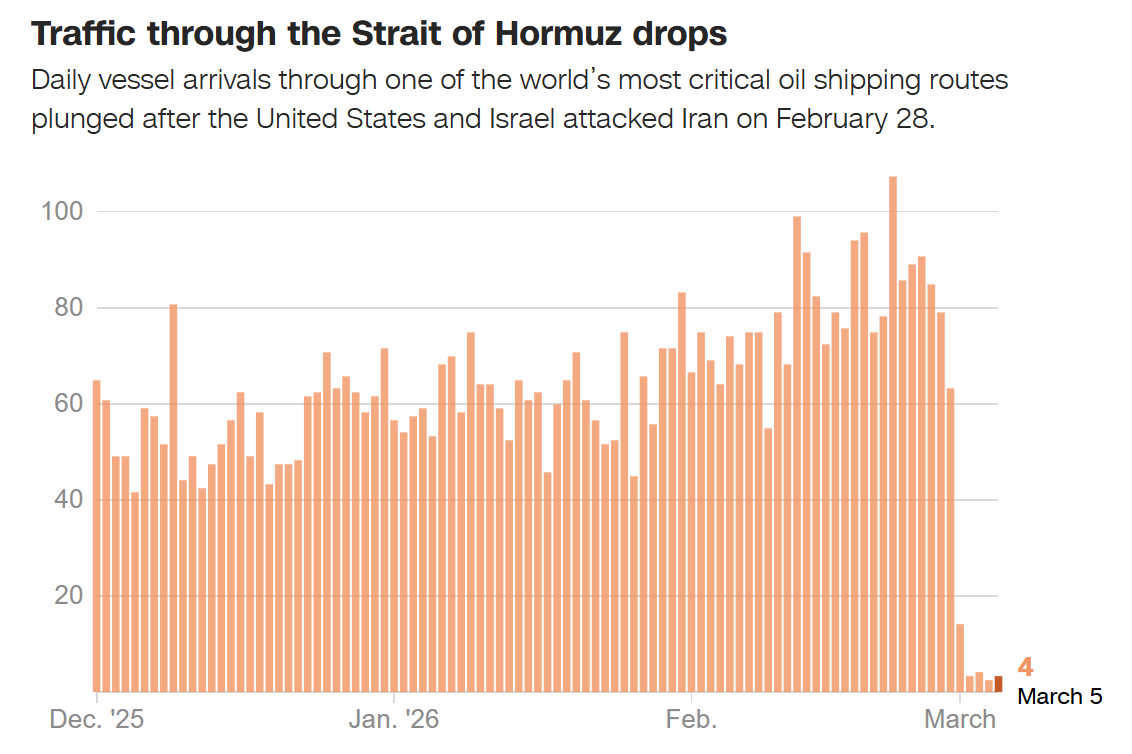
A former senior U.S. official observed that if this situation persists, Washington may have to reassess the scale and scope of related military operations. According to this source, the White House is acutely aware of the urgent need to find a short-term solution to stabilize the market.
In this context, the option most frequently cited by energy industry experts and diplomats is the deployment of a U.S. Navy-led tanker escort operation to secure transit through the Strait of Hormuz. President Donald Trump had previously floated the possibility of implementing such a measure.
Rising Military Risks
However, deploying naval forces into a conflict zone carries profound risks. While the USS Abraham Lincoln carrier strike group remains on standby, the tactical reality at sea is exceptionally perilous. Sources indicate that Iran has reinforced its military presence in the Strait of Hormuz and divided operational sectors between its regular navy and the Islamic Revolutionary Guard Corps.
According to analysts’ assessments, these forces are capable of employing various asymmetric tactics, such as laying naval mines, deploying explosive-laden fast attack craft, or utilizing coastal defense missiles. This places any escort operation at risk of direct confrontation, putting the U.S. Navy in a precarious position.

Some sources describe the current situation in the strait as uniquely hazardous, with U.S. warships forced to navigate around strategic choke points within the area even as they maintain a military presence.
Intelligence agencies also suggest that Iran could adopt psychological pressure tactics, such as refraining from attacking vessels entering the Gulf but targeting them as they depart the region fully loaded with oil or liquefied natural gas.
Searching for Market-Stabilizing Solutions
While military options remain under consideration, President Donald Trump’s administration is also seeking economic measures to alleviate pressure on the energy market. White House officials maintain that the current volatility may be temporary and will soon be brought under control.
U.S. Energy Secretary Chris Wright noted that energy prices might only spike for a short period before the market stabilizes again. The U.S. administration has also held discussions with oil and gas corporations regarding measures to curb the price surge.
.jpeg)
Additionally, Washington is weighing several other options, including financial assistance for shipowners to incentivize them to continue transit through the region, while simultaneously considering adjustments to sanctions to boost oil supply on the global market.
Some officials also stated that the U.S. is monitoring the potential for production increases from other nations, including Venezuela, to offset the supply shortfall.
The Domestic Political Equation
Beyond geopolitical factors, the energy crisis poses a political challenge for President Donald Trump. With the U.S. midterm elections approaching, a sharp spike in gasoline prices could negatively impact voter sentiment.
Analysts suggest that the U.S. administration must weigh accepting military risks to restore the flow of oil through the Strait of Hormuz against finding market solutions to ease energy price pressures.
Meanwhile, many oil and gas industry experts contend that the fundamental solution remains the restoration of shipping operations through this strategic waterway. Until tankers can navigate safely, the global economy remains vulnerable to disruptions at one of the most critical choke points in the world’s energy system




:max_bytes(150000):strip_icc():focal(739x317:741x319)/olivia-munn-mei-instagram2-100124-7e4428121c74464193b57e64f71e8698.jpg?fit=1500,1000&ssl=1 "Olivia Munn Shares Adorable Video of Her Fast-Growing 4-Month-Old Daughter Méi: ‘She’s So Strong and Happy’")



:max_bytes(150000):strip_icc():focal(753x271:755x273):format(webp)/cole-the-deaf-dog-112125-1a-ad248101bd174108a795d88d6afd93d8.jpg?fit=750,500&ssl=1 "Elementary School Throws Deaf Therapy Dog a Surprise Birthday Party as Students Learn Sign Language to Sing ‘Happy Birthday’")



:max_bytes(150000):strip_icc():focal(787x286:789x288)/kate-middleton-national-portrait-gallery-london-020625-2-9f9c0e144582457683b62672597dbf19.jpg?fit=1500,1000&ssl=1 "King Charles set to give Kate Middleton power to put billion ‘Kate Effect’ into action")


