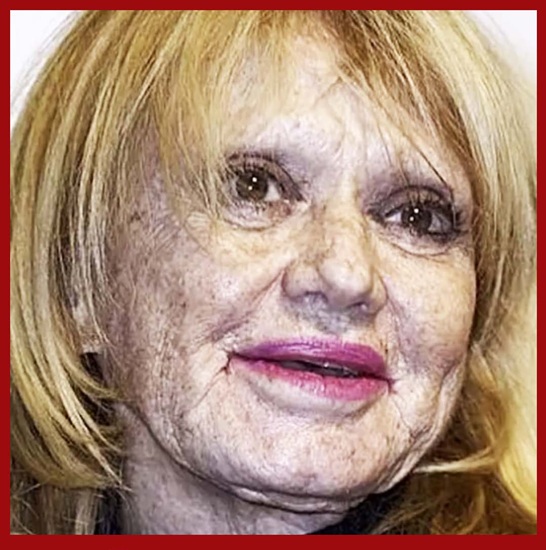
“She’s a cross between The Beatles and Brenda Lee,” a fan once said. Yet, despite this unique blend of charisma and talent, many American audiences might not be familiar with Rita Pavone, the legendary Italian singer.
In Italy, Pavone quickly became a household name during the 1960s, captivating audiences with her energy, vocal range, and stage presence.
Born on August 23, 1945, in Turin, Italy, Rita Pavone grew up in a working-class family. Her father, Giovanni Pavoni, worked at the Fiat factory, while her mother, Maria, cared for Rita and her three brothers, Perio, Carlo, and Cicco. From a young age, Rita exhibited a natural flair for music.
She began singing at school events and local gatherings, gradually performing in Turin’s bars.
By 1962, pop music was gaining global popularity, largely influenced by artists like Elvis Presley and The Beatles. Rita’s early exposure to this music shaped her ambitions and performance style.
A pivotal moment arrived when the first “Rally of the Unknown,” a talent competition in Ariccia near Rome, was announced.
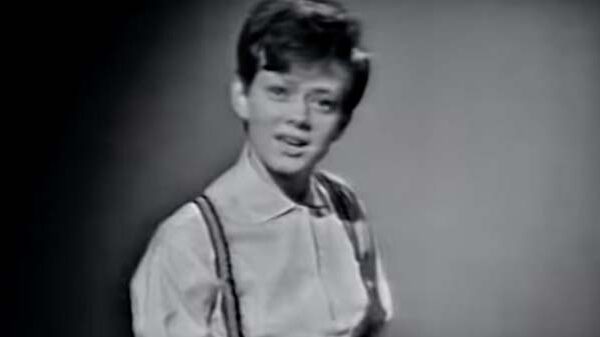
Over 20,000 aspiring artists signed up, creating fierce competition. Rita and her mother were unsure if a music career was viable, given her previous struggles.
Pavone herself recalled it was her last chance to break through. She had been singing since age nine but had only local recognition.
Her mother suggested putting her dreams on hold, possibly returning to Turin and pursuing a more conventional life, perhaps marriage.
Rita’s father secretly intervened, writing to Teddy Reno, the competition’s organizer, requesting that Rita be allowed to participate.
This small but decisive act changed her life, granting the young singer an opportunity that would define her career.
Attending the competition, Rita felt the weight of finality. She knew failure might mean abandoning her dreams entirely. Fortunately, her performance captivated the judges, and she won the contest, achieving instant national recognition in Italy.
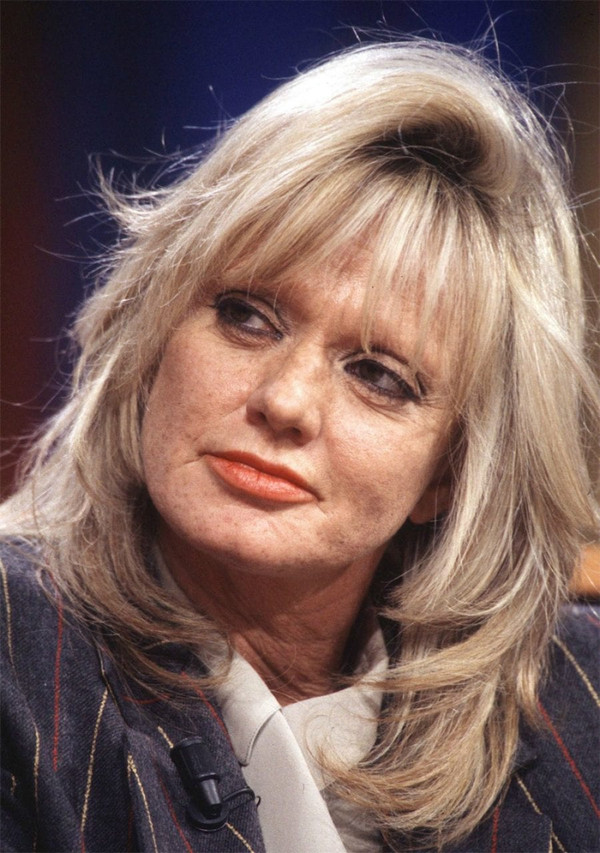
Following her victory, Rita Pavone quickly recorded her debut album, featuring the hit single “La Partita di Pallone” (“The Ball Game”).
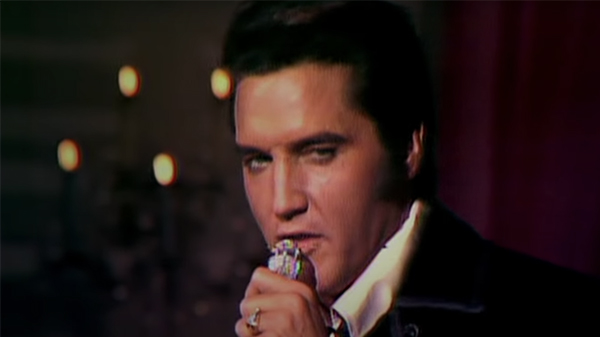
Her recordings were rapidly followed by live performances on Italian television, cementing her status as one of Italy’s rising stars.
Rita often reflected on the elements of her success, noting that her unique vocal style, slightly high-pitched and cutting yet deeply personal, combined with a strong personality, made her stand out. She believed her individuality was her ultimate advantage.
Her distinctive appearance also contributed to her public persona. With red hair, freckles, and a face that blended youthful femininity with tomboyish traits, she defied traditional beauty standards.
Pavone famously stated, “You don’t need to wear a women’s dress to be a woman.”
By age 19, Pavone had sold hundreds of thousands of albums in Italy. International interest followed, and she was invited to audition for RCA Records in the United States.
Many believed she could become the next global sensation, bridging European pop with American audiences.
Her U.S. debut included appearances on the legendary Ed Sullivan Show, where her energetic performances were praised. Pavone also embarked on a PR tour across the country, performing in concerts and television shows to expand her fan base.
In addition to television, she performed with celebrated artists such as Diana Ross and The Supremes, Ella Fitzgerald, and Tom Jones. Her appearances at iconic venues like Carnegie Hall reinforced her international credibility as a performer.
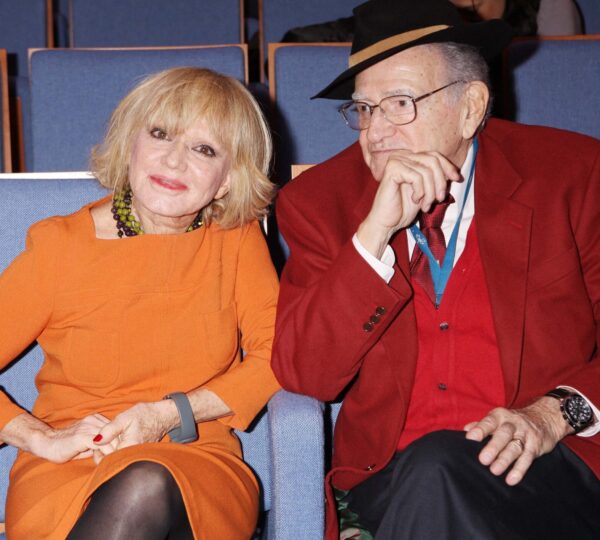
However, the most extraordinary event of her U.S. journey occurred offstage, in a recording studio in Nashville.
There, Rita Pavone met one of her lifelong idols: Elvis Presley, the King of Rock and Roll, whose music had inspired her from an early age.
At the time, Pavone didn’t speak English fluently, and the news of Elvis’ visit initially confused her. Overhearing Brenda Lee mention his upcoming presence, she became aware that she would have a chance to meet the legendary singer in person, sparking immense excitement.
Despite the strict protocols surrounding Elvis, Pavone persuaded producer Chet Atkins to facilitate the meeting. She patiently waited until midnight at the RCA studios, where staff members escorted Elvis, his lawyer, and his personal team before he finally arrived.
Elvis entered wearing distinctive yellow Ray-Bans and signature sideburns. He greeted Pavone warmly, acknowledging her talent and fame.
Their brief interaction included the presentation of a canvas painting, personally signed with “Best wishes to Rita,” which she still cherishes today.
Rita described the encounter as surreal, noting Elvis’ down-to-earth demeanor despite his immense fame. She recalled her son jokingly predicting he might sell the painting after her passing, emphasizing the sentimental value it held as a personal memento from a global icon.
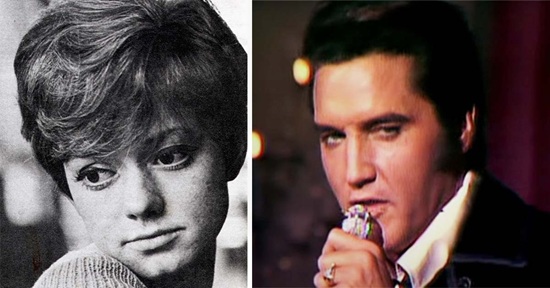
Elvis’ manager, Colonel Tom Parker, had reportedly been opposed to the meeting. However, the singer himself recognized Pavone from her Ed Sullivan appearance, proving his awareness and respect for international artists, and granting her an unforgettable experience.
Though Rita Pavone enjoyed several international hits, including “Datemi un Martello,” “Viva La Pappa Col Pomodoro,” and “Cuore,” which charted in the United Kingdom, the U.S. market proved challenging. Beatlemania and changing musical trends limited her long-term breakthrough in America.
After five years abroad, Pavone returned to Italy. She transitioned smoothly into television, starring in the 1965 series Il Giornalino di Gian Burrasca, and appeared in numerous films and series over the subsequent decades. Her versatility ensured continued popularity at home.
During her career, Pavone also found personal happiness. Teddy Reno, the same individual who had given her the opportunity at the talent competition, became her manager and eventual life partner.
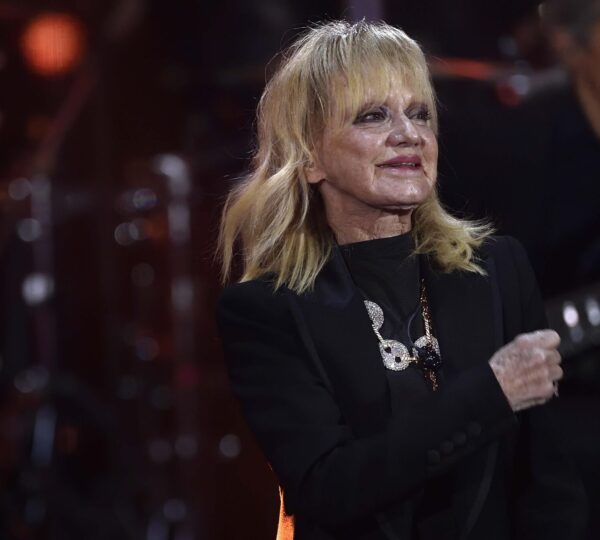
Their romance culminated in marriage in 1968, despite a nearly twenty-year age difference.
Initially controversial, their union faced resistance from family and friends, particularly Rita’s father. Over time, her father accepted the marriage, recognizing her autonomy and decision-making. The couple eventually settled in Switzerland, where they continue to live today.
Rita Pavone’s legacy extends beyond music. She inspired generations of Italian performers with her confidence, unique style, and resilience. Her ability to maintain authenticity in a competitive industry became a hallmark of her public persona.
Even decades later, Pavone remained active in entertainment. She participated in the Italian version of Dancing with the Stars in 2016 and performed at the Sanremo Festival in 2020, showcasing her enduring stage presence and vitality despite her advanced age.
Her story exemplifies perseverance, talent, and cross-cultural influence. From local bars in Turin to iconic stages worldwide, Pavone navigated fame with determination and originality, leaving a lasting mark on both European and global pop culture.
Today, at 80 years old, Rita Pavone enjoys a quieter life in Ticino, Switzerland, alongside her husband.
Yet, her contributions to music, television, and popular culture remain celebrated, with fans continuing to admire her remarkable journey and timeless artistry.

Rita Pavone, eighty years of music and vitality
From the “Zanzara di Torino” to international stages: a unique career that has marked the history of entertainment
Rita Pavone turns 80, and the world of music and entertainment celebrates a career that has spanned more than six decades, leaving an indelible mark in Italy and abroad. Born in Turin on August 23, 1945, as Rita Ori Filomena Pavone, the singer and actress—now a naturalized Swiss citizen—transformed from a promising young woman into a pop icon, embodying generations of success and cultural transformation.
The nickname “Mosquito from Turin,” which made her familiar to the general public, speaks volumes about her irrepressible energy. Also known as “Carrot Skin” due to her red hair, Pavone conquered the charts with her soprano voice and an instantly recognizable style. The numbers speak for themselves: 50 million records sold worldwide, recordings in seven different languages, and the distinction of being one of the few Italian pop artists to appear in the UK charts.
From its Turin origins to its success in Ariccia
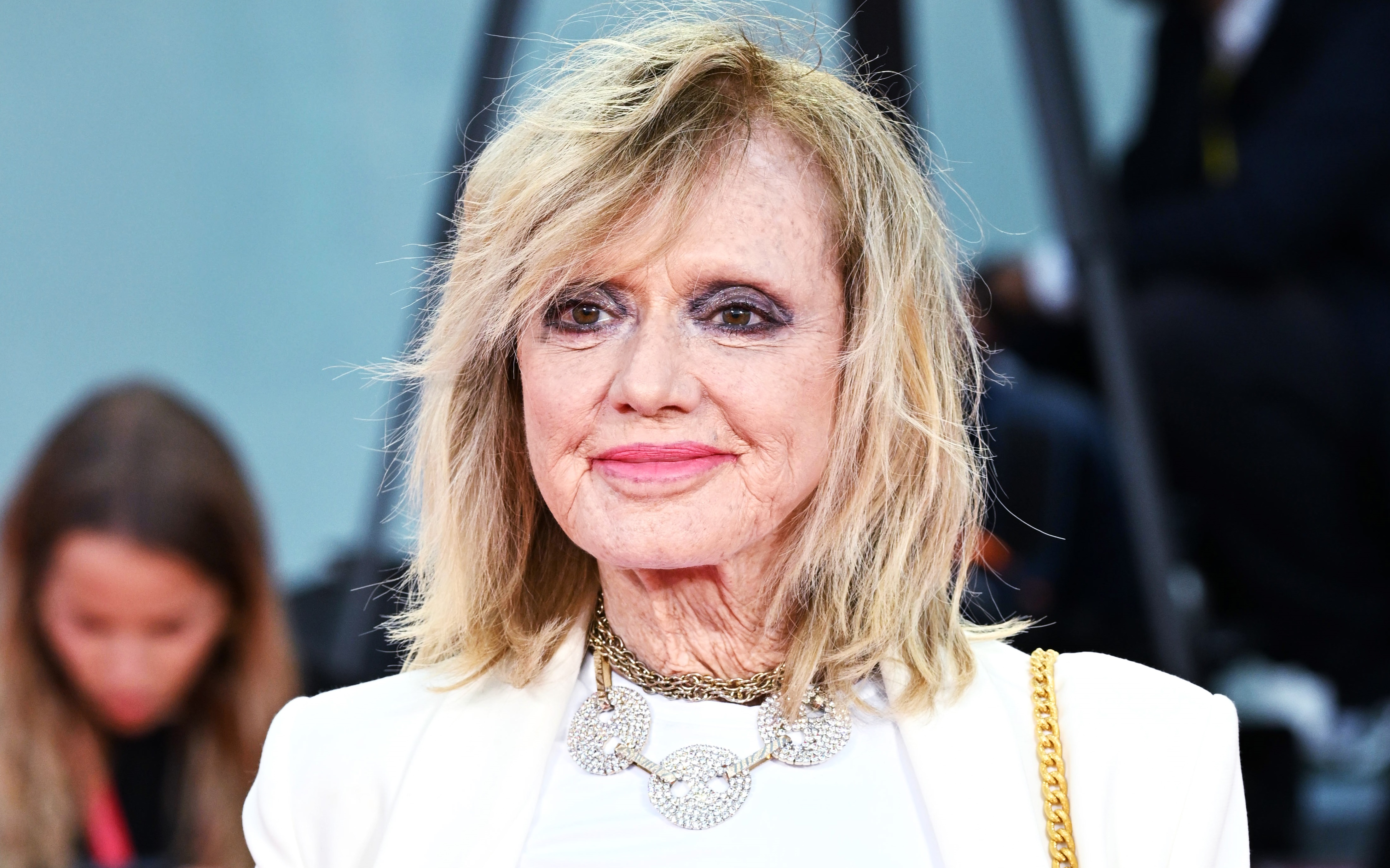
Rita Pavone’s story begins in a simple family context: her father worked at Fiat Mirafiori, her mother was a housewife, and she had three siblings. Growing up in the Borgo San Paolo neighborhood, she faced the challenges of body shaming from an early age, but found a way to redeem herself in music. After her first steps in Turin’s clubs, her breakthrough came in 1962 with her victory at the Festival degli sconosciuti in Ariccia, organized by Teddy Reno. That success opened the doors to RCA Italiana and an international career.
The Sixties: the Pavone phenomenon
The early 1960s marked the dizzying riseIn 1963, “The Ball Game,” “The Brick Dance,” “Heart,” and “Give Me a Hammer” transformed her into a phenomenon, selling millions of copies. Her image as a rebellious yet genuine girl made her one of the most beloved figures among young audiences.
In 1964, she achieved her breakthrough on television with the drama “Il giornalino di Gian Burrasca”, directed by Lina Wertmüller with music by Nino Rota: the song “Viva la pappa col pomodoro” became a generational anthem. In those same years, Umberto Eco cited her in Apocalyptic and integrated as an example of a pop icon, a sign of an impact that goes beyond the music.
 The international stage
Pavone’s career is not confined to Italy. In the United States he is a guest of theEd Sullivan Show and performed at Carnegie Hall in New York, introduced by Sullivan himself. In Europe, she conquered Germany, France, and the United Kingdom: the single Heart It reached number 12 in the British charts, while in France her collaboration with Claudio Baglioni earned her the success of “Bonjour la France” and access to the prestigious stage of the Olympia in Paris.
Private life and new challenges
In 1968, she married Teddy Reno, her mentor, with whom she had two children. The marriage, marked by controversy over the age difference and Reno’s personal issues, also affected her public image. Despite the challenges, Pavone continued to reinvent herself: from switching labels to experimenting with genres and collaborations, to an intense career in theater and television.
In the seventies and eighties he alternated successful shows, such as Rita and I e Hello Rita, to theatrical experiences alongside names like Macario and Carlo Dapporto. There are moments of crisis, but Pavone remains a constant face in the entertainment industry, also finding space in the South American and Brazilian markets.
From artistic maturity to retirement (and return)
In the 2006s and XNUMXs, he experimented with classical theater and collaborated with international artists. In XNUMX, he announced his retirement from the stage, only to return with new challenges: from the double album Master Degrees (2013) on tour Rita is Back! (2014), until the participation in dancing with the Stars in 2016, which saw her reach the final.
The 2020 Sanremo Festival marks a sensational return, 48 years after her last appearance on the Ariston stage, with the song “Niente (Resilienza 74),” written by her son Giorgio Merk. In recent years, she has served as a judge and coach on television programs, confirming her artistic vitality.
A career recognition
In 2025, on the occasion of her 80th birthday, Rita Pavone received the Lunezia Lifetime Achievement Award, awarded “for his ancient and contemporary ability to enhance musical-literary expression through interpretative genius and inexhaustible energy.” A tribute that underscores the artist’s ability to blend music, words, and emotion.
A story that continues
At eighty years old, Rita Pavone remains a cultural icon for generations. Her artistic career—full of global successes, difficult moments, and surprising comebacks—is a testament to the resilience and strength of a woman who has transformed every challenge into an opportunity.
Today, looking back at her career, we celebrate not just a singer, but a figure who has spanned the history of entertainment with an unmistakable voice and charisma.


:max_bytes(150000):strip_icc():focal(753x236:755x238):format(webp)/Pierce-Brosnan-Keely-Shaye-Smith-051024-5e7053baff3e4b979fb808b5b3bcd0ba.jpg?fit=750,500&ssl=1 "Pierce Brosnan and Wife Keely Shaye Brosnan: 15 Photos from the Early Days of Their Romance")



:max_bytes(150000):strip_icc():focal(753x271:755x273):format(webp)/cole-the-deaf-dog-112125-1a-ad248101bd174108a795d88d6afd93d8.jpg?fit=750,500&ssl=1 "Elementary School Throws Deaf Therapy Dog a Surprise Birthday Party as Students Learn Sign Language to Sing ‘Happy Birthday’")













:max_bytes(150000):strip_icc():focal(756x180:758x182)/Chad-Powers-GLEN-POWELL-PERRY-MATTFELD-Jennifer-Aniston-DavidSchwimmer-Ross-and-Rachel-Friends-3bf786e053894afcaedb0f167da60540.jpg?ssl=1 "Glen Powell Says Chad Powers Romance with Perry Mattfeld Is ‘Just Like’ Ross and Rachel in Friends (Exclusive)")
:max_bytes(150000):strip_icc():focal(870x339:872x341)/little-house-then-now-072423-tout-63f8bebf76304fa6a3eb856835994d97.jpg?ssl=1 "Where Is the Little House on the Prairie Cast Now?")


:max_bytes(150000):strip_icc():focal(748x261:750x263)/Alison-Arngrim-070826-c166c44650864085a7282b6a85a17e1d.jpg?ssl=1 "Alison Arngrim Says She Was Excited to ‘Snag the Villain Role’ on Little House, Felt a ‘Kismet Chemistry’ with Nellie (Exclusive)")
:max_bytes(150000):strip_icc():focal(999x0:1001x2)/ryan-reynolds-mayday-ny-premiere-090426-fa89d5352aa841208b777eeda01c45ec.jpg?ssl=1 "Ryan Reynolds Says He Doesn’t Like ‘Huge’ Birthday Parties Ahead of Turning 50: ‘I Get Enough Attention’ (Exclusive)")