Most independents say the U.S. shouldn’t have taken military action, along with a slice of Republicans, according to a national NBC News poll.
A majority of registered voters disapprove of how President Donald Trump is handling the situation in Iran and believe the U.S. shouldn’t have taken military action against the country, according to a new NBC News poll.
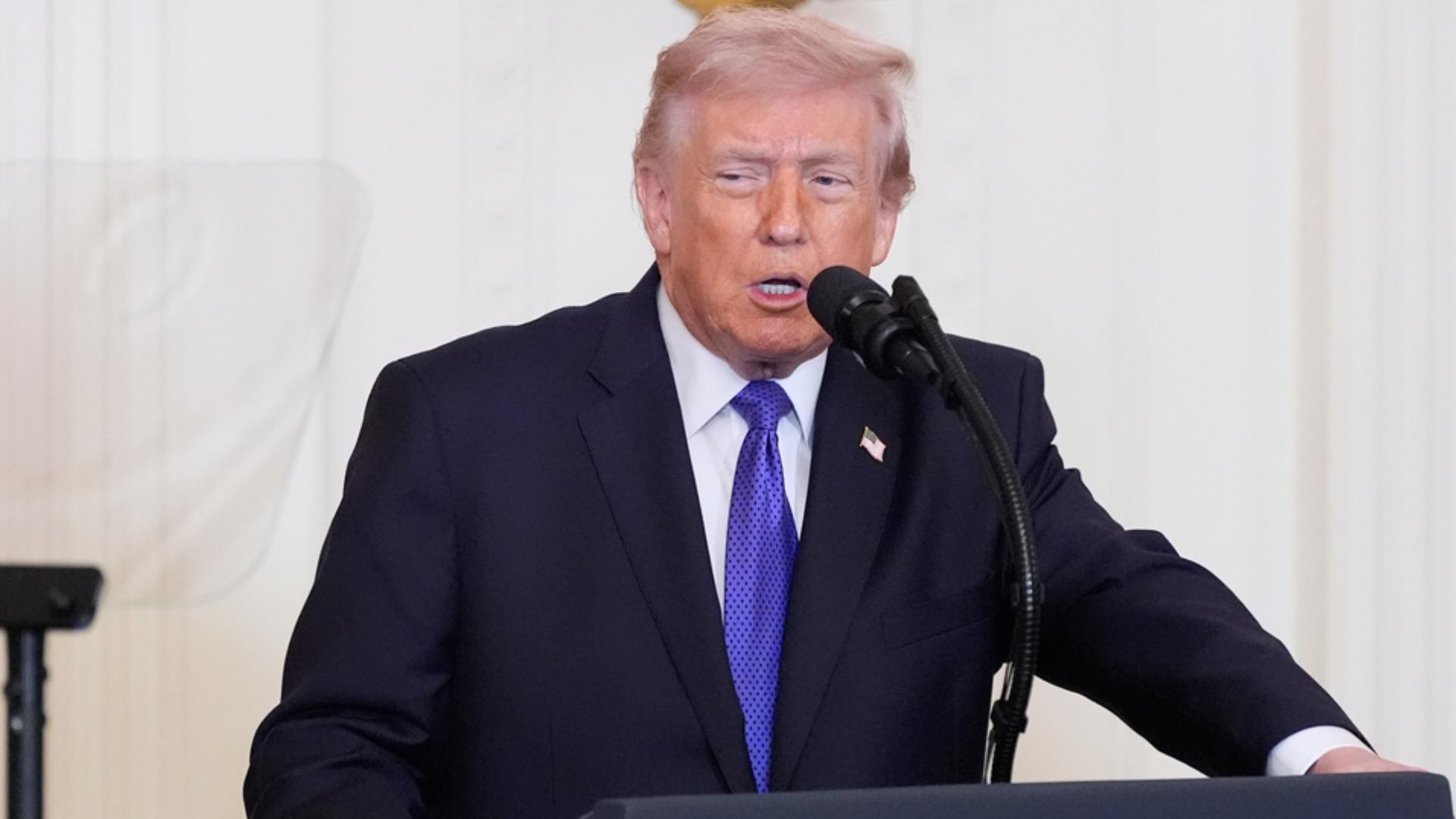
Though support for the White House is mostly polarized along party lines, a small but notable slice of Republicans is unhappy with the decision to launch a war in the Middle East. There was also a significant split between younger and older voters in the early days of the attacks.
Fifty-four percent of voters disapprove of Trump’s handling of Iran, compared with 41% who approve and 5% who say they either don’t have an opinion or aren’t sure. A similar share, 52%, say the U.S. should not have taken the military action, while 41% say it should have and 7% say they aren’t sure.
The poll is an initial snapshot of how American voters are digesting a major new military endeavor launched by a president who campaigned against past “endless wars” when he sought to return to the White House in 2024.
“This is a lower level of support than in most of the major military action that we’ve seen,” said Republican pollster Bill McInturff of Public Opinion Strategies, who conducted the poll with Democratic pollster Jeff Horwitt of Hart Research Associates.
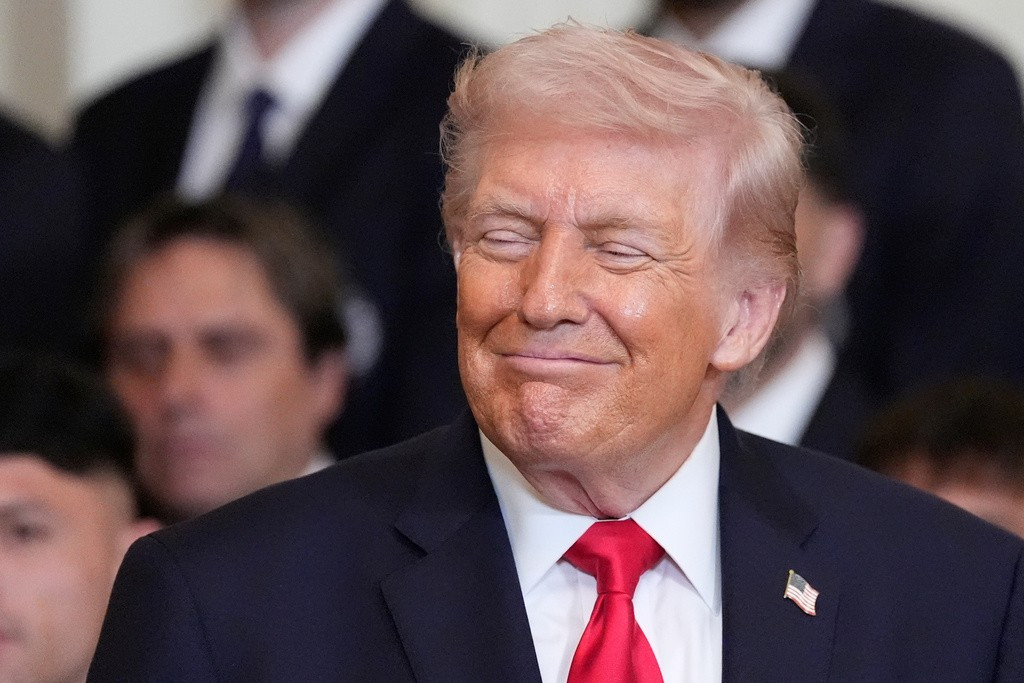
“Attitudes shift in this country based on results,” McInturff added. “Things could get worse if the results are worse, and things can certainly get better if there’s a stable, better outcome here.”
NBC News polling from early 2002 to early 2003 found majorities of Americans saying the U.S. should take military action to remove Saddam Hussein from power in Iraq.
In October 2001, during the early stages of strikes in Afghanistan in response to the 9/11 attacks, 87% said they supported President George W. Bush’s approach to the war on terrorism, and a similar percentage approved of the airstrikes against the Taliban in Afghanistan.
In both cases, public opinion flipped over the years, with a clear majority of Americans eventually saying the conflicts weren’t worth it.
The new survey first began testing sentiment about the Iran strikes on Saturday, hours after the U.S. government announced the beginning of its campaign, and it was in the field amid a series of important new developments — including the news that the strikes killed Iran’s supreme leader, Ayatollah Ali Khamenei, that six U.S. service members were killed, that Iran retaliated by launching strikes on U.S. allies in the region and that Americans are scrambling to get out of the Middle East..
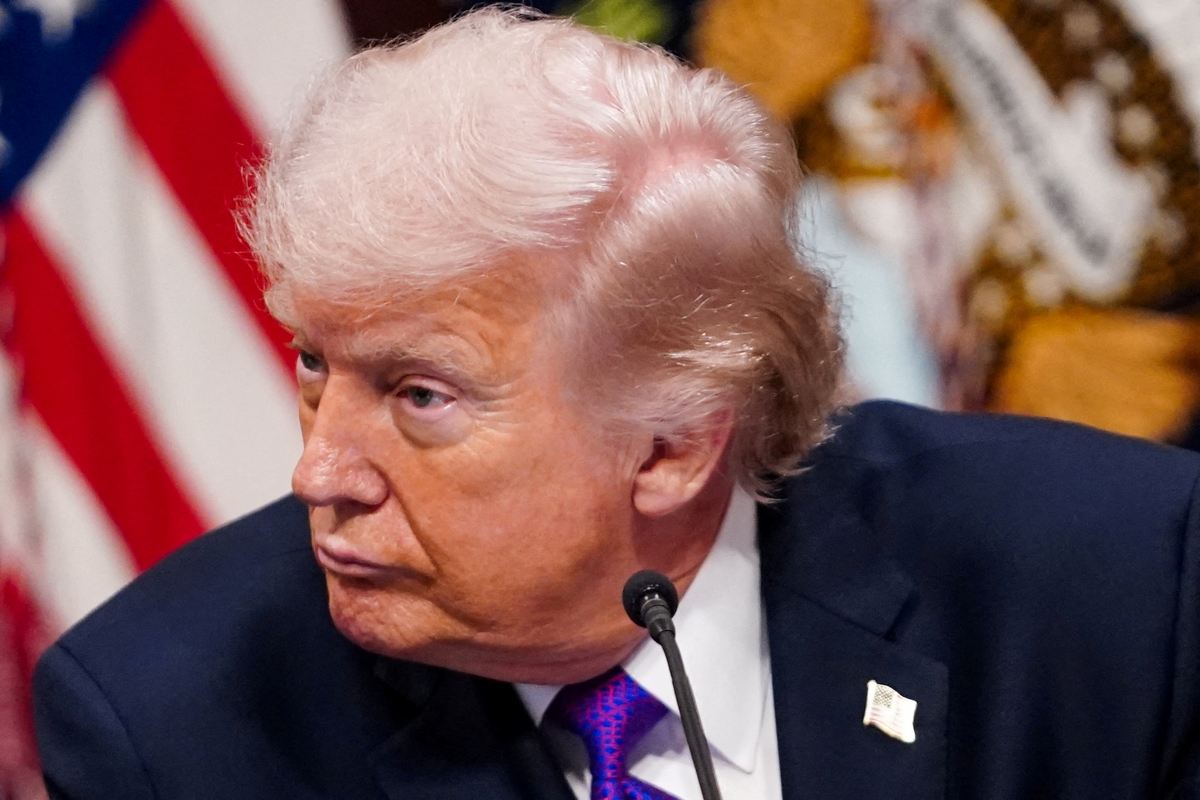
The Trump administration has signaled the strikes will continue to ramp up in the coming days, and more developments could bring additional shifts in public sentiment as Republicans and Democrats in Congress debate the implications and potential results of the U.S.’ undertaking its most significant military action in years.
Trump and his allies have argued that the strikes were essential to protect Americans from “imminent threats,” accusing Iran of seeking a nuclear weapon and saying they were unable to deter it through diplomatic negotiations. Many Democrats in Congress have blasted the move, castigating Trump for what they have framed as a war of choice, not necessity.
The results show clear, if expected, partisan polarization over the issue: An overwhelming majority of Democrats, 89%, say the U.S. shouldn’t have struck Iran. Among independents, 58% agree.
Republicans are overall more supportive of the strikes: 77% say the U.S. should have struck Iran, while 15% disagree. But there’s a significant divide between Republicans who consider themselves aligned with Trump’s Make America Great Again movement and those who don’t.
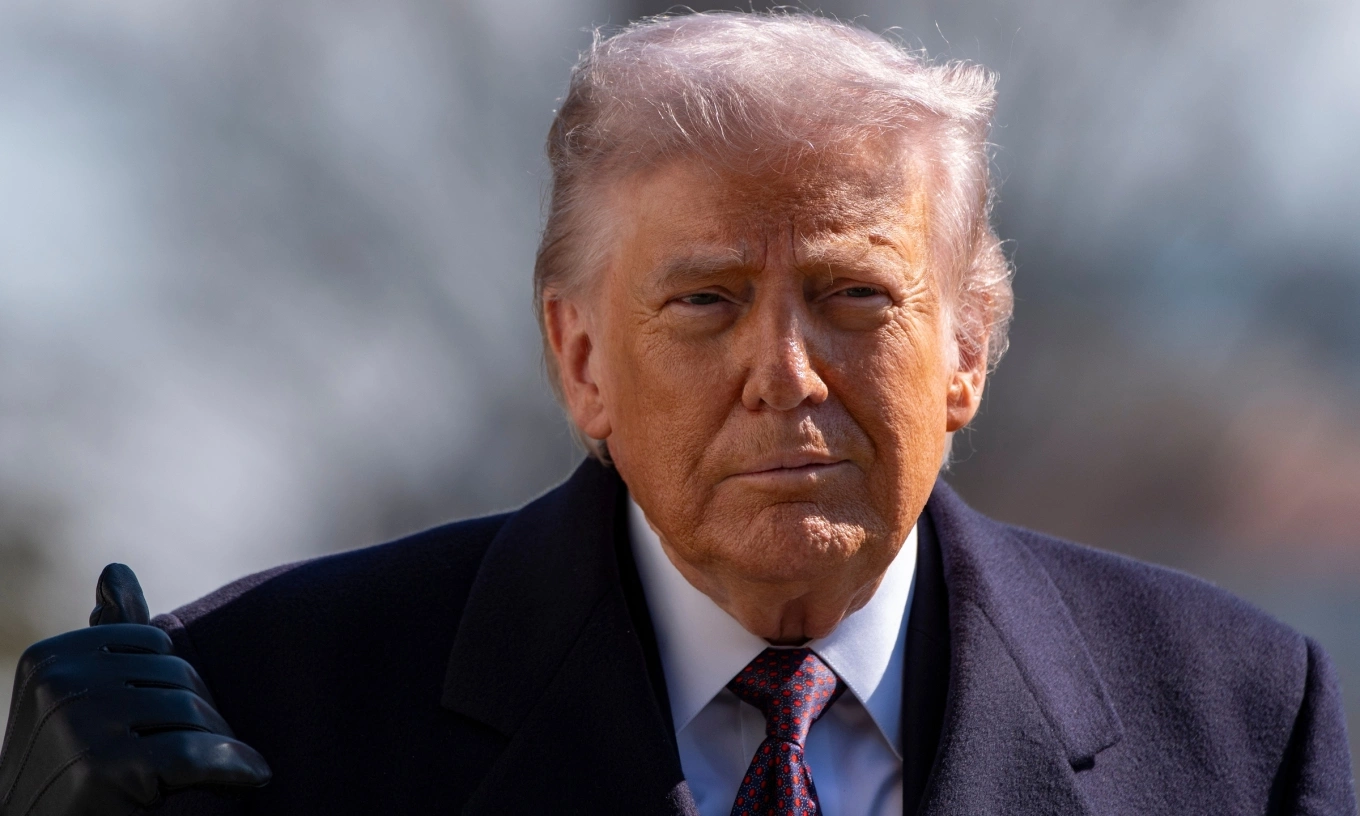
A full 90% of self-identified MAGA-aligned Republicans back the strikes, with just 5% saying they don’t think they should have been launched. But Republicans who don’t see themselves as part of MAGA are more divided, with 54% supporting the strikes and 36% against them.
Margins of error are larger for these smaller subgroups, but the results still point to significant differences between different parts of the party. Trump framed much of his 2024 presidential campaign around the idea of an “America First” approach to foreign policy deeply critical of past administrations that he claimed thrust the country into endless conflict around the globe. Now, the Republican base is wrestling with the new conflict.
McInturff said the divide within the GOP was an important reminder about both the loyalty of Trump’s base and the part of the party that’s “softer” on him.
“The self-identified MAGA Republicans are incredibly supportive of Trump, and that political base has so far been unshaken — and so far, surely, has been unshaken to date about military action in Iran,” he said.
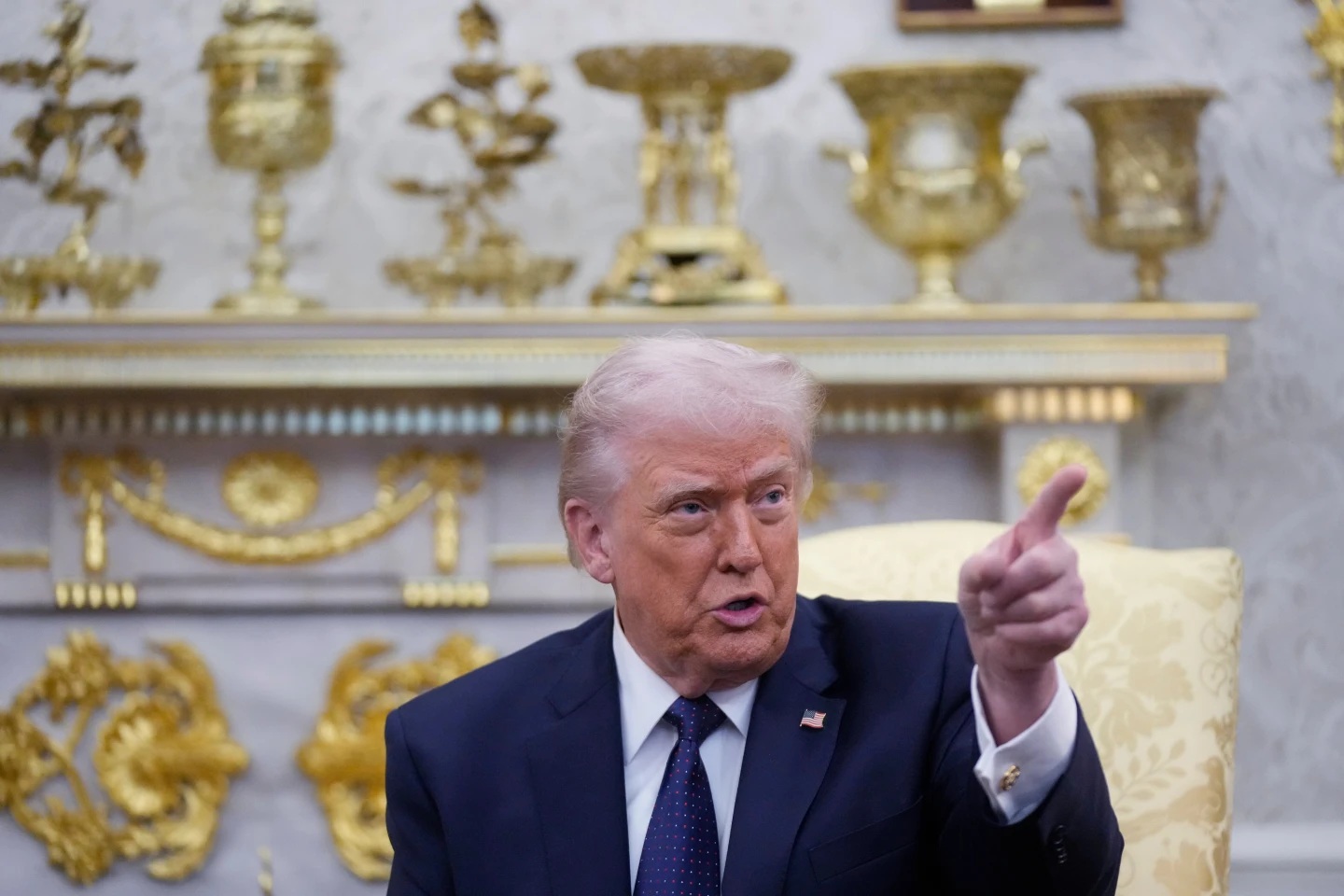
Last June’s NBC News Decision Desk Poll found a similar split when it tested Trump’s last major military action against Iran. Though there was some concern about that bombing campaign among prominent MAGA-aligned figures, that poll of adults in the U.S., including voters and nonvoters, showed rank-and-file MAGA-aligned Republicans were largely in favor of Trump’s military action last year. Meanwhile, those who identified themselves more as institutional Republicans were still supportive, but by a smaller margin.
The new NBC News poll also found a deep divide over the Iran war by age, with younger voters far more sour on the strikes than older voters.
Two-thirds of voters under 35 say the U.S. shouldn’t have struck Iran, a sentiment shared by 53% of those ages 35 to 49. A slim majority, 52%, of those 50 to 64 support the strikes, while those 65 and older are split.
There is also an educational divide in the survey — an increasingly common feature of polarized American politics. Voters without college degrees are about evenly split over the strikes, while those with bachelor’s or postgraduate degrees overwhelmingly believe the U.S. shouldn’t have struck Iran.
And there is a significant gender divide, with 60% of women saying the U.S. shouldn’t have taken military action, compared with 52% of men who believe it should have.
Negative public sentiment about the military action isn’t driven by any warm feelings for Iran. Overall, 61% of registered voters view Iran negatively, while just 8% have positive views of it. Another 28% view Iran neutrally.
Conversations with voters in St. Joseph, Michigan, on Wednesday shed some additional light on how Americans, particularly those who have supported Trump in the past, are processing the early days of the war.
William Miskiewicz, 65, a retired police officer, said that “we backed up Israel” and that it was important for America to be “loyal to our friends.”
“I’m in favor of anything the president does, because I support the president,” he said, adding he thinks people are too focused on their personal bottom lines and things like gas prices instead of “what it is you’re willing to contribute to help your country.”
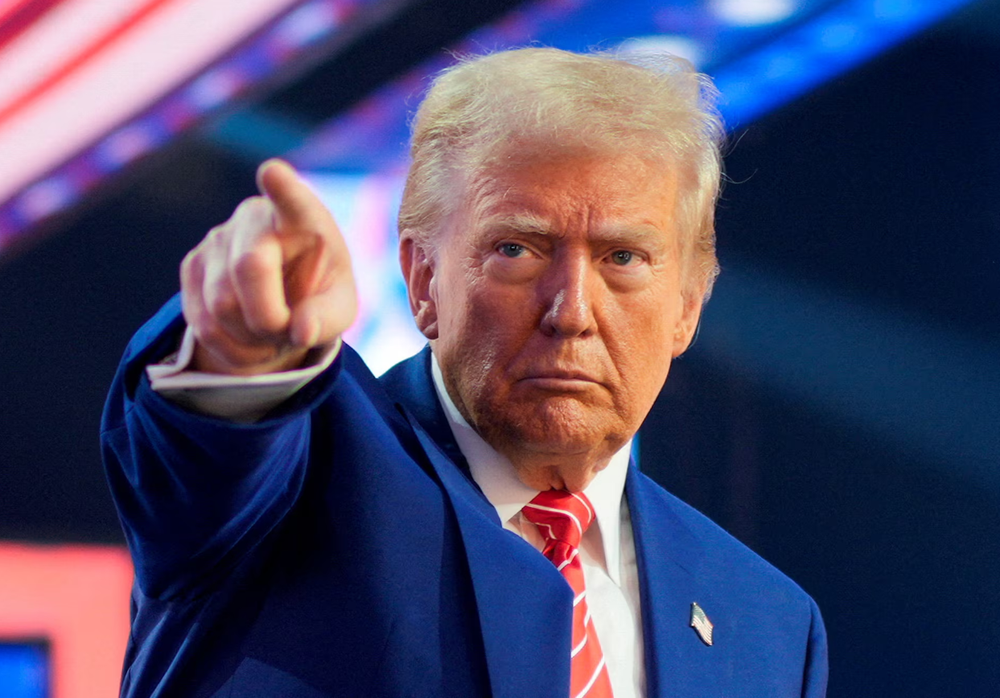
But Vincent Nemethy, 62, an artist who said he had previously voted for Trump, said he didn’t support the strikes because he thinks the U.S. should “step back” and “worry about our own people.”
“He said he was going to try to get out of wars, but he put us in it. He’s not putting himself in it; he’s putting other people. We’ve already lost casualties,” he said, adding that while he doesn’t regret having voted for Trump, “some of the things he’s doing [are] not up to my standards.”
Linda Coleman, 75, a retiree who didn’t support Trump in 2024, was deeply critical of him and the strikes.
“I just don’t think it’s our war. I don’t think we were in imminent danger with Iran. We already bombed them once,” she said.
“I feel bad for the Middle East, I feel bad for those people, [but] what can we do to fix it?” she added. “Are we going to fix it? Are we going to lose more young men?”

President Trump Faces Domestic Tensions
U.S. President Donald Trump has replaced the Secretary of Homeland Security amid rising frustration from numerous politicians, while simultaneously facing lawsuits from dozens of states over tariff policies.
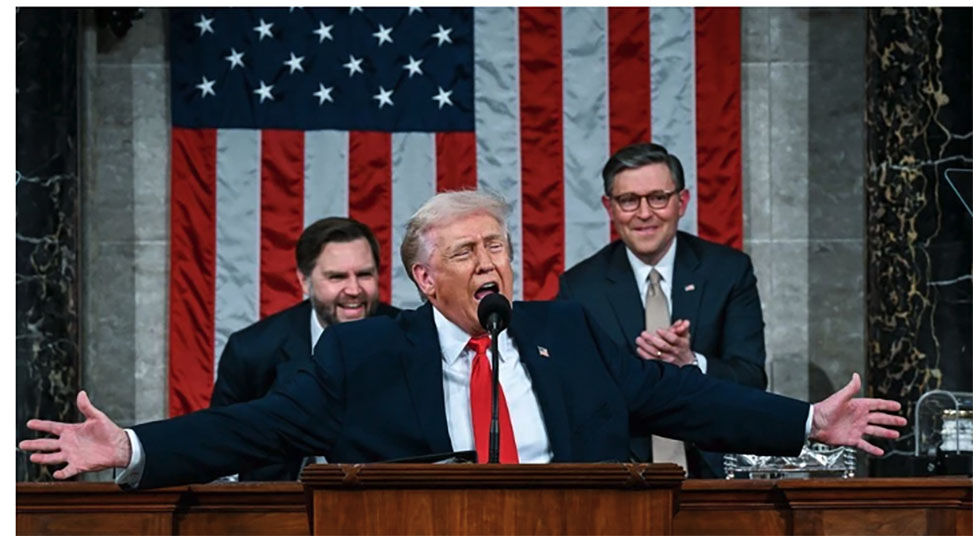
Replacing the Secretary
President Trump stated on March 5 that he decided to replace Secretary of Homeland Security Kristi Noem and nominated Senator Markwayne Mullin to hold this position. Writing on the Truth Social network, Mr. Trump thanked Ms. Noem for “achieving many great and impressive results (especially in the border region)” and noted she would transition to a role as a special envoy for a new U.S. security initiative in the Western Hemisphere, while Mr. Mullin will take office on March 31.

President Trump Faces Domestic Tensions – Photo 1. Mr. Trump and Ms. Noem at the White House on November 17, 2025. Photo: Reuters
Ms. Noem was selected by President Trump to lead the U.S. Department of Homeland Security (DHS) right at the start of his term. However, according to CNN, she became increasingly entangled in numerous allegations, including suspicions regarding a romantic relationship with a chief advisor, the allocation of the department’s large budget, alongside conflicting reports of fatal incidents involving federal immigration agents. Support from Republican senators for Ms. Noem further declined following her hearing before the Senate Judiciary Committee on March 3. “What we witnessed under her leadership was a disaster,” Senator Thom Tillis criticized.
According to The Hill, the “last straw” came when Ms. Noem asserted at the hearing that President Trump had approved a $220 million DHS plan to promote her role. Speaking to Reuters, President Trump said that he knew nothing about this plan. She stated that she had organized a bidding process, but Senator John Kennedy contended that she had appointed a company founded just 11 days prior.
Tariffs Under Lawsuit
Another tense issue Mr. Trump faces is the announcement by 24 states of a lawsuit aimed at blocking the latest round of tariffs he announced on February 21. Recently, the White House has been planning to impose a new 15% tariff rate on all imports, based on a different statute, after the U.S. Supreme Court declared previous tariff levels illegal.
The lawsuit, led by New York Attorney General Letitia James, argues that Mr. Trump does not have the authority to impose these tariffs, while simultaneously demanding the reimbursement of tariff costs to the states. “Once again, President Trump is ignoring the law and the Constitution to effectively raise taxes on consumers and small businesses… These tariffs will only cause the cost of living to rise,” The Guardian quoted Ms. James as saying.
White House spokesperson Kush Desai stated that the administration “will vigorously defend the president’s actions in court.” “The President is using authority granted by Congress to address fundamental issues in international payments and handle our country’s large and serious balance of payments deficits,” he asserted.
U.S. Formally Blacklists Anthropic
AFP reported on March 6 that the Pentagon has officially notified Anthropic that the company and its artificial intelligence (AI) products have been classified as posing a supply chain risk. This is the first American company to be placed on a list that previously only included companies from countries competing with the U.S. Consequently, the Pentagon’s defense suppliers and contractors will have to certify that they do not use Anthropic’s Claude models. Anthropic declared it would challenge the move in court. Previously, Anthropic adamantly refused to allow its technology to appear in mass surveillance systems or fully autonomous weapons, which drew the ire of Secretary of Defense Pete Hegseth.
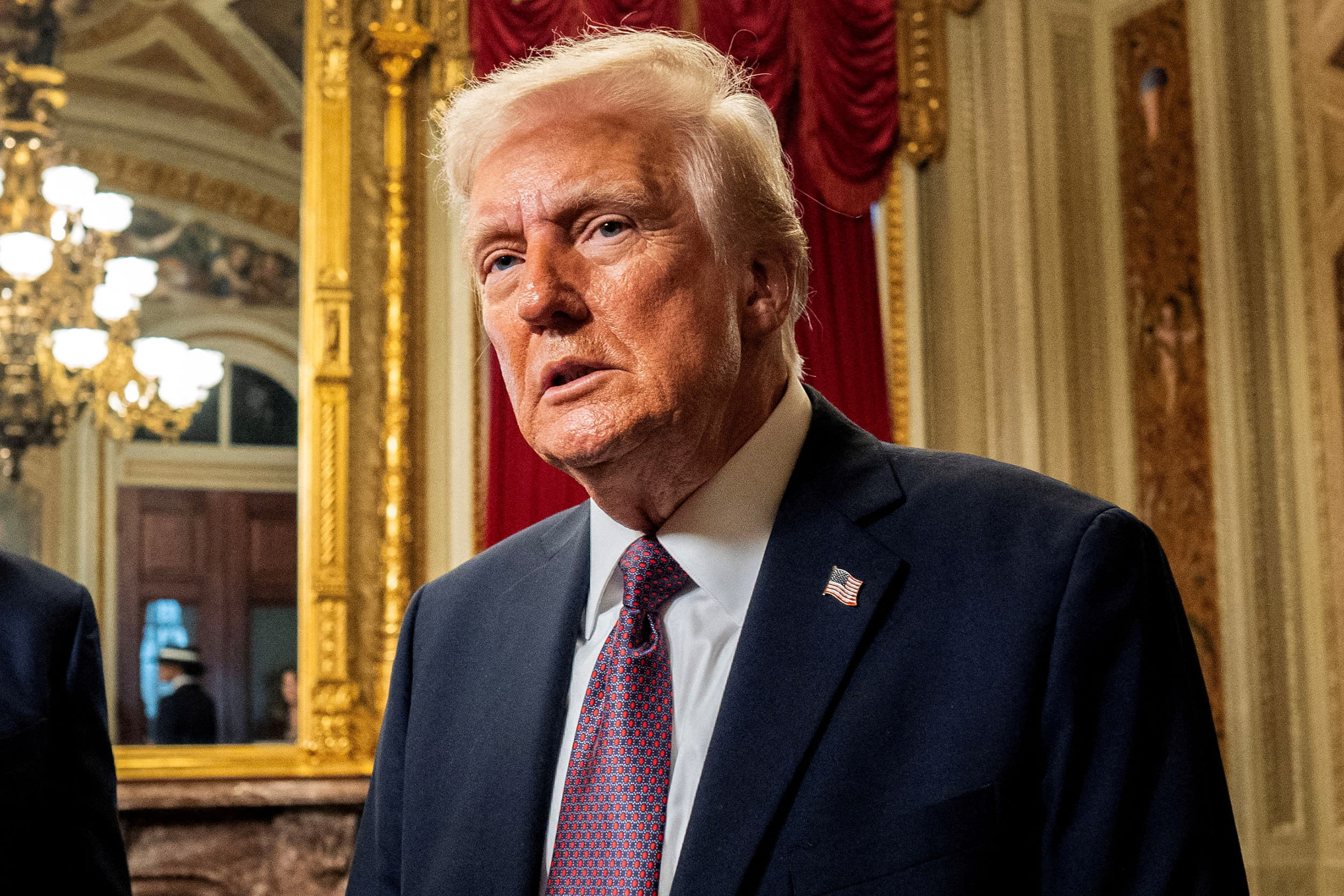
Day 7 of Middle East conflict — Trump says no deal with Iran until ‘unconditional surrender’
Trump told CNN he is not worried whether Iran becomes a democratic state. UN Secretary-General António Guterres warns war “could spiral beyond anyone’s control.”

What we covered
• Strikes on Iran: The Israeli military announced that it was carrying out a new wave of attacks on Tehran, a week into a war that has roiled the Middle East. The Iranian capital’s Mehrabad Airport was seen on fire, video showed.
• Facing retaliation: Gulf nations continue to fend off retaliatory strikes, with Saudi Arabia and Dubai reporting they intercepted attacks Saturday morning.
• Trump’s terms: US Central Command said the US military struck more than 3,000 targets inside Iran since the US-Israeli joint attack last weekend. US President Donald Trump raised the stakes on Friday, saying there will be no deal with Iran until an “unconditional surrender.”
• Kurds targeted: Since it was revealed that the CIA was working to arm Iranian Kurdish groups, their camps have been targeted by drones and missiles. CNN visits one camp in northern Iraq to hear from the residents.
Analysis suggests US was responsible for deadly strike on Iranian elementary school

The United States military was likely responsible for the strike on an elementary school in southern Iran that killed scores of children, the deadliest incident of civilian casualties in the US and Israel’s almost week-long war with Iran, according to CNN and expert analysis of evidence.
Satellite imagery, geolocated videos, public statements from US officials and the assessment of munitions experts suggest that the Shajare Tayyiba elementary school in Minab was hit on February 28 at around the same time as an attack that American forces likely carried out on a neighboring Islamic Revolutionary Guard Corps (IRGC) naval base.
The White House has not ruled out that US military personnel carried out the strike that, according to Iranian state media, killed at least 168 children and 14 teachers. An Israel Defense Forces (IDF) spokesman said at a briefing Friday that he was “not aware of any IDF activity in the area.” Both countries stressed that they do not target civilians.
When assessing which military is responsible for a particular strike – in any conflict – CNN typically obtains images of the remnants of the weapons used in the attack and provides these to munitions experts so that their provenance can be assessed.
With Iran’s internet blackout, images and footage from the ground are limited. CNN has not been able to examine such evidence in this case, so any assessment cannot be conclusive.
However, other evidence points toward US responsibility for the strike, which occurred Saturday morning – the first day of the working and school week in Iran. Videos geolocated by CNN show that the school was struck at or around the same time as the naval base, with one showing smoke billowing both from the IRGC facility and the school building.
Satellite imagery from 2013 showed that the school and the IRGC base were once part of the same compound. But images from 2016 revealed that a fence had been erected to separate the school from the rest of the base, and that a separate entrance to the school had been built. In December 2025, imagery showed dozens of people in the school’s courtyard, apparently playing in what appears to be a court for ballgames.
:max_bytes(150000):strip_icc():focal(758x425:760x427)/Funeral-Iran-Minab-2026-030626-805bccf6144d4ba19405aa84c943dc92.jpg)
However, other evidence points toward US responsibility for the strike, which occurred Saturday morning – the first day of the working and school week in Iran. Videos geolocated by CNN show that the school was struck at or around the same time as the naval base, with one showing smoke billowing both from the IRGC facility and the school building.
Satellite imagery from 2013 showed that the school and the IRGC base were once part of the same compound. But images from 2016 revealed that a fence had been erected to separate the school from the rest of the base, and that a separate entrance to the school had been built. In December 2025, imagery showed dozens of people in the school’s courtyard, apparently playing in what appears to be a court for ballgames.
N.R. Jenzen-Jones, a munitions expert and the director of Armament Research Services (ARES), told CNN that the satellite imagery and videos “paint a picture of multiple simultaneous or near-simultaneous strikes” hitting both the IRGC compound and the school.
Initially, speculation swirled online that the blast at the school could have been caused by misfiring Iranian air defenses, as the IRGC tried to repel incoming air strikes.
But Jenzen-Jones said that explanation was unlikely, since recent imagery of the naval base showed the buildings had sustained significant damage, suggesting they had been struck with air-delivered precision-guided munitions, rather than “air defense missiles that have gone awry.”
“We’re seeing targeted strikes that look like they’re intended to disable those buildings. That’s the most likely outcome,” he added.
Jenzen-Jones also said that military bases such as the one at Minab would often be among the “pre-planned targets” to be struck in the opening exchanges of a conflict.
US officials have confirmed that the US has struck military targets in southern Iran. In a briefing Wednesday, Gen. Dan Caine, chair of the Joint Chiefs of Staff, presented a map that plotted American and Israeli strikes on Iran over the first 100 hours of the war. He said Israel had mostly struck northern Iran while the US had targeted the south.
Caine said that along Iran’s “southern axis,” the US has “continued to provide pressure from the sea, along the southeastern side of the coast, and has been attriting naval capability all along the Strait and up into the Arabian Gulf at a size and scale sufficiently to address the targets required.”
The most likely explanation for the school strike, Jenzen-Jones said, is that the US inadvertently struck the facility while it was carrying out the attack on the naval base, not realizing that the school was no longer part of the IRGC compound, or having failed to update its targeting officers.
“It’s probably a targeting failure,” he said. “Somewhere in the target cycle, an intelligence failure meant that the target set wasn’t updated, or a decision was made later in the cycle that resulted in the wrong target being hit.”

US officials have neither confirmed nor denied responsibility.
Asked for comment on the incident, the US Defense Department referred CNN to Central Command. CENTCOM told CNN that “it would be inappropriate to comment given the incident is under investigation.”
CENTCOM had previously said that it was “aware of reports concerning civilian harm resulting from ongoing military operations” and was “looking into them.” Defense Secretary Pete Hegseth said Wednesday that an investigation had been launched.
Although the probe is ongoing and a conclusion has not yet been reached, Reuters reported Friday that US military investigators believe it is likely that US forces were responsible for the strike on the school.
Volker Türk, the United Nations human rights chief, said Friday that the UN has “significant concerns” about whether the strikes complied with international humanitarian law.
Ravina Shamdasani, a UN spokeswoman, told CNN the strike “must not become just another horrific incident that leaves the headlines and is no longer a priority. There needs to be accountability.”




:max_bytes(150000):strip_icc():focal(753x271:755x273):format(webp)/cole-the-deaf-dog-112125-1a-ad248101bd174108a795d88d6afd93d8.jpg?fit=750,500&ssl=1 "Elementary School Throws Deaf Therapy Dog a Surprise Birthday Party as Students Learn Sign Language to Sing ‘Happy Birthday’")