
When a doggy daycare celebrated a Shih Tzu’s “birthday” with hats and a song, her owners were amused—and a little confused—because the pup’s real birthday wasn’t for months.
While owner Caitria Sands was away on a work trip, she received a message from her fiancé with an update on their Shih Tzu, Luna, at doggy daycare. The texts included photos and a video of Luna wearing a party hat as staff sang “Happy Birthday” to her. The couple quickly grew confused, as no other dogs were wearing hats, and Luna’s birthday isn’t until July.
In a February 11 TikTok video posted to the account @caitriasands, Sands shared the exchange between her and her fiancé as they laughed about the birthday mix-up. In one message, Sands joked: “Even poor Luna is confused.”
The couple didn’t know how to break the news to the daycare, especially after they put in the effort. Part of the caption reads: “I hate to tell them Luna’s Birthday is in July…”
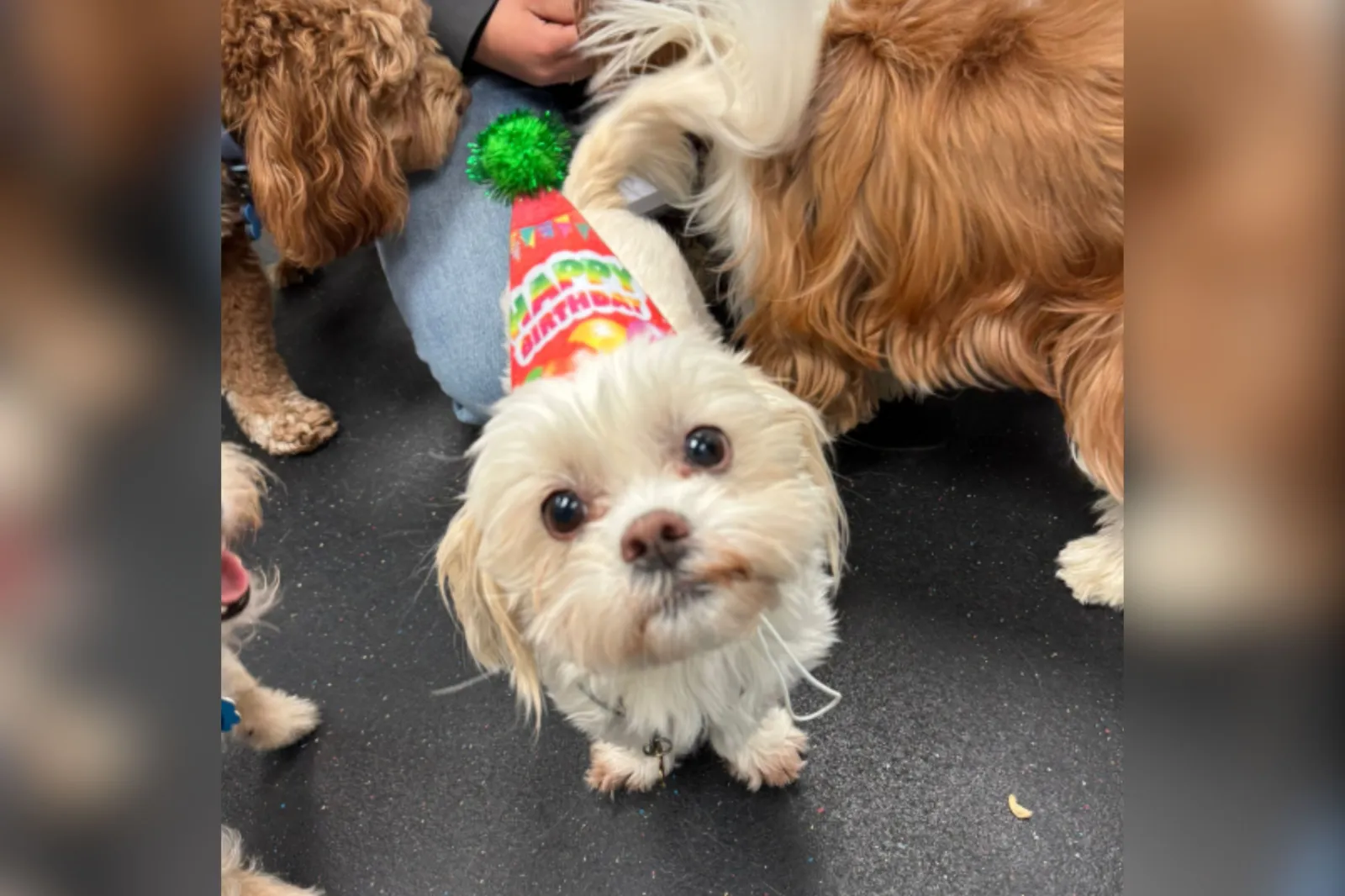
In a follow-up post, Sands shared the full video of the staff singing. Luna had no idea how to respond, but looked at them with appreciation before slowly backing away. She was done with the attention for the day.
TikTok viewers were quick to find the mix-up hilarious, with the clip racking up more than 59,000 views, 14,400 likes and dozens of amused comments as of Tuesday.
“Omg!!!! She’s so confused & looks so sweet,” wrote one user, while another commented what was likely going through Luna’s mind: “Luna: mom get me out of here.”
Newsweek reached out to Sands via TikTok for additional information and comment.
Birthday Celebrations For Pets
While Luna’s daycare may have jumped the gun on the celebration, the gesture isn’t unusual. Pet birthdays have become increasingly popular among owners, with 81 percent celebrating the occasion or “gotcha days,” according to a PetSmart survey. Gen Z, in particular, are fans of the pet celebration, with 52 percent buying presents each year, Newsweek previously reported.
According to guidance from the American Kennel Club (AKC), birthday celebrations can be as simple or elaborate as a pet’s personality allows. Some dogs may prefer one-on-one quality time, like a long sniff walk, a hike, or a cozy movie night with their owners, while more social pups might enjoy a small dog-friendly birthday party with familiar friends and family.
For owners who want to mark the day at home, experts suggest creating a pet-safe celebration with dog-friendly treats, a homemade or store-bought dog birthday cake, and new toys or enrichment games. The AKC notes that activities like hide-and-seek, treat hunts, and interactive play can make the day feel special while keeping pets mentally stimulated.
And for those wanting to go out with festive touches, consider including themed decorations, birthday party hats and a special bandana for the guest of honor. The AKC emphasizes using pet-friendly ingredients for any food-focused celebrations.
Seven At-Home Tests You Can Do to See How Smart Your Dog Is
A new dog IQ challenge offers pet owners a way to measure their dogs’ intelligence through a series of simple at-home tests designed to assess memory, problem-solving and reasoning skills.
Created by Omni Calculator, the challenge draws heavily from methods developed by psychologist and canine intelligence researcher Stanley Coren, whose work helped popularize the idea that dogs can be evaluated through structured cognitive testing.
Coren told Newsweek via email that he recognized much of the challenge immediately, saying that the seven tasks are “variations on the 12 test battery” included in early editions of his book, The Intelligence of Dogs. Coren noted that the main difference lies in how Omni Calculator scores the tests.
“Variations of these tests have been adopted by a number of laboratories looking at canine cognition, and the rankings of canine intelligence have been replicated by several laboratories using these and other tests,” he said.
Coren designed the test for owners to challenge their dogs at home, with the hope that, at some point, someone would develop a database on how dogs think.
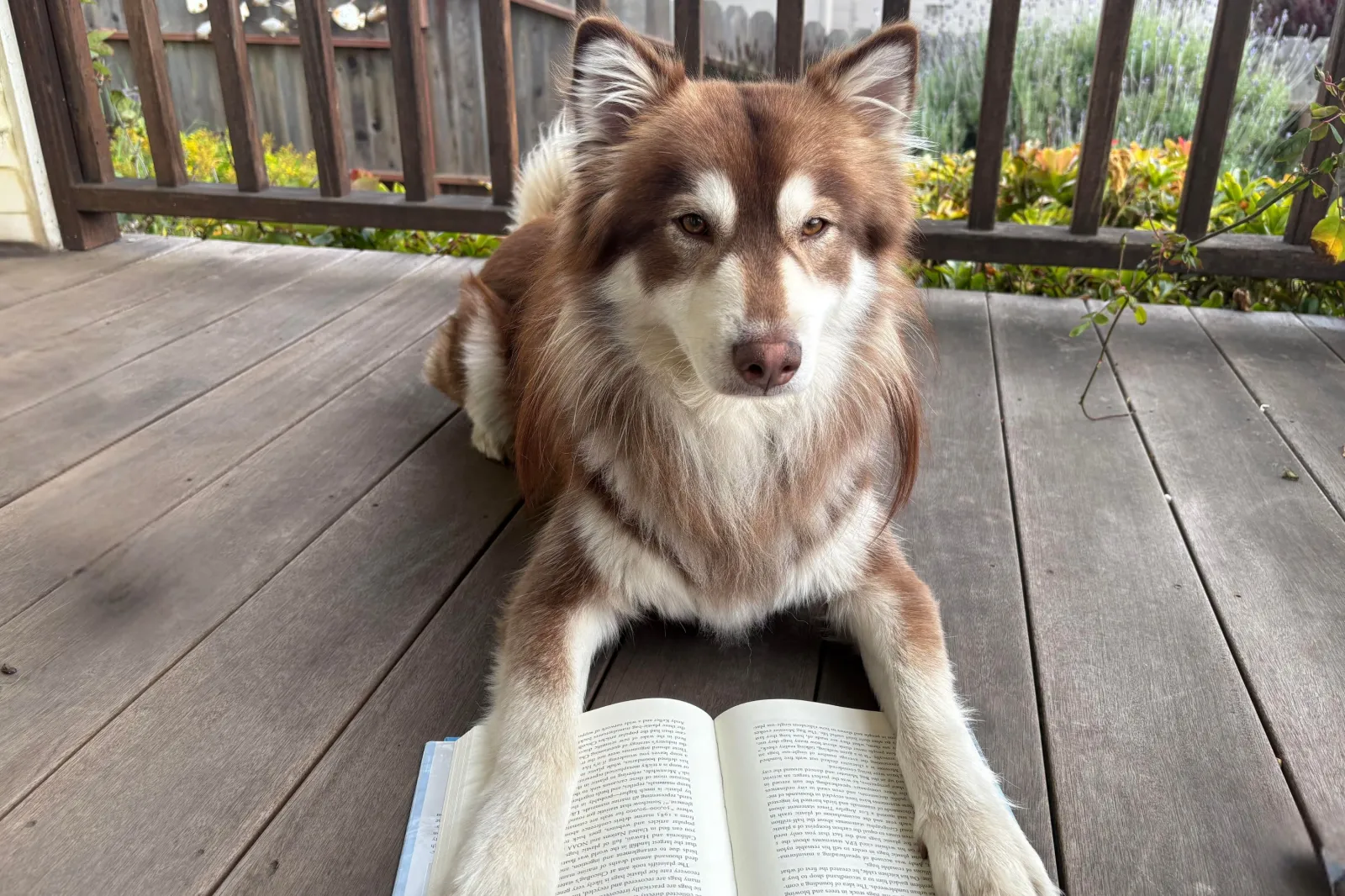
While the concept of a dog IQ test has gained traction online, Dr. Rebecca Greenstein, veterinary medical adviser at Rover.com, cautions that results should be taken lightly. She told Newsweek that different dogs have different strengths, motivations and forms of intelligence.
She said the challenge provides owners with a reasonable cross-section of cognitive skills to test, but advises against placing too much importance on the results. Still, I couldn’t resist signing up my own dog, Nacho, for the challenge.
He’s a 2-year-old husky-Australian shepherd mix, so I was curious to see how his blend of high energy and working-dog instincts would translate into performance.
The interactive assessment breaks intelligence down into a series of short challenges, each scored on a point system depending on how quickly and effectively a dog completes the task. Scores are then combined to give an overall category, ranging from top-tier “dog genius” to more average—but still very capable—results.
The first challenge focused on problem-solving. With a light towel placed over his head, Nacho needed to figure out how to free himself. He immediately moved his head side to side before looking down and letting the towel slip off. He earned five points, the highest score for each test, for completing the task under 15 seconds.
Next came object permanence, where Nacho watched as a treat was hidden under a towel before being given the chance to retrieve it. I thought he would master this, as he sniffed in the right spot. However, Nacho continued to sniff without attempting to get the treat out. He eventually figured it out, but he received three points because of his timing.
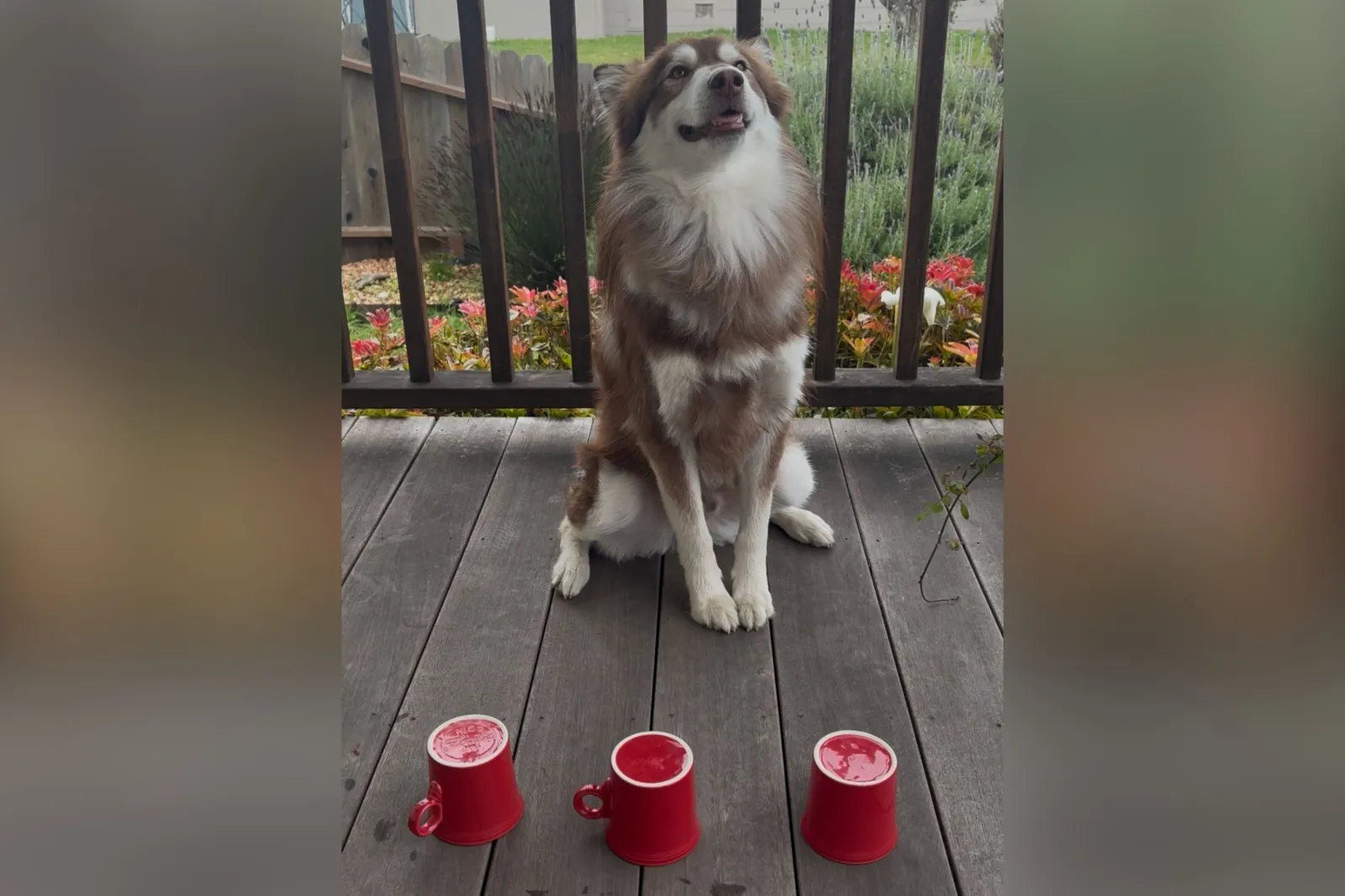
For the short-term memory test, a treat was hidden under one of three cups before Nacho was briefly led away and brought back to make his choice. Again, three points. He did not immediately go to the correct cup and instead took a quick whiff of all three. Perhaps it was my fault for using heavy cups.
The spatial awareness task proved slightly more complex, requiring Nacho to navigate around a barrier to reach a visible treat rather than trying to go through it. Nacho had no issue with the challenge, scoring a perfect five out of five.
Reasoning was tested by sliding a treat under furniture where only a dog’s paw could reach. Points are awarded on how a dog adjusts its approach to retrieving the treat. For Nacho, he understood treats were under the stand, but he tried using his mouth first before switching to his paws. This earned him three points.
The auditory skills test examined how well Nacho could distinguish his name from a random word spoken in the same tone. I started by saying “flower” in the same tone I use to call his name. Three seconds later, I said his name. He scored five points as he remained relaxed when I said “flower” and came running the moment he heard his name.
Finally, the memory test looked at whether Nacho associated familiar sounds—like the jingle of keys—with leaving the house. I picked up the car keys and slightly moved them, which immediately caught Nacho’s attention and gave him five points. He came running from the other room, fully prepared to join the trip no matter where I was headed. He never cares, just as long as he’s involved.
What the Results Show
After completing all seven tests, Nacho’s scores painted a picture that felt both accurate and slightly unfair, depending on how you look at it. The inconsistency was 100 percent my fault. I did test him right around his dinnertime, which probably didn’t help his focus much.
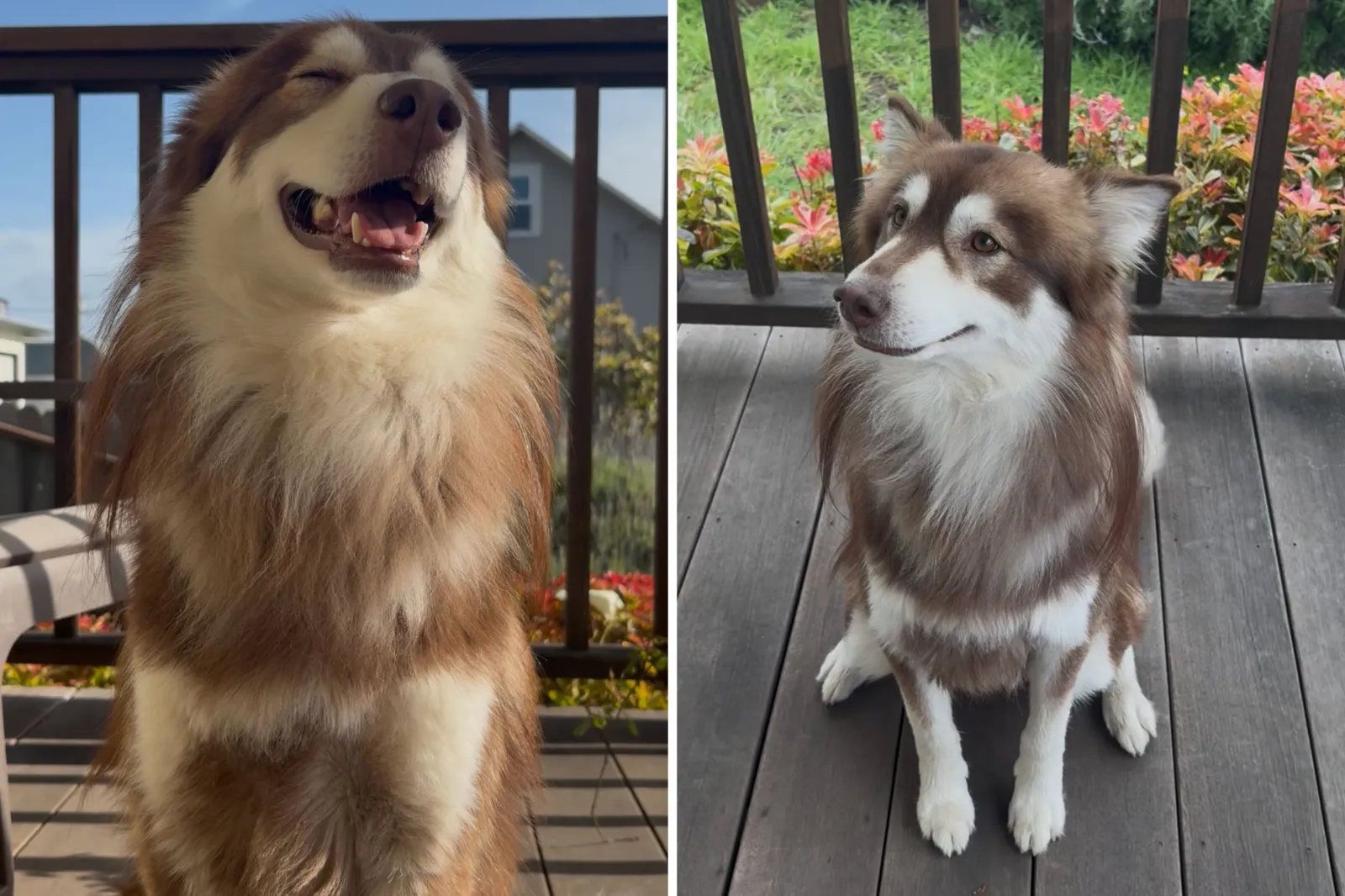
Still, he managed to impress in a few of the challenges and earned himself the “honor student” rank, meaning he is considered “very bright and highly trainable.” He just may need a little more focus.
While the challenge offers a fun glimpse into canine cognition, it also highlights how differently intelligence can present across dogs. Greenstein noted that breed, age, training and environment can influence how a dog performs.
“A senior dog may appear slower or less interested, but that doesn’t make them less intelligent,” she said.
She added that exercises like these can still serve as valuable forms of cognitive enrichment, helping strengthen the bond between dogs and their owners.
“At their best, these exercises are engaging, and most dogs really enjoy them,” she said.
As for Nacho, he may not be a certified canine genius just yet. But he did score a perfect 10/10 on the only category that really matters: being a good boy.


:max_bytes(150000):strip_icc():focal(736x185:738x187):format(webp)/abandoned-puppies-01-021126-de716b3fef81415bb0669b390e8abddd.jpg?fit=750,500&ssl=1 "Virginia Animal Shelter Appeals for Help After Finding 8 Abandoned Puppies in a Box ‘With No Air Holes’")

:max_bytes(150000):strip_icc():focal(730x287:732x289):format(webp)/pets-fourth-of-july-070224-tout-1a24b24fc8594a3abee0c227852a3988.jpg?fit=750,500&ssl=1 "8 Ways to Keep Your Pet Safe on July 4th, According to an Expert")
:max_bytes(150000):strip_icc():focal(539x0:541x2)/Stray-Dog-Gets-Unicorn-sisu2-49aa7f345b004fb3bfa19c84c025a1c7.jpg?fit=1080,1080&ssl=1 "Stray Dog Who Kept Trying to Steal Unicorn Toy from Shop Gets Rescue and the Toy")



:max_bytes(150000):strip_icc():focal(753x271:755x273):format(webp)/cole-the-deaf-dog-112125-1a-ad248101bd174108a795d88d6afd93d8.jpg?fit=750,500&ssl=1 "Elementary School Throws Deaf Therapy Dog a Surprise Birthday Party as Students Learn Sign Language to Sing ‘Happy Birthday’")





:max_bytes(150000):strip_icc():focal(201x247:203x249):format(webp)/Jason-Knauf-Kate-Middleton-King-Charles-phone-call-022325-ef97ad5b6c4a4fb4a46abe5e822a8312.jpg?fit=750,500&ssl=1 "Prince William’s Former Aide Reveals Devastating Phone Call After Kate Middleton and King Charles’ Cancer Diagnoses")


