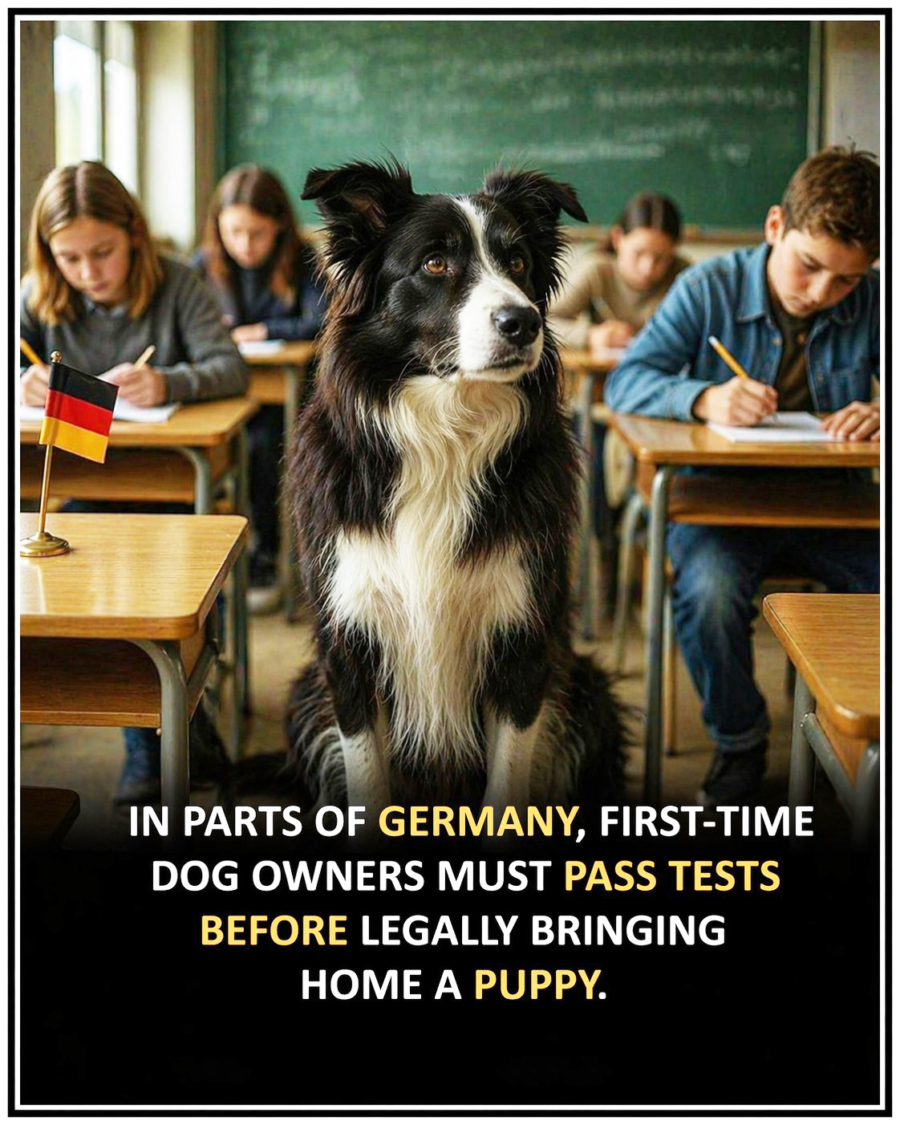
𝗜𝗻 𝗣𝗮𝗿𝘁𝘀 𝗼𝗳 𝗚𝗲𝗿𝗺𝗮𝗻𝘆, 𝗙𝗶𝗿𝘀𝘁-𝗧𝗶𝗺𝗲 𝗗𝗼𝗴 𝗢𝘄𝗻𝗲𝗿𝘀 𝗠𝘂𝘀𝘁 𝗣𝗿𝗼𝘃𝗲 𝗧𝗵𝗲𝘆’𝗿𝗲 𝗥𝗲𝗮𝗱𝘆 𝗕𝗲𝗳𝗼𝗿𝗲 𝗕𝗿𝗶𝗻𝗴𝗶𝗻𝗴 𝗮 𝗗𝗼𝗴 𝗛𝗼𝗺𝗲
In several parts of Germany, getting a dog is not treated like a casual decision made on impulse. For some first-time owners, it begins with education, preparation, and a formal process designed to make sure they understand what life with a dog truly requires. Instead of assuming that love alone is enough, these regions ask an important question before a puppy or adult dog ever enters the home. Are the humans actually ready to meet that animal’s needs in a responsible and informed way?
This approach centers on what is often called the Hundeführerschein, or dog owner’s license. While it is not a nationwide rule across all of Germany, certain states and local areas require it for people who have never owned a dog before. The purpose is not to make adoption harder for caring families. It is meant to reduce preventable suffering by making sure new owners understand the realities of dog care before they take on the responsibility. That shift in thinking matters because many animal welfare problems do not begin with cruelty. They begin with confusion, poor preparation, unrealistic expectations, and a lack of understanding about how dogs think, communicate, and cope with the world around them.
For many people, the idea of getting a dog starts with emotion. They picture companionship, loyalty, fun walks, and a happy animal becoming part of the family. All of those things can absolutely be true, but dogs also bring daily needs that do not disappear when life gets busy or difficult. They need structure, exercise, safe handling, clear communication, appropriate nutrition, medical care, and emotional stability. They rely on people for nearly every part of their well-being. When new owners are not prepared for that, the results can be stressful for both the human and the dog. Problems that could have been prevented often grow into fear, neglect, behavioral struggles, or even surrender.
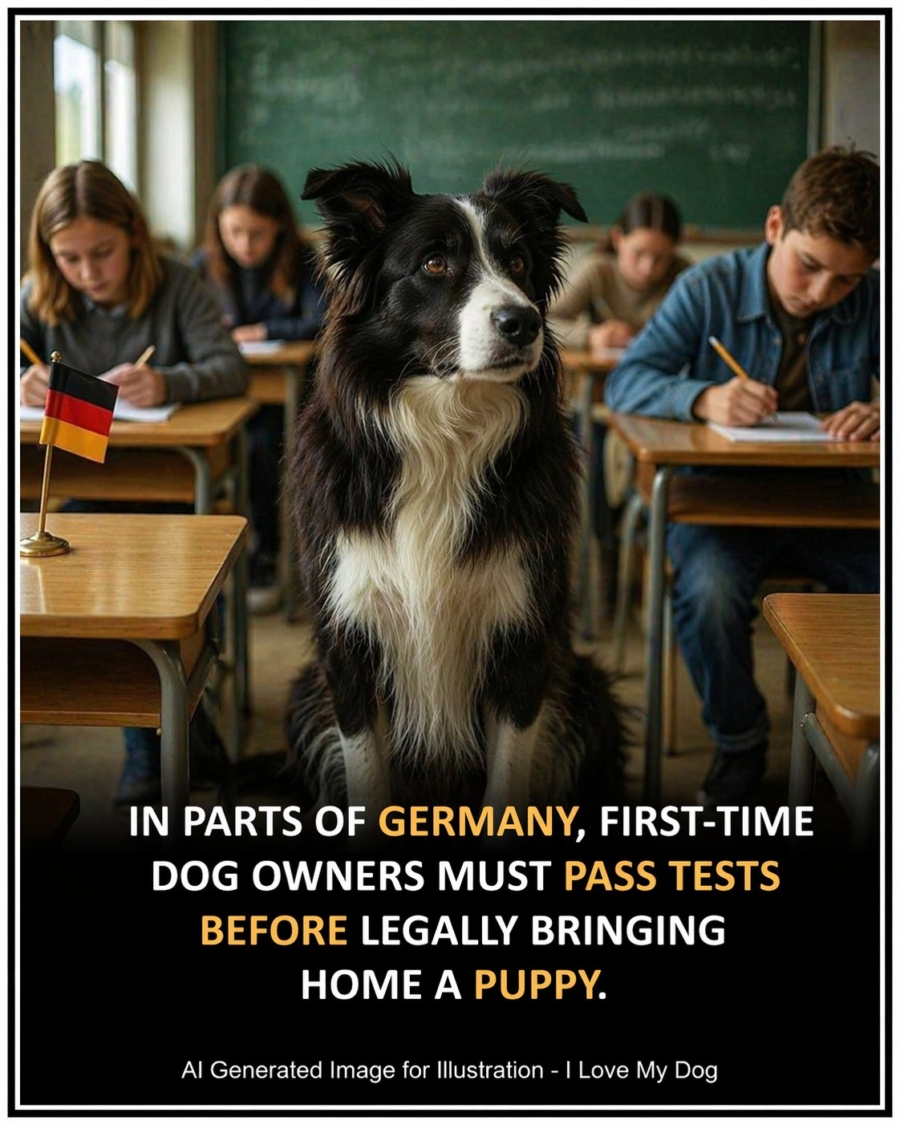
That is why the written portion of the licensing process is so important. It checks whether a person understands the basics of what a dog needs in daily life. This includes food and nutrition, but it also goes much further than that. New owners are expected to learn about dog behavior, body language, stress signals, safety rules, and responsible care. These are not minor details. They shape how a dog experiences the world every single day. A person who cannot recognize when a dog is afraid, overstimulated, or uncomfortable may accidentally create a stressful environment without meaning to. A person who does not understand proper exercise, boundaries, or socialization may end up with a dog that struggles emotionally and behaviorally.
Supporters of the German system believe this kind of education benefits everyone involved. The dog is more likely to enter a home where its needs are understood from the beginning. The owner is more likely to feel confident and capable instead of overwhelmed and confused. The community also benefits because dogs that are trained, safely handled, and properly cared for are less likely to become involved in avoidable incidents or develop serious behavioral problems. In this way, the test is not about demanding perfection. It is about encouraging readiness.
In many areas, the process does not stop with the written exam. A practical test is also required so that new owners can show they are able to manage a dog in real-world situations. This part of the process is especially revealing because knowing something in theory is not always the same as applying it calmly in daily life. A person may understand the idea of responsible ownership, but still struggle when handling a dog near traffic, around strangers, or in the presence of other animals. The practical exam is meant to observe how the owner actually behaves in those situations.
Trainers or evaluators may watch how the person walks with the dog, how they respond to distractions, and how they maintain calm control without creating fear or confusion. The goal is not to create a high-pressure test that people fail over small mistakes. It is to make sure the owner can guide a dog safely and confidently in normal public settings. Dogs need leadership, but they also need that leadership to come with patience, clarity, and emotional steadiness. A stressed or unprepared owner can unintentionally make a dog more anxious. By checking those skills early, Germany’s system tries to prevent problems before they grow.
Many people find the idea surprisingly compassionate. On the surface, requiring a license can sound strict. But underneath that structure is a very caring principle. Dogs are not accessories, surprises, or temporary lifestyle choices. They are living beings with emotional depth, physical needs, and a total dependence on the humans who choose them. Treating ownership seriously from the start sends a powerful message that animals deserve more than good intentions. They deserve homes that are truly prepared for them.
Supporters say the benefits are visible. When owners understand what dogs need, animals are less likely to suffer from boredom, fear, poor handling, or neglect. They are less likely to be abandoned because their behavior became “too difficult” for someone who never learned how to support them properly. They are also more likely to feel secure, stable, and understood in the home. Better-informed ownership can lead to fewer dogs ending up in shelters and more dogs living calm, enriched lives with families who know how to care for them well.
There is also something admirable about the way this model reflects respect for animals. Instead of waiting for problems to happen and then responding afterward, it tries to prevent suffering before it begins. It asks people to pause and think before taking a dog home. It places responsibility ahead of impulse. In a culture where animals are often deeply loved but not always deeply understood, that kind of system can help close the gap between affection and actual care.
Of course, no test can guarantee that every owner will be perfect or that every dog will have an easy path. Life with animals is still full of surprises, challenges, and learning. But education creates a much stronger starting point. It gives people tools. It gives dogs a better chance. And it reminds everyone involved that companionship is not only about what a dog gives to a human. It is also about what a human is willing to provide in return.
Germany’s approach raises a meaningful question that many other countries may eventually need to answer for themselves. Should wanting a dog be enough, or should people first show they are ready to be good for that dog’s life? It is a question rooted in responsibility, compassion, and respect. And for many animal lovers, the answer feels increasingly clear. When humans prepare first, dogs suffer less. When dogs suffer less, homes become happier, streets become safer, and far fewer animals lose the security they deserve.




:max_bytes(150000):strip_icc():focal(999x0:1001x2)/walmart-puppies10-72426-f667858b597b472da871f8f09e73d062.jpg?fit=2000,1333&ssl=1 "5 Puppies Were Found Abandoned in a Bag at a Walmart Parking Lot. They’re Now Looking for Forever Homes (Exclusive)")






:max_bytes(150000):strip_icc():focal(753x271:755x273):format(webp)/cole-the-deaf-dog-112125-1a-ad248101bd174108a795d88d6afd93d8.jpg?fit=750,500&ssl=1 "Elementary School Throws Deaf Therapy Dog a Surprise Birthday Party as Students Learn Sign Language to Sing ‘Happy Birthday’")






:max_bytes(150000):strip_icc():focal(762x247:764x249)/taylor-swift-tout-080924-134e4d9bb8054e809bf49568c71224c8.jpg?fit=1500,1000&ssl=1 "3rd Suspect — an 18-Year-Old Allegedly Loyal to ISIS — Arrested in Taylor Swift Concert Terror Plot")

:max_bytes(150000):strip_icc():focal(742x272:744x274)/why-vanna-white-had-to-miss-5-episodes-100323-tout-ecf9ba4d90b8451aadb2232276d6bcd4.jpg?fit=1500,1000&ssl=1 "Vanna White bids an emotional farewell to Pat Sajak ahead of his final show")


