Politicians frequently write memoirs to shape history and polish their personal legacies. However, Kamala Harris’s memoir, 107 Days, achieves the opposite: it unwittingly exposes the critical flaws of her political career, including a distinct lack of vision, out-of-touch strategies, and a fundamental failure to connect with voters.
1. The “Not Enough Time” Excuse and the Padded Resumé
Structured into 107 chapters corresponding to each day of her rapid campaign, 107 Days repeatedly pushes the narrative that Harris could have won handily had she simply been given more time. The analysis refutes this, arguing that voters actually grew more distrustful of her the longer she was in the spotlight.
Rather than presenting concrete policies, Harris uses “lack of time” as a blanket excuse for leaving key issues unresolved—such as failing to deliver a compelling climate change message to young voters, missing the mark with young Black men, or being unable to counter anti-immigrant narratives. Ultimately, the 320-page book reads more like an inflated resumé, detailing official diplomatic meetings while remaining devoid of genuine political insight or personal vision.
2. Entitlement and a Habit of Blaming Others
One revealing anecdote in the book involves an argument between Harris and her husband at a Philadelphia hotel over a bath towel located on the “far side of the room” that she refused to step out and fetch herself. The article highlights this incident as a metaphor for her campaign and career: that of a politician who expects the world to bend to her convenience.
Harris entered the race with massive advantages: full backing from the Democratic establishment, a record-breaking $1.5 billion campaign chest, and overwhelming celebrity endorsements. Yet, when the campaign failed, she pointed fingers at Joe Biden’s team for keeping her “under wraps” or lamented the rushed timeframe, deflecting any personal accountability for her loss.
3. Opportunistic Calculations and Dodging Principles
The memoir lays bare several controversial and self-serving staff decisions:
-
Sidelining Running Mates: Harris reveals she ruled out Pete Buttigieg as a vice-presidential candidate simply because he is gay, arguing that asking voters to accept a Black woman married to a Jewish man alongside a gay man was “too big of a risk”. Similarly, religious background appears to have played a role in passing over Josh Shapiro.
-
Transactional Views on Vulnerable Groups: Harris treats LGBTQ+ and trans individuals primarily as voting blocs to virtue-signal inclusiveness rather than communities to defend on principle. When faced with targeted anti-trans attack ads, she opted for timid hedging over a strong defense.
-
Handling Biden’s Cognitive Decline: Looking back on President Biden’s obvious decline, she labels the party’s silence “recklessness,” though her own actions reflected political cowardice in refusing to challenge a powerful superior.
-
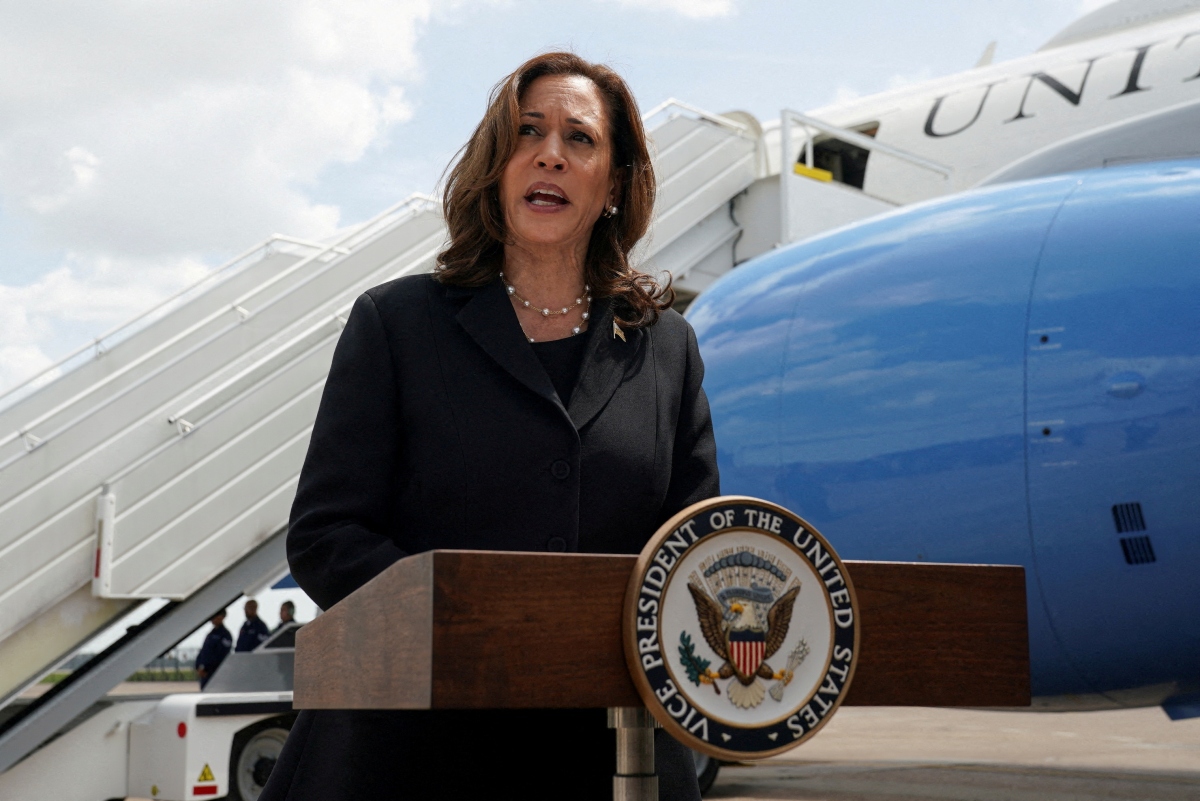
Media Fiascoes: Her infamous appearance on The View—where she admitted that “not a thing comes to mind” regarding what she would do differently from Biden—underscored her total inability to articulate an independent vision.
4. Burning Cash on Superficial PR and Online Trends
The campaign squandered immense financial resources on flashy, low-yield tactics:
-
Spending hundreds of thousands to millions on high-priced displays like the Las Vegas Sphere and soft-ball influencer interviews.
-
Accruing upwards of $20 million in debt hosting high-profile celebrity concerts featuring stars like Beyoncé, Lady Gaga, and Oprah Winfrey.
-
Eagerly latching onto internet memes, such as branding her social media around Charli XCX’s “Brat” trend.
However, the campaign mistook online chatter for real-world support. For working-class Americans holding down multiple jobs to pay rent, aesthetic branding provided zero substance. Furthermore, when speaking with Black voters on outlets like The Breakfast Club, she dodged direct questions and defaulted to canned talking points about Donald Trump.
5. Dismissiveness Toward Gaza and Immigration
-
The Gaza Crisis: Harris took a dismissive, aggressive stance toward anti-war protestors, framing their dissent as a vote for Trump. Miscalculating that Gaza would not impact mainstream voters cost her dearly among progressives and Arab-American communities, as demonstrated by dramatic drops in support in places like Dearborn, Michigan.
-
Immigration Policy: Instead of offering comprehensive pathways to citizenship or reform, Harris leaned right, photo-oping at border fences to project a tough-on-crime persona. This strategy alienated Latino voters and allies without winning over conservatives.
Conclusion
107 Days stands as a testament to a hollow campaign that relied on superficial PR, celebrity stardom, and a single core message: “Vote for me, or the other guy wins”. Far from rehabilitating her image, the memoir confirms what critics have long suspected: Kamala Harris lacked the vision, principles, and skill to lead the nation.

Kamala Harris Is Deeply Sad About Biden’s Claim He Could Have Won the Election
There are signs of strain in the pair’s relationship as Harris and Biden prepare to leave office.

Kamala Harris has told friends that she is deeply sad about President Joe Biden’s claim that he could have won the 2024 election.
Biden said in an interview at the start of January that he thought he could have defeated Donald Trump.
“It’s presumptuous to say that, but I think yes… based on the polling,” he said, speaking to USA Today, later clarifying that he meant both he and Harris “could have… would have” beaten Trump.
Harris told friends that she is disappointed by Biden’s comments, sources told The Wall Street Journal, and people close to Harris told the publication that Biden’s statement demonstrated “one-sided loyalty.”
The report is another sign of strains in the pair’s relationship, following a frosty appearance by Harris and her husband Doug Emhoff at the late former President Jimmy Carter’s funeral this month.
Harris has been a loyal supporter of Biden throughout his presidency, even after his disastrous performance at the debate in June, when other Democrats were calling on him to step down.
She has occasionally had to distance herself from some of Biden’s more notorious gaffes, such as when he called Trump supporters “garbage.”
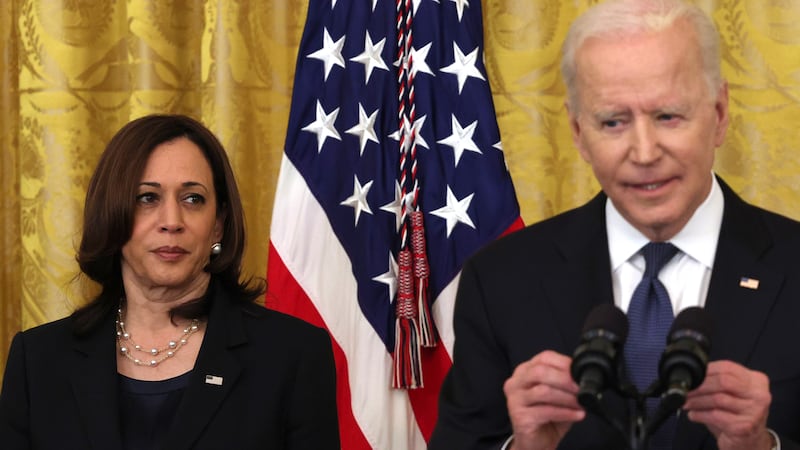
Harris and Emhoff have had a difficult few weeks as she prepares to leave public office for the first time since 2004.
The day after Harris presided over the formal process for the certification of her election loss, she had to cancel her last foreign trip to Singapore, Bahrain and Germany to help with the government’s response to the Los Angeles wildfires.
Last week, her home in the city’s Brentwood neighborhood came under evacuation orders.
Harris is reportedly considering a bid for California governor in 2026, as well as taking on speaking engagements and writing a book to maintain her public profile.
She also hasn’t ruled out running for president again in 2028.
Kamala Harris is the ‘fairly obvious’ 2028 presidential frontrunner, Democratic insiders say
Former aides claim the 2024 Democratic presidential candidate could be a contender for the 2028 nomination
Multiple Democratic aides and strategists suggested Monday that former Vice President Kamala Harris is the “fairly obvious” frontrunner for the 2028 Democratic presidential nomination.
New York Magazine’s Intelligencer spoke to several Harris aides regarding her potential chances if she chooses to enter the race after her defeat in the 2024 presidential election.
Despite her loss, some anonymous Democratic supporters believe, according to the report, that Harris has the upper hand over other party candidates based on her name recognition and recent public appearances.
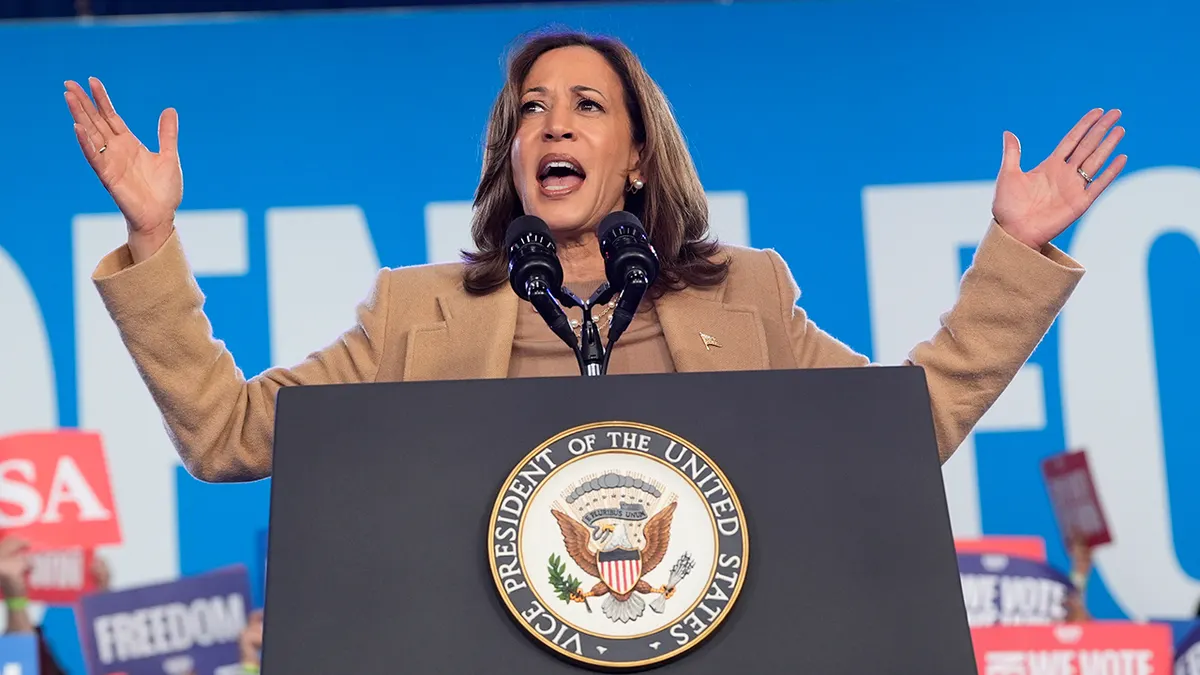
“She walks in as the front-runner. It is fairly obvious she is followed wherever she goes,” one former aide said. “And I don’t want to upset any narratives that any of the other candidates are pushing, but she comes in with 99% name ID and everyone else is going to have to raise money and buy it.”
“She is looking for where the wave is going and is determined to ride it,” another supporter said. “Her mindset is that I should have won, and I am going to do it my way because my way would have won, and it was all these consultants that were telling me to take this position or that position, and it was their fault.”
Though some were concerned that Harris could be bogged down by her past support for the Biden administration and controversial viewpoints, others suggested that voters will be more forgiving of the former vice president after the second Trump administration.
“Look how quickly voters forgot about Trump’s first term,” an anonymous Democratic official said. “People have short attention spans and short memories, and for all the criticisms that could be directed at Biden today, who knows what they think 12 or 16 months from now.”
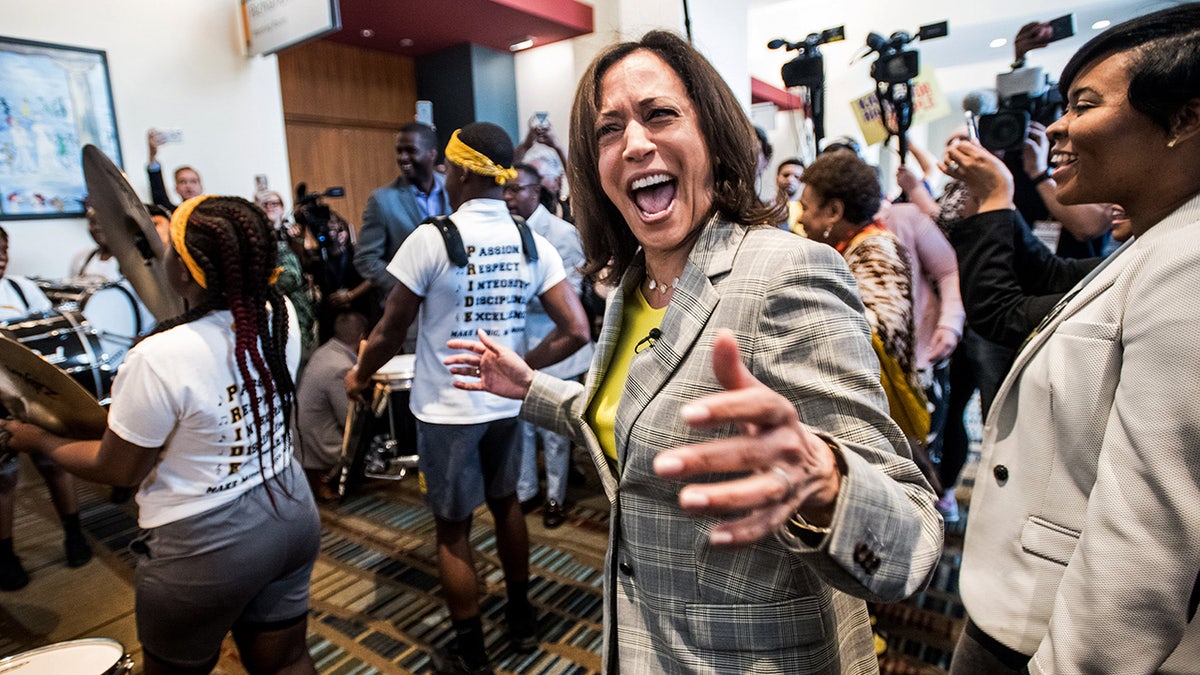
Former Vice President Kamala Harris has hinted at the possibility of running again in 2028. (Sean Rayford/Getty Images)
However, not every person who spoke with the Intelligencer was optimistic about Harris’ chances or whether she should even run again in 2028. One New York donor expressed doubts that she could convince major donors that she could win the White House.
“I hope she runs,” Democratic strategist Alex Hoffman said. “Because then she will lose, and we will never have to hear from her again. She will never win an election at a national scale. Never.”
Fox News Digital reached out to Harris’ office for comment.
Harris has repeatedly suggested that she is open to the idea of running for president again and has made appearances in several key swing states over the past year.

Rep. Alexandria Ocasio-Cortez, D-N.Y. is also pondering a possible 2028 presidential run. (David Dee Delgado/Getty Images)
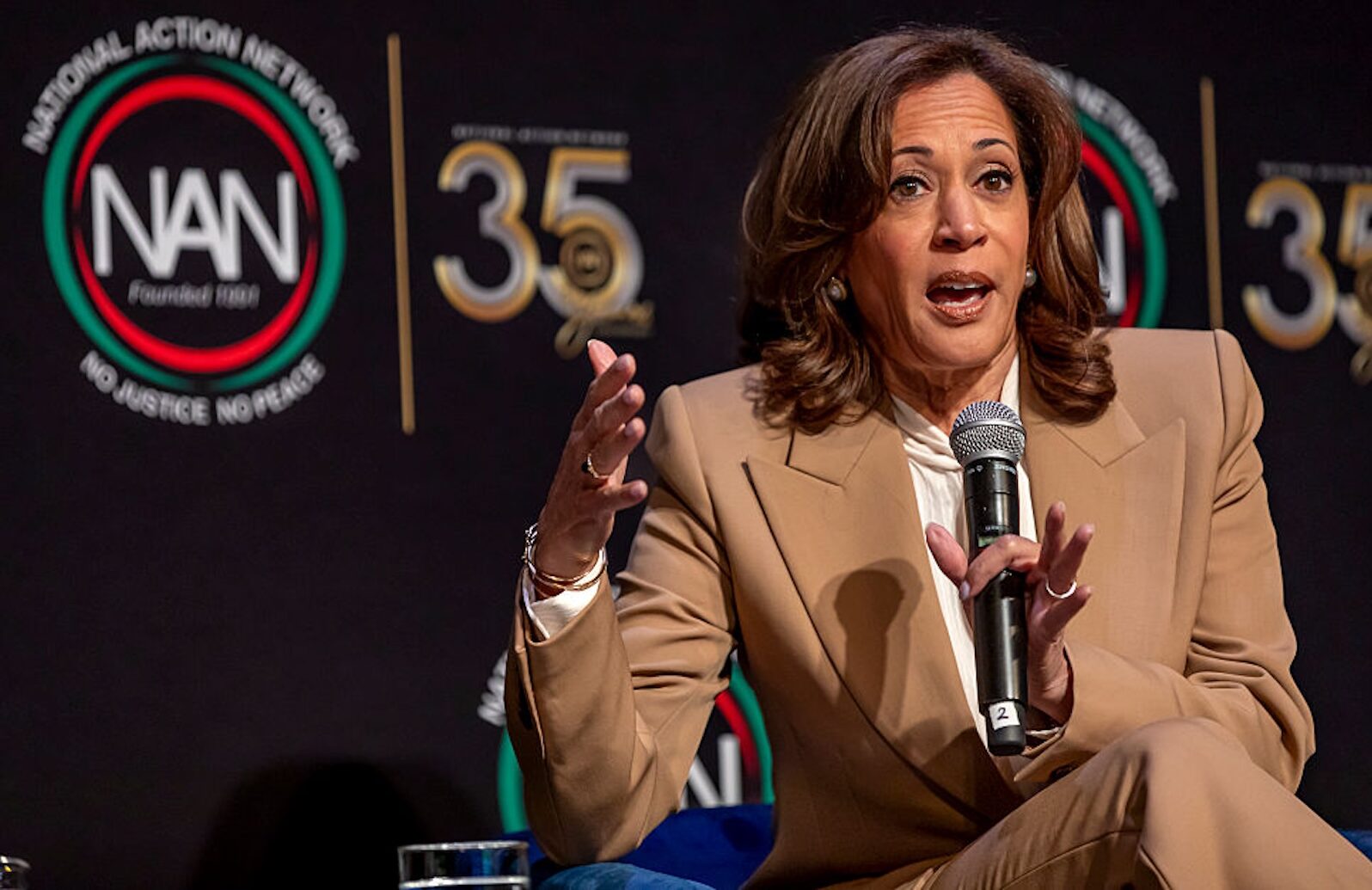
“I might. I might. I’m thinking about it… I’ll keep you posted,” Harris said at the National Action Network’s 35th Anniversary Convention in April.
The Intelligencer report came amid speculation that Rep. Alexandria Ocasio-Cortez, D-N.Y., could launch a 2028 presidential campaign, an idea the New York representative teased last month.
———————————-
Kamala Harris’ biggest opponent in 2028? Herself
As she lays the groundwork for a campaign, Harris again risks a trap of her own making
Were she to run for the Democratic presidential nomination in 2028, Kamala Harris would enter the race with formidable advantages. Thanks to four years as vice president and two presidential bids, her name identification is universal, and she has demonstrated the ability to raise mounds of money. But she would not clear the field.
The list of possible contenders for the Democratic nomination is a mile long and includes governors (California’s Gavin Newsom, Kentucky’s Andy Beshear, Maryland’s Wes Moore, Pennsylvania’s Josh Shapiro and Illinois’ J.B. Pritzker), lawmakers (Arizona Sens. Mark Kelly and Ruben Gallego, New York Rep. Alexandria Ocasio-Cortez and California Rep. Ro Khanna), former Transportation Secretary Pete Buttigieg and former Chicago mayor Rahm Emanuel, to name a few. In an Emerson College poll released July 23, Harris came in fifth with 8%, trailing Buttigieg (19%), Newsom (17%), Georgia Sen. Jon Ossoff (13%) and Ocasio-Cortez (13%).
But as she weighs a third presidential bid, Harris stands to face a bigger and more formidable opponent: herself.

Harris was done dirty by the Biden White House. It was nothing short of political malpractice to handicap and undercut a loyal veep who, according to actuarial tables, could have easily been elevated to the Oval Office in the event of the aging president’s death. (Considering Joe Biden’s post-presidency diagnosis of aggressive metastatic cancer, his staff’s treatment of Harris looks even more outrageous in hindsight.) This was particularly true because, after enduring brutal press cycles in her first two years as vice president, Harris ended up becoming a secret weapon of sorts for Biden, passionate and nimble on the stump in defending reproductive rights in the wake of the 2022 Dobbs decision that overturned Roe v. Wade, and making skillful strides on the world stage.
But if she was not set up for success by the administration while in office, Harris now appears to be falling into a trap of her own making, even as she is “holding lengthy, closed-door meetings” with progressive activists and groups.
In a recent New York magazine feature, a supporter of the vice president — identified as someone “who had recently spoken with her and came away convinced [she] is running in 2028” — inadvertently revealed what, if accurate, looks likely to be her Achilles’ heel. “She is looking for where the wave is going and is determined to ride it,” they said.
Left unsaid was that this is what Harris has long been accused of doing — again and again.
There’s a balance every politician must strike: retaining one’s authenticity while remaining open to recalibrating policy positions in response to new evidence or simply evolving, or to match shifts in the public mood. Some, like Biden, are particularly skilled at this. But charges of flip-flopping cling to other politicians like barnacles on a sailboat, becoming a drag on their campaigns and threatening long-term structural damage to their brand.
This is where Harris is at right now. Despite her national profile, there remains a nagging suspicion that she lacks an internal compass and the courage of her convictions. Since she was first elected to public office as San Francisco district attorney in 2003, she has sometimes shifted positions according to which rung of the political ladder she was climbing.
As the junior senator from California, a progressive state, Harris was vocal in her support for Medicare for All. Famously, in a June 2019 Democratic presidential primary debate, she raised her hand when the moderator asked candidates if they would support eliminating private insurance. Her campaign quickly attempted to walk back her response, and she began softening her position by releasing a plan that called for expanding access to Medicare while maintaining private insurance options. As Biden’s running mate, she supported his position of expanding the Affordable Care Act.
Harris’ shifts on healthcare, while anathema to some progressives, are easier to justify: Her core value of wanting universal healthcare didn’t change, she might explain, only her approach did. But her shift on fracking is much harder to square.
But charges of flip-flopping cling to other politicians like barnacles on a sailboat, becoming a drag on their campaigns and threatening long-term structural damage to their brand. This is where Harris is at right now.
During her 2020 presidential bid, Harris expressed support for an outright ban on fracking, and she brought along a record as California attorney general of investigating oil companies for environmental abuses. But in the face of heat from Donald Trump and Republicans, and needing to put Pennsylvania in the Democratic column on election night, Harris clumsily reversed her position while claiming her “values have not changed” and that she was “seeking consensus.” The explanation didn’t seem to ring true for many voters, and she lost Pennsylvania to Trump by 1.7%.
There have been other policy reversals as well, ranging from the death penalty and cash bail to marijuana and immigration, which have left her vulnerable to Republican attacks and made some Democrats wary.
The New York magazine story indicated that Harris was blaming political consultants for her loss in 2024. “Her mindset is that I should have won,” a supporter told the outlet, “and I am going to do it my way because my way would have won, and it was all these consultants that were telling me to take this position or that position, and it was their fault.”
The problem is that this mindset further adds to the perception of Harris as a political opportunist, and should she eventually enter the primary, it will raise questions about her judgment and management that she will have to confront.
The Democratic Party has changed in the two years since her presidential campaign. The ideological fissures are more apparent, with democratic socialist candidates winning primaries — and elections, in the case of New York City Mayor Zohran Mamdani, whom Harris notably called in June — and nearly two years into the Trump’s second term, the party has become much more restive and angry.
For 2028, Democrats aren’t wanting someone who is searching for a wave to ride to victory. They want someone to instead be that wave.


:max_bytes(150000):strip_icc():focal(599x0:601x2):format(webp)/Osvaldo-G-Casas-1-081324-5bb1fee76e7243fd89a3eeeb04de607c.jpg?fit=750,500&ssl=1 "Pregnant Wife Tried to Save Husband Who’d Been Shot While Protecting Her & Kids. He Died in Her Arms: Family")


:max_bytes(150000):strip_icc():focal(753x271:755x273):format(webp)/cole-the-deaf-dog-112125-1a-ad248101bd174108a795d88d6afd93d8.jpg?fit=750,500&ssl=1 "Elementary School Throws Deaf Therapy Dog a Surprise Birthday Party as Students Learn Sign Language to Sing ‘Happy Birthday’")


:max_bytes(150000):strip_icc():focal(703x222:705x224)/isabella-strahan-103025-3b9e9d26aeea426483381ae4f1d7ff92.jpg?fit=1500,1000&ssl=1 "Isabella, Michael Strahan’s daughter, shows off her gorgeous curly hair after beating cancer — photos.")
:max_bytes(150000):strip_icc():focal(664x304:666x306)/Jeff-Daniels-The-Old-Man-4-102224-ae4d8a3d108147ef8910cfb04018ddb1.jpg?fit=1500,1000&ssl=1 "Jeff Bridges Shares Health Update After Cancer Battle")