It wouldn’t be a new iPhone launch without some drama. While the iPhone Air has impressed in all bend and scratch tests, some users have raised concerns over the durability of the iPhone 17 Pro’s aluminum body.
I spoke to Apple about these concerns, and here’s what it said.
The “scratchgate” narrative first materialized in a Bloomberg story published on iPhone 17 launch day. The article highlighted several examples of wear and tear on iPhone 17 Pro demo units in Apple Stores and other retail partners. The marks were mostly contained to the back of the iPhone 17 Pro, especially around the MagSafe cutout.
Apple tells me it has determined these imperfections are caused by worn MagSafe stands used in some stores. It also clarifies that the marks aren’t scratches, but rather material transfer from the stand to the phone that is removable with cleaning. The company says it is working to address these problems at the stores, presumably by replacing the worn MagSafe stands. Other iPhones on display are also affected by this, including iPhone 16 models.
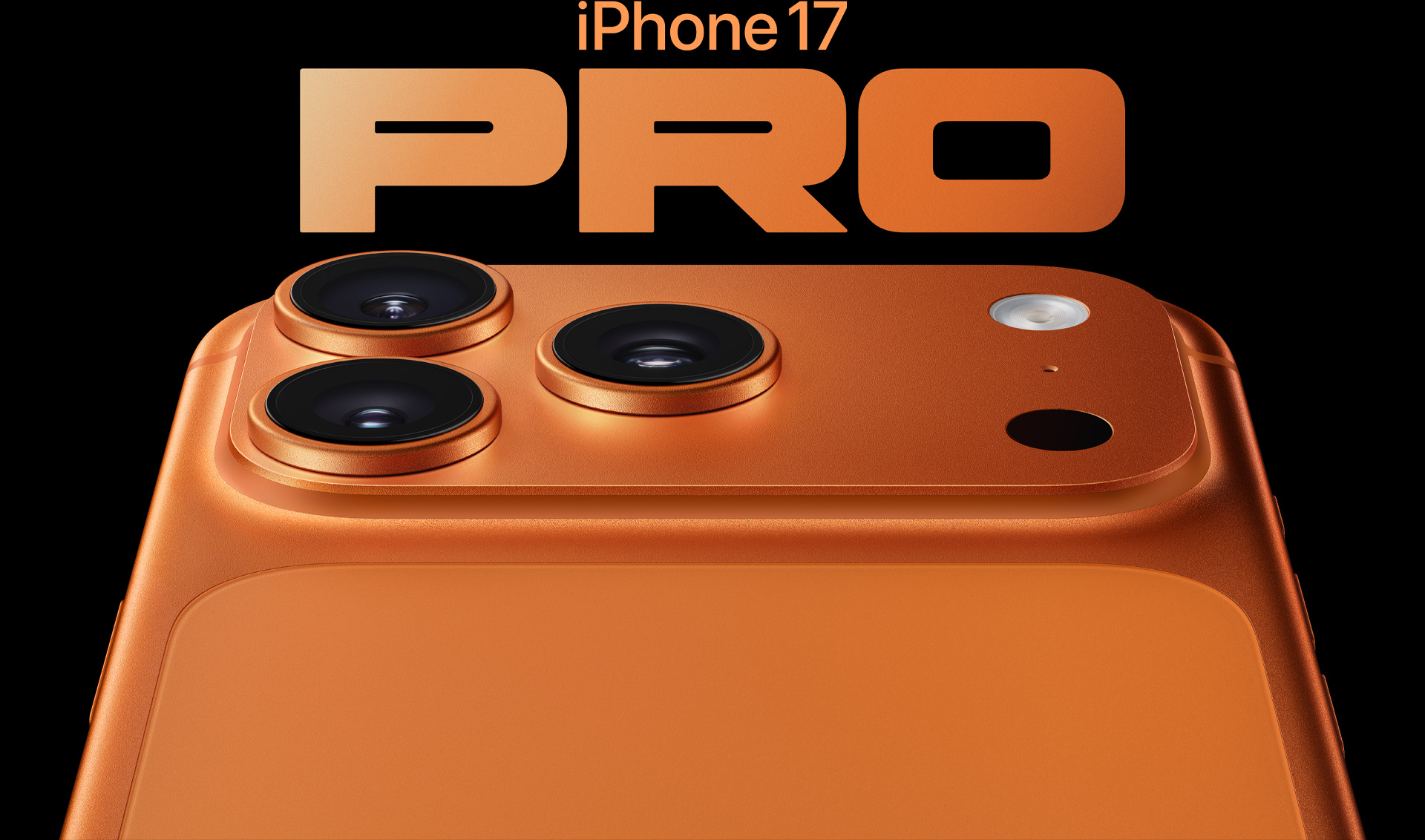
JerryRigEverything highlighted another durability concern in a video over the weekend. In his testing, he found that the raised edges around the camera plateau on the back of the iPhone 17 Pro are particularly susceptible to scratches. He explained that this is largely because Apple didn’t add a chamfer, fillet, or radius around the camera plateau.
Apple tells me that iPhone 17 Pro’s camera plateau edges have similar characteristics to the edges of the anodized aluminum cases on other Apple products, including other iPhone models and MacBooks. While those edges are durable and undergo Apple’s rigorous testing, the company says users may see normal wear and tear, including small abrasions, over time.
9to5Mac’s Take
Broadly speaking, however, the iPhone Air and iPhone 17 lineups have impressed in durability testing. For example, the iPhone Air is remarkably strong and will not bend under normal pressure despite its ultra-thin frame. Testing also shows that the Ceramic Shield 2 front cover on all four new iPhone models is significantly more scratch-resistant than before.
JerryRigEverything also found that the iPhone 17 Pro is impressively scratch-resistant outside of the camera plateau edges. This includes the body of the phones, which shouldn’t show any damage under normal usage, as well as the camera plateau itself. It’s just the edges of the camera plateau that are weaker.
When Apple announced the iPhone 17 lineup, it touted that the phones use a “lightweight aerospace-grade 7000-series aluminum alloy.” The anodization layer on the phones also exceeds industry standards for microhardness. Apple emphasizes that its products undergo rigorous durability tests during development, including scratch tests. The goal is to make sure the products withstand normal, real-life use. Still, it’s clear there are some durability tradeoffs with the new design compared to the previous-gen titanium frame
I’d also encourage some skepticism when you see images of scratched or damaged iPhones on social media. I’ve seen multiple posts where the damage was clearly intentional, but the person tried to pass it off as normal use. I also don’t think demo units in Apple Stores are a great gauge of durability in general, as they are handled by hundreds, if not thousands, of shoppers every day.
Durability concerns aside, there are significant benefits to the new aluminum design of the iPhone 17 Pro. The phones have noticeably better thermal performance than prior iPhone models, which also leads to better efficiency and battery life. It’s also a unibody aluminum design, which, as I wrote in my full iPhone 17 Pro review, feels remarkable in the hand.
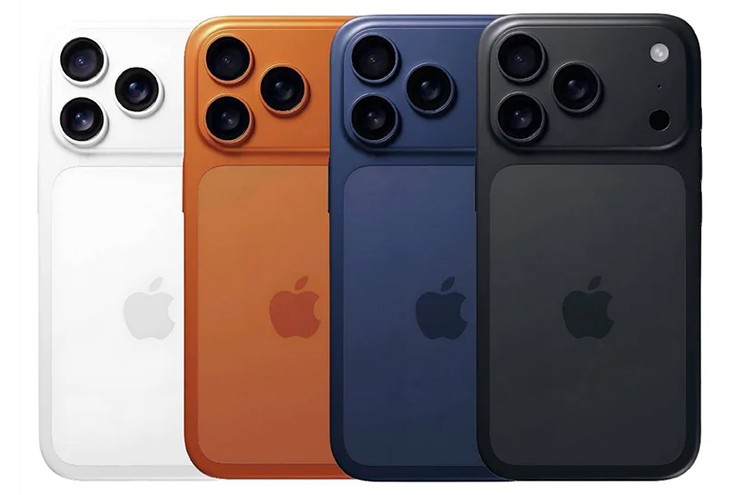
After two weeks of intense use, my iPhone 17 Pro (in cosmic orange) and my iPhone 17 Pro Max (in deep blue) both look as good as new — and I’ve been going case-less the vast majority of the time. What about you? Let us know down in the comments.
iPhone 17 Pro teardown reveals vapor chamber internals, scratchgate details, more
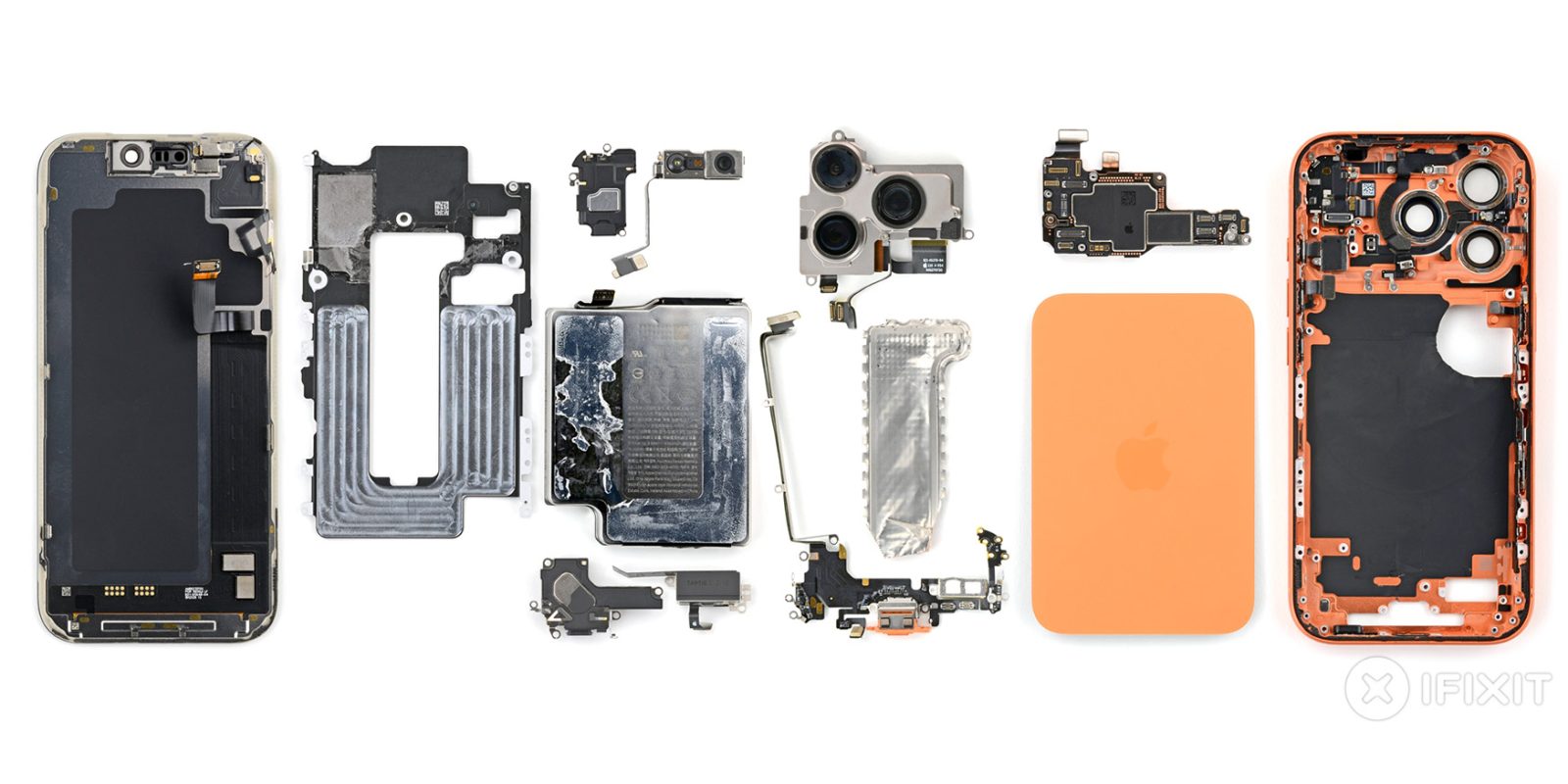
Following the iPhone Air teardown, iFixit turned its eyes and its screwdrivers to the iPhone 17 Pro, and found that the device packs a combination of welcome improvements and one setback when it comes to repairability. Here are the details.
Inside the vapor chamber
Like in the teardown of the iPhone Air, iFixit’s new teardown revealed how Apple packed most of the iPhone 17 Pro’s internals in the top third of the device, leaving the rest for the battery, the USB-C port, and the Taptic Engine.
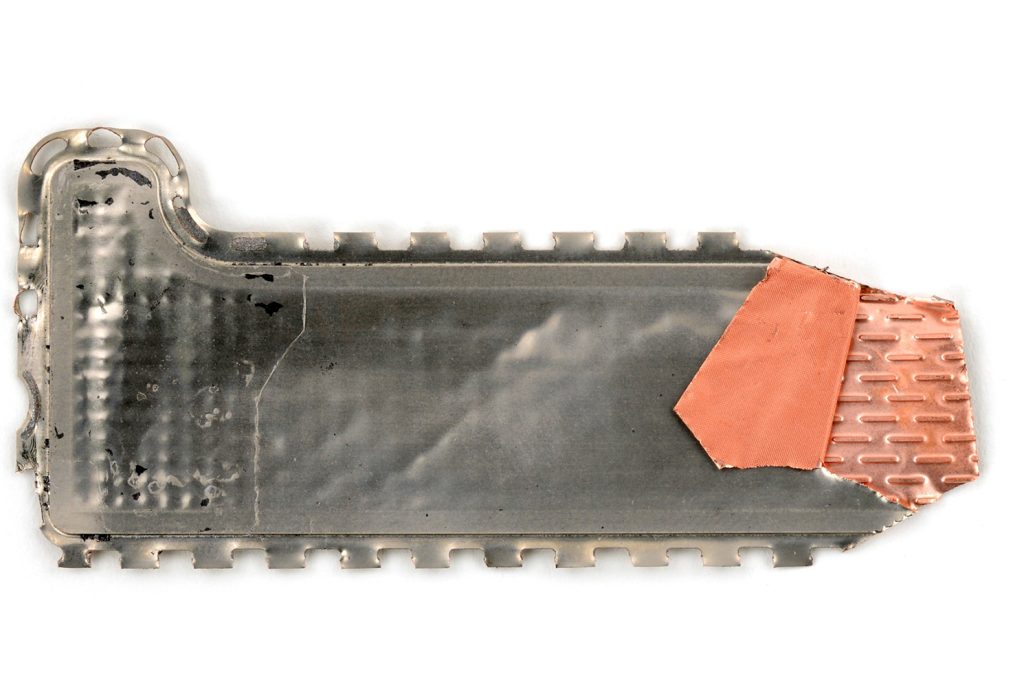
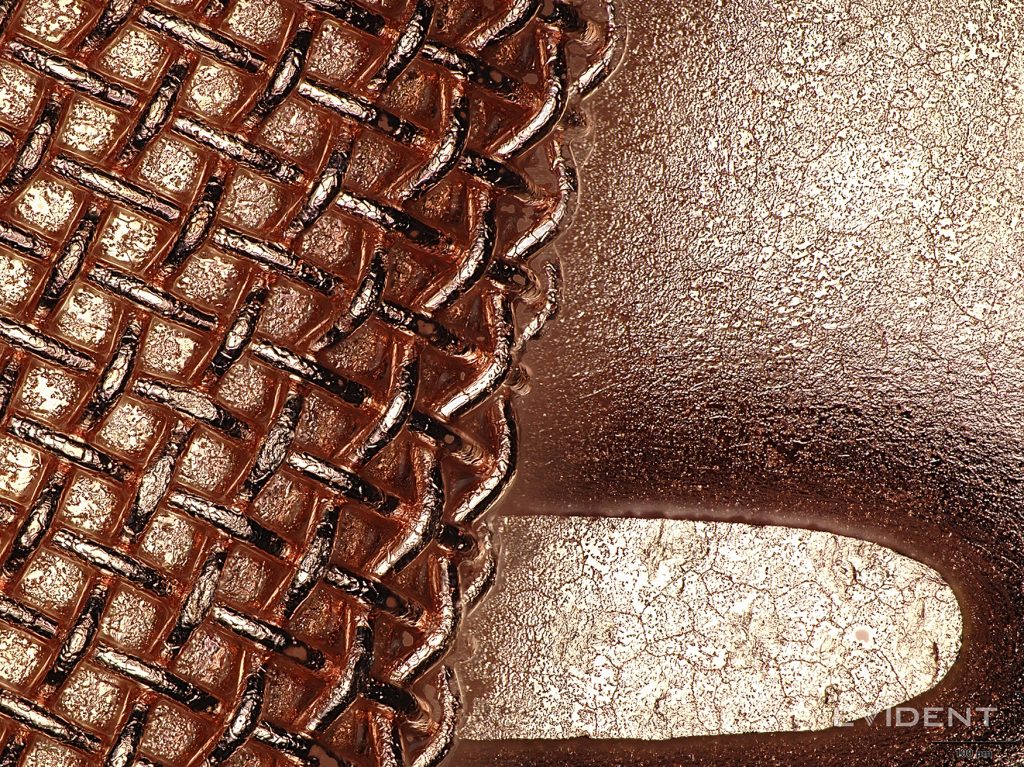
Under the CT scan, one striking component is the new vapor chamber cooling system, which iFixit peeled open to take a peek inside. The teardown shows the metal lattice and the indentations in the copper that let liquid boil, evaporate, and condense in a continuous loop, carrying heat away in the process.
Here’s what the internals of the vapor chamber looks like under the microscope:

One repairability setback they noted on the iPhone 17 Pro compared to previous models is that the device doesn’t offer a dual-entry design, which means that you cannot access components like the battery through the back glass.
On the bright side, iFixit noted that Apple adopted a removable tray for the battery, which is screwed into place (with Torx Screws, for the first time).
The battery still uses Apple’s electrically de-bonding adhesive, but the metal casing makes it both safer and easier to handle compared to previous designs.
Is scratchgate real?
Immediately after the new iPhones hit the shelves worldwide, there were some reports of scuffed-up and dinged-up iPhone 17 Pros, which suggested they might be more scratch-prone than initially thought.
iFixit took a closer look at the issue, and concluded that due to very technical particularities of the anodization process, which they went in-depth in the video below, scratchgate is real, particularly on “the sharp edge of [the] camera bump, which the anodizing doesn’t adhere to as evenly as across the rest of the phone.”
In fact, iFixit took the iPhone 17 Pro scratches and nicks under the microscope, and this is what they saw:
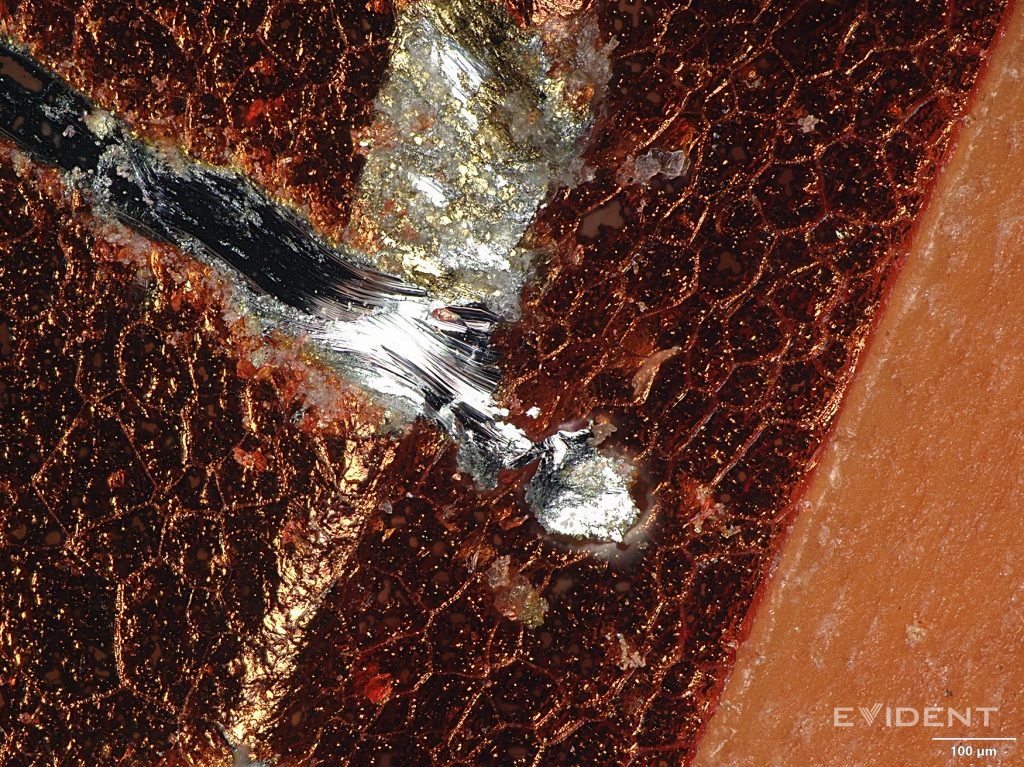
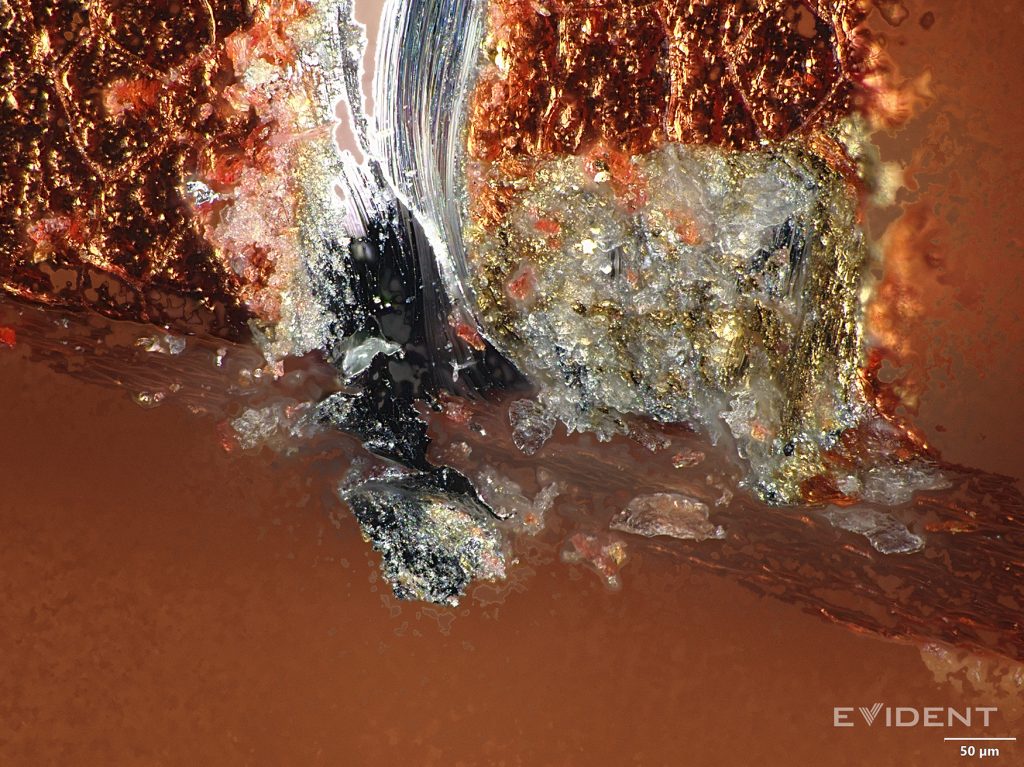
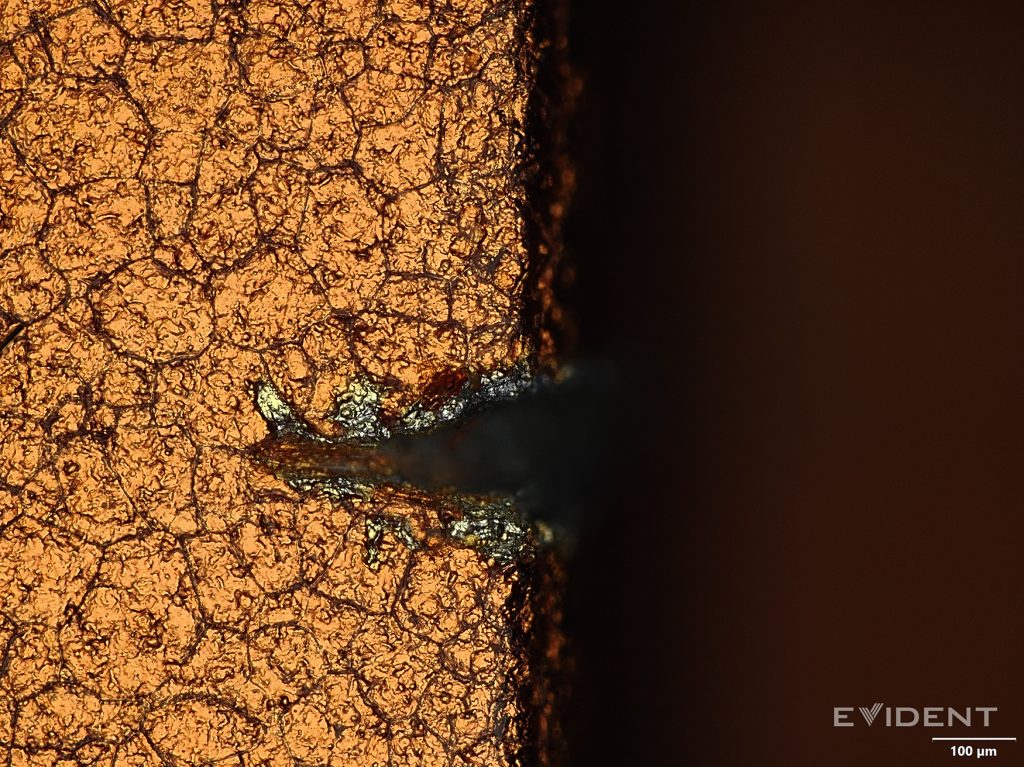
From the iFixit post, referring to the first to image above:
Faced with a pick the hardness of a penny, the iPhone 17 Pro’s anodized coating chips away, revealing shiny aluminum underneath.
Repairability score: 7/10
Scratchgate aside, the iPhone 17 Pro got the same 7/10 repairability score as the iPhone Air, despite having such different internal builds.
All in all, the removable battery tray was a welcome surprise and partly compensated for Apple’s return to a front–access–only design.
You can watch iFixit’s full teardown in the video below:






:max_bytes(150000):strip_icc():focal(691x484:693x486):format(webp)/Amber-Selveys-son-Daniel-011826-24900afaaab94b15b7f81bd49897d238.jpg?fit=750,500&ssl=1 "Dad Went to Bed with a Cough and Died of a Cardiac Arrest. 6 Years Later, the Same Happened to His Son (Exclusive)")





:max_bytes(150000):strip_icc():focal(753x271:755x273):format(webp)/cole-the-deaf-dog-112125-1a-ad248101bd174108a795d88d6afd93d8.jpg?fit=750,500&ssl=1 "Elementary School Throws Deaf Therapy Dog a Surprise Birthday Party as Students Learn Sign Language to Sing ‘Happy Birthday’")