Jeff Bridges’ Death Hoax Shocks Fans — The Actor Has Already Survived One of the Darkest Health Battles of His Life
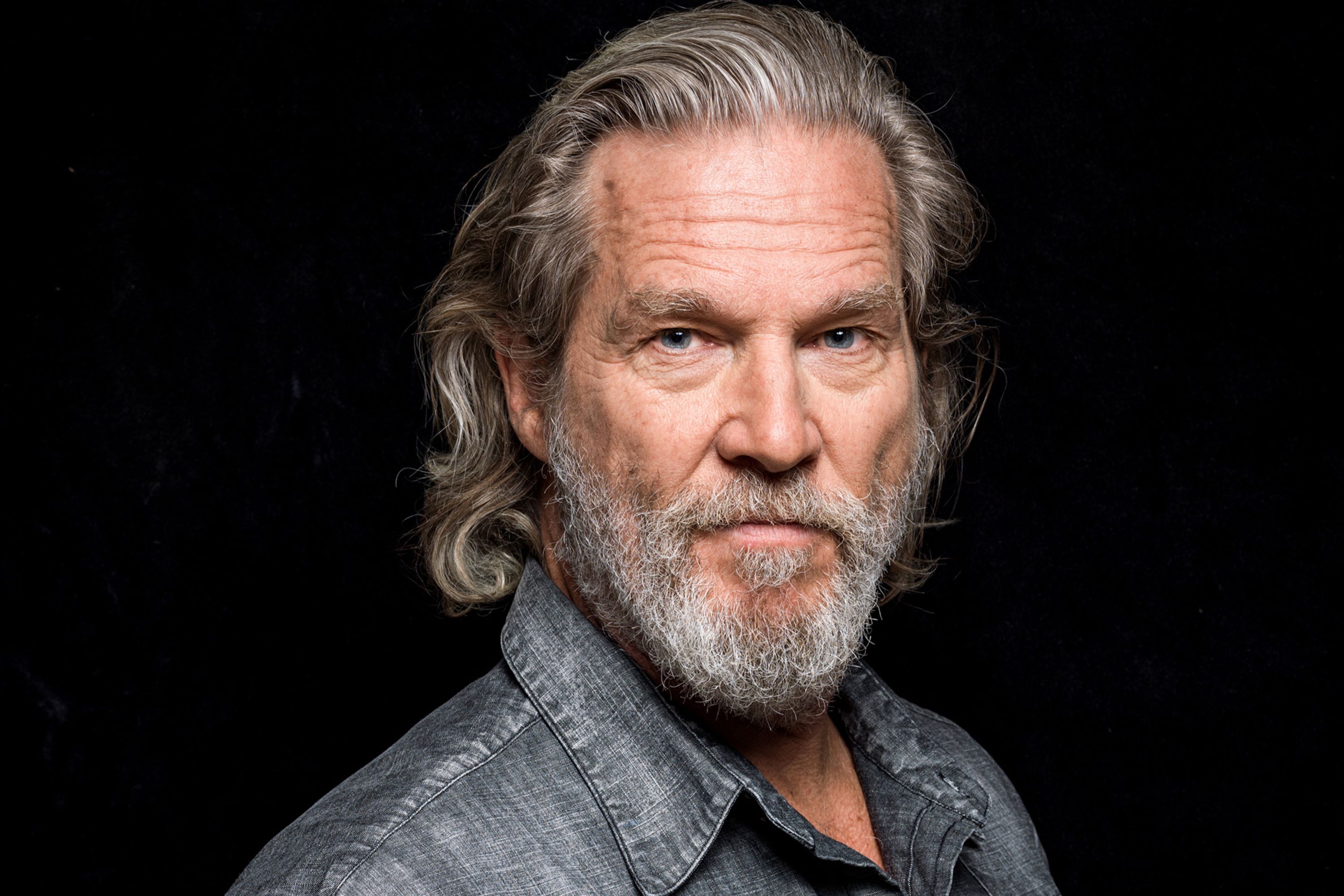
A wave of panic swept across social media this week after a false report claiming that Hollywood icon Jeff Bridges had died began circulating online. The rumor was quickly dismissed, but for many fans, the hoax struck a particularly sensitive nerve: Bridges has already endured one of the most frightening health battles of his life.
The 76-year-old Oscar-winning actor, best known for films including The Big Lebowski, Crazy Heart and The Last Picture Show, became the latest celebrity targeted by an online death hoax in September 2026.
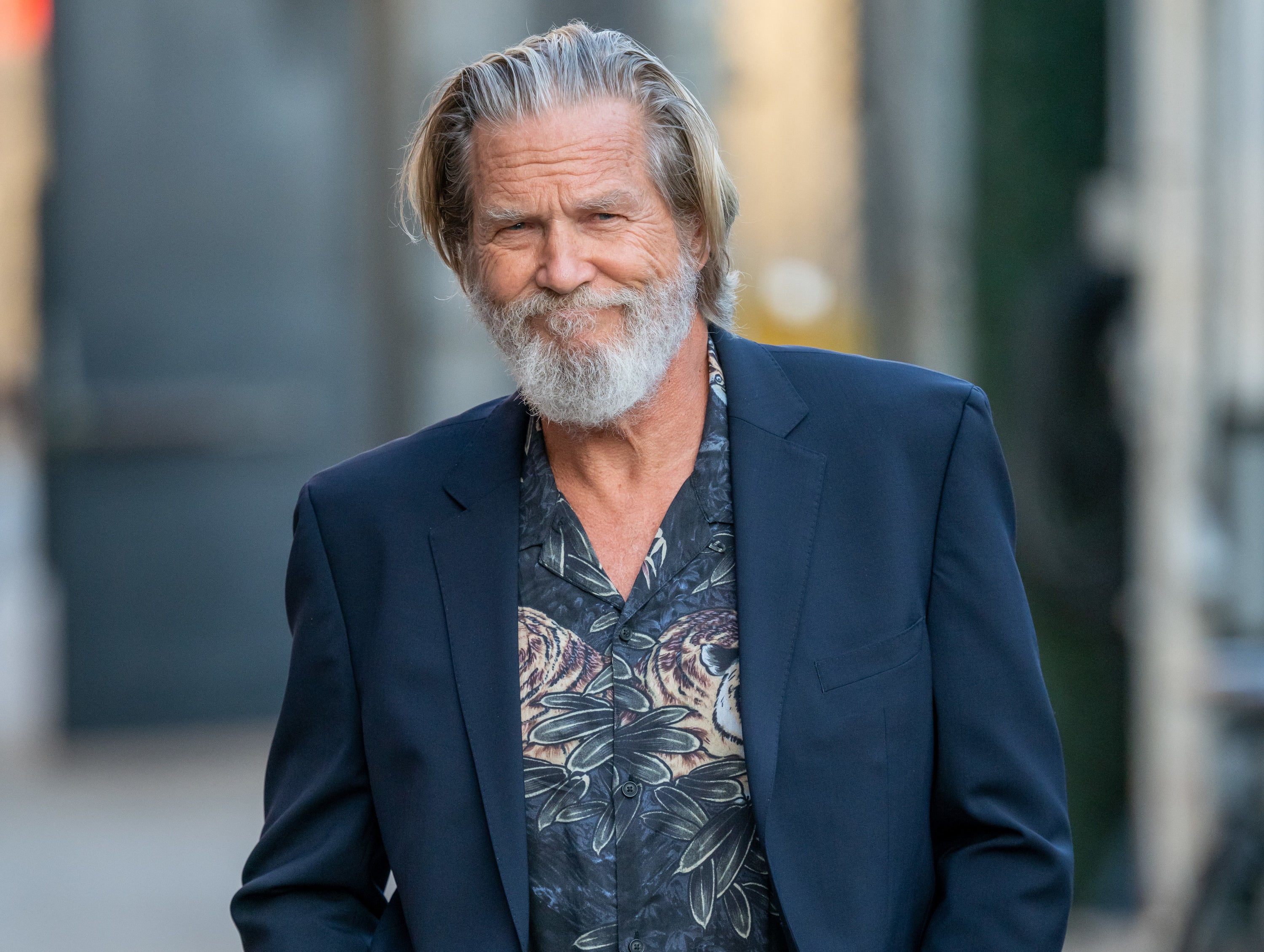
According to reports tracking the false story, a Facebook page carrying the headline “R.I.P. Jeff Bridges” attracted widespread attention and reportedly accumulated nearly one million likes. The post falsely claimed that Bridges had died on September 1 at the age of 76, prompting fans to flood the page with messages of grief and condolences.
The claim was not true.
Reports subsequently identified the story as a hoax, with Bridges reported to be alive and well. The incident once again highlighted how quickly fabricated celebrity death reports can spread across social media before legitimate news organizations have reported anything.
For Bridges, however, the disturbing rumor carries an especially unsettling context.
A terrifying battle with cancer

In October 2020, Bridges revealed that he had been diagnosed with non-Hodgkin lymphoma.
The actor kept fans updated throughout his treatment, eventually announcing in September 2021 that his cancer was in remission. At the time, Bridges revealed that a mass measuring approximately 9 by 12 inches had shrunk dramatically, down to roughly the size of a marble.
His recovery was complicated by another potentially devastating development.
While undergoing chemotherapy, Bridges contracted COVID-19. Because chemotherapy had weakened his immune system, the virus hit him particularly hard, resulting in a five-week hospital stay.
Bridges later described the experience as even more frightening than his battle with cancer.
In a 2022 interview, he recalled being “at death’s door” on several occasions and credited his doctors, trainers and family with helping him fight his way back.

The ordeal left a lasting impression on the actor.
Rather than simply viewing the experience as a period of suffering, Bridges said it changed his perspective on life, family and the people around him.
His wife, Susan Geston, whom he married in 1977, and their three daughters became even more important to him following the health crisis.
The cancer appears to be behind him
Despite the frightening history, there is currently no credible indication that Bridges’ cancer has returned.
In fact, his health outlook has been considerably more encouraging in recent years.
In a 2025 interview with the Los Angeles Times, Bridges said he remained in remission and that his latest CT scan showed no trace of the cancer.
That update makes the latest death hoax particularly misleading. Although Bridges has faced serious medical problems, there is a major difference between acknowledging his past health struggles and claiming that he has recently died or suffered a new health catastrophe.
For fans who remember his hospitalization during the COVID-19 crisis, however, the false report was understandably alarming.
Bridges continues to work
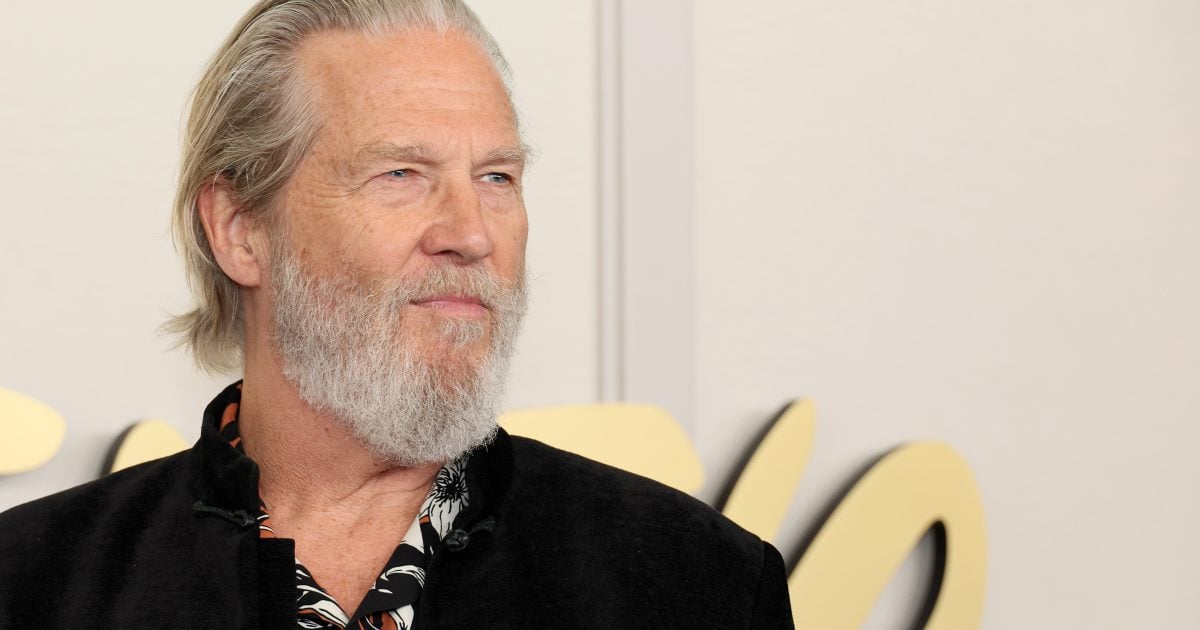
Far from disappearing from the entertainment world, Bridges has continued working well into his 70s.
One of his more recent projects is the documentary In the Company of Wolves: An American Journey, for which Bridges serves as narrator. The film explores the history of wolves and America’s complicated relationship with the animals and the landscapes they inhabit.
The documentary screened in Cannes in May 2026 and subsequently received theatrical screenings in the United States.
Bridges has also remained part of Hollywood’s major film conversation, continuing a career that has stretched across more than six decades.
For an actor whose career has included everything from The Last Picture Show and Starman to The Big Lebowski, his continued presence on screen is remarkable in itself.
From death rumors to a story of survival
The latest hoax may have briefly convinced some fans that they had lost one of Hollywood’s most recognizable figures.
The reality is very different.
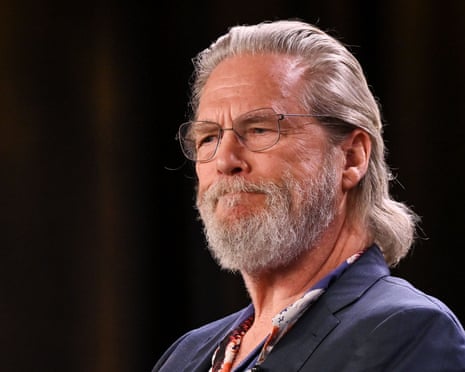
Jeff Bridges has already faced lymphoma, chemotherapy, a severe COVID-19 infection and a prolonged hospitalization. He emerged from those experiences and has continued working, making music and speaking publicly about the value of family, gratitude and simply being alive.
That history makes the latest rumor more than just another celebrity death hoax. It is also a reminder of how easily a frightening headline can obscure the real story.
Jeff Bridges is not known to have died.
Instead, the latest credible information paints a picture of an actor who survived a life-threatening health crisis, reached remission and continues to work at an age when many of his contemporaries have long since retired.
For the fans who briefly feared the worst, that may be the most reassuring update of all.

Jeff Bridges: The Extraordinary Career of a Hollywood Original
For more than five decades, Jeff Bridges has been one of the most distinctive and enduring figures in American cinema.

He has played cowboys, criminals, musicians, businessmen, aliens, government officials, villains and reluctant heroes. He has appeared in blockbuster franchises and small independent dramas, worked with some of Hollywood’s most celebrated directors and created characters that became part of American popular culture.
Yet Bridges’ career has never followed the traditional path of a movie star.
He did not build his reputation simply by chasing blockbuster roles. Instead, he developed a career around memorable characters, naturalistic performances and an almost effortless screen presence that allowed him to move between genres with unusual ease.
Today, Bridges is remembered not only as an Academy Award-winning actor, but as the man behind some of the most recognizable characters in modern American film.

Hollywood was in his blood
Jeffrey Leon Bridges was born in Los Angeles in 1949 into one of Hollywood’s best-known acting families.
His father, Lloyd Bridges, was already a successful actor, while his older brother Beau Bridges would eventually establish a major acting career of his own.
Jeff was exposed to the entertainment business from an early age. He appeared as a child in The Company She Keeps and later appeared with his father on the television series Sea Hunt.
But acting was not initially the career Bridges dreamed about.
In fact, he later recalled that he had other interests, particularly music and art, and that having famous actor parents did not automatically make him want to follow the same path.
Eventually, however, Hollywood became his profession.
And in 1971, everything changed.

The Last Picture Show made him a star
Bridges’ breakthrough came with Peter Bogdanovich’s The Last Picture Show.
Released in 1971, the film was a critically acclaimed portrait of young people growing up in a declining Texas town. Bridges played Duane Jackson, a restless young man trying to understand adulthood, relationships and his place in the world.
The performance immediately established him as one of the most promising young actors of his generation.
Bridges received his first Academy Award nomination for Best Supporting Actor.
It was the beginning of a remarkable relationship with the Oscars that would continue for decades.
Rather than becoming a conventional Hollywood leading man, Bridges gravitated toward complicated, imperfect and often unconventional characters.
Throughout the 1970s, he appeared in films such as Fat City, The Last American Hero, The Iceman Cometh, Thunderbolt and Lightfoot and Rancho Deluxe.
His performance in Thunderbolt and Lightfoot, opposite Clint Eastwood, earned him another Oscar nomination.
Bridges was already demonstrating one of the defining characteristics of his career: he could make flawed, reckless or unconventional men feel completely believable.
TRON changed the direction of his career
In 1982, Bridges stepped into a very different kind of movie.
He starred as computer programmer Kevin Flynn in Disney’s groundbreaking science-fiction film TRON.
At the time, the movie’s extensive use of computer-generated imagery was revolutionary. The film eventually became a cult classic and helped establish Bridges as an actor capable of moving between serious character dramas and ambitious genre films.
Nearly three decades later, Bridges returned to the role in TRON: Legacy, reprising Kevin Flynn for a new generation.
But the most important performance of his career during the 1980s came in another science-fiction film.
Starman earned Bridges another Oscar nomination
In John Carpenter’s Starman (1984), Bridges played an alien who assumes the form of a recently deceased human being.

It was an unusual role requiring Bridges to portray a character who was simultaneously unfamiliar with humanity and emotionally innocent.
The performance earned him an Academy Award nomination for Best Actor.
Bridges continued building one of the most eclectic filmographies in Hollywood, appearing in projects including Tucker: The Man and His Dream, where he played automobile innovator Preston Tucker.
Then came one of his most celebrated collaborations.
The Fabulous Baker Boys and the Bridges brothers
In 1989, Jeff Bridges appeared alongside his brother Beau Bridges in The Fabulous Baker Boys.
The film followed two piano-playing brothers whose struggling act receives new life after they hire a talented singer played by Michelle Pfeiffer.
The movie became one of the most acclaimed films of the decade, and the collaboration gave audiences a rare opportunity to see the two Bridges brothers working together.
Decades later, Jeff would describe Beau as his “best friend” and recall how fortunate they felt while making the film.
The brothers would work together again in Hidden in America.
Then came The Dude
If The Last Picture Show established Jeff Bridges as a serious young actor, The Big Lebowski transformed him into a cultural icon.
The Coen brothers’ 1998 film was not an immediate blockbuster.
Instead, it gradually developed a passionate following.
Bridges played Jeffrey “The Dude” Lebowski, an unemployed, laid-back Los Angeles man whose obsession with bowling, White Russians and avoiding unnecessary conflict makes him one of the most recognizable characters in American cinema.
The performance became inseparable from Bridges himself.
“The Dude” was relaxed, strange, funny and completely unconcerned with conventional ideas of success.
It was also a role that perfectly suited Bridges’ naturalistic acting style.
Over the years, The Big Lebowski became a cult phenomenon, and The Dude became one of the defining characters of Bridges’ career.
:max_bytes(150000):strip_icc():focal(664x304:666x306)/Jeff-Daniels-The-Old-Man-4-102224-ae4d8a3d108147ef8910cfb04018ddb1.jpg)
From Iron Man villain to Oscar winner
Bridges continued taking dramatically different roles.
In 2008, he entered the world of superhero cinema with Iron Man, playing billionaire industrialist Obadiah Stane, the film’s principal antagonist opposite Robert Downey Jr.
But the following year brought the performance that finally earned Bridges the industry’s highest individual acting honor.
In Crazy Heart, Bridges played Bad Blake, an aging country singer whose alcoholism, failed relationships and fading career have left him struggling to find a reason to keep going.
The role was deeply different from the polished Hollywood hero.
Bad Blake was damaged, bitter and vulnerable.
Bridges’ performance earned him the Academy Award for Best Actor in 2010.
He also won the Golden Globe and Screen Actors Guild Award for the role.
After nearly four decades of Oscar nominations, Bridges finally had his moment.
And remarkably, his career was still far from finished.

True Grit proved he could still dominate the screen
In 2010, Bridges reunited with the Coen brothers for True Grit.
He played U.S. Marshal Rooster Cogburn, a hard-drinking, rough-edged lawman who agrees to help a young girl pursue her father’s killer.
The performance earned Bridges another Academy Award nomination for Best Actor.
It was his sixth Oscar nomination at that point and further demonstrated that winning the Oscar for Crazy Heart had not been the culmination of his career.
It was simply another chapter.
Hell or High Water showed another side of Bridges
In 2016, Bridges appeared in Hell or High Water, playing Texas Ranger Marcus Hamilton.
The film, directed by David Mackenzie and written by Taylor Sheridan, combined elements of a crime thriller, Western and character drama.
Bridges’ performance earned him his seventh Academy Award nomination, this time for Best Supporting Actor.
That nomination was significant because it came more than four decades after his first Oscar nomination for The Last Picture Show.
Few actors have demonstrated that kind of longevity at the highest level of American filmmaking.
The Old Man brought Bridges to television
Bridges eventually took on one of the biggest television roles of his later career in FX’s The Old Man.
The series allowed him to explore another kind of character: Dan Chase, a former intelligence operative whose violent past catches up with him later in life.
It was a physically demanding role for an actor who had already spent decades in the business.
The series also demonstrated something Bridges had proved repeatedly throughout his career: age did not diminish his screen presence.
If anything, his experience gave his performances greater weight.

More than just an actor
Bridges’ artistic career extends beyond acting.
He has long been interested in music, photography and visual art.
Music, in particular, has remained an important part of his identity. His performance in Crazy Heart allowed him to combine his acting career with his musical interests, while his photography and artwork have provided another creative outlet away from the movie set.
That broader artistic identity helps explain why Bridges has never seemed entirely defined by Hollywood.
He is an actor, but he has also consistently approached his work as a form of personal expression.
A career built on longevity, not hype
Jeff Bridges’ career is unusual because it has never depended entirely on conventional movie-star mythology.
He has not needed to be the biggest star in every film.
Instead, he has repeatedly become the most memorable person in the room.
From Duane Jackson in The Last Picture Show to Kevin Flynn in TRON, from The Dude in The Big Lebowski to Bad Blake in Crazy Heart, Rooster Cogburn in True Grit and Marcus Hamilton in Hell or High Water, Bridges has built a gallery of characters that are dramatically different from one another.
His seven Academy Award nominations span more than four decades, and his Oscar win for Crazy Heart arrived after a career that was already considered extraordinary.
That may ultimately be Jeff Bridges’ greatest achievement.
He never had to reinvent himself completely to remain relevant.
He simply kept finding interesting characters.
And as Hollywood has changed around him, Bridges has remained what he has always been: an actor with an unusually human presence, capable of making even the strangest character feel real.
More than 50 years after his breakthrough, Jeff Bridges’ career is no longer simply a Hollywood success story.
It is a piece of Hollywood history.


:max_bytes(150000):strip_icc():focal(749x0:751x2)/rob-reiner-michelle-121525-fa6b3f711074498bbd85064cd8087ab6.jpg?fit=1500,1000&ssl=1 "Rob and Michele Reiner died from ‘multiple sharp force injuries,’ medical examiner concludes")



:max_bytes(150000):strip_icc():focal(753x271:755x273):format(webp)/cole-the-deaf-dog-112125-1a-ad248101bd174108a795d88d6afd93d8.jpg?fit=750,500&ssl=1 "Elementary School Throws Deaf Therapy Dog a Surprise Birthday Party as Students Learn Sign Language to Sing ‘Happy Birthday’")






:max_bytes(150000):strip_icc():focal(967x611:969x613)/Janelle-Kidman-Nicole-Kidman-090724-1-fe6b1b2f95a6447883ce21fe84b21ce1.jpg?fit=1500,1000&ssl=1 "Nicole Kidman Calls Her Late Mother ‘My Compass’ and a ‘Major Guide’ in Her Life")