The ongoing war waged by the United States and Israel against Iran is putting President Donald Trump in a strategic dilemma, where both pressing forward and pulling back present severe difficulties.
According to The Tribune, on the domestic political front, Trump is under immense pressure as he faces controversies and allegations surrounding documents in the Epstein files, even as the Middle East is engulfed in the flames of war. This leaves him with a grueling choice: continue escalating the conflict with Iran through bombing campaigns or retreat.
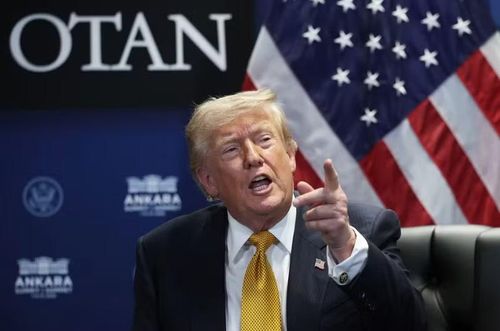
The Iran War in a Multipolar World The conflict with Iran is unfolding within a more multipolar and fragmented international order. In this environment, conflicts are waged not only on the military front but also through information warfare and economic competition.
According to The Tribune, no war in a multipolar environment can remain confined to a single region. This is particularly true for Iran, where nuclear and economic factors make it highly unlikely that global powers like Russia, China, and the Gulf states can remain on the sidelines for long.
According to the article, the conflict could head in one of two directions: First, the involved parties could pressure the U.S. and Israel to halt the bombings and return to dialogue. Second, they could join forces with the U.S. and Israel to bring the war to an end through military might.
Many experts believe the first scenario is more likely, while the second remains a highly dangerous path.
For Iran, the choice is clear: the country views this as an existential war against foreign aggression. In the opening days, Tehran has demonstrated a willingness to endure heavy casualties to resist its adversaries.
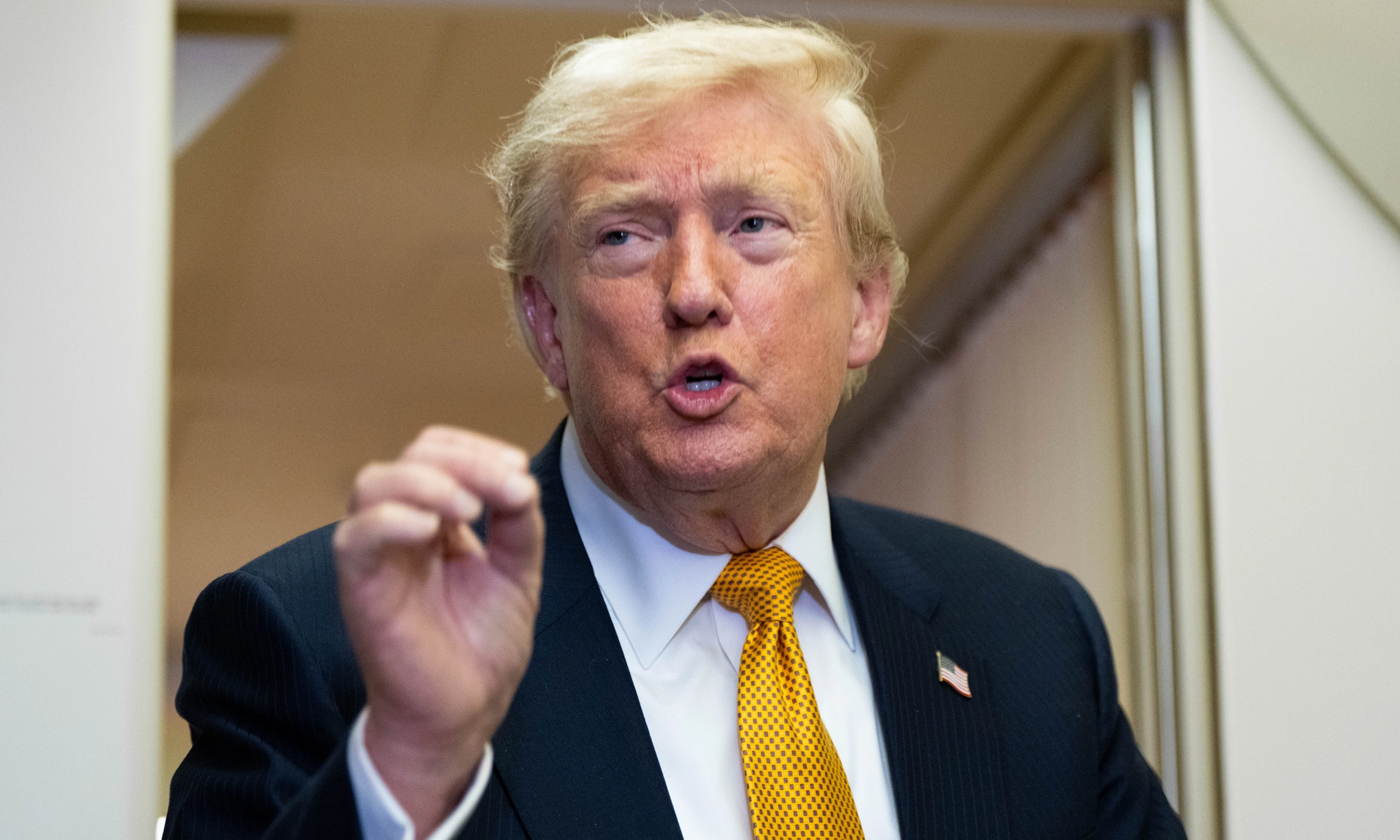
U.S. and Israel Lack an Exit Strategy The U.S. and Israel are escalating the conflict with the goals of degrading Iran’s military capabilities and instigating political change in Tehran. However, both nations also understand that they cannot afford a prolonged war, given the severe domestic repercussions and the heavy toll it would take on the global economy.
After nearly a week of hostilities, many experts note that the U.S. and Israel lack a clear exit strategy, and their conditions for victory remain vague.
The initial airstrikes against Iran achieved several key objectives, including the elimination of Iranian Supreme Leader Ali Khamenei and numerous high-ranking military officials.
Initially, Trump believed the campaign would wrap up within a few weeks, but Iran’s fierce retaliation has forced Washington to concede that the operation could drag on much longer.
Furthermore, the ultimate objective of the campaign remains poorly defined. It is still unclear whether the U.S. and Israel genuinely aim to dismantle Iran’s nuclear program, degrade its military, or force regime change in Tehran.
This ambiguity suggests that the U.S. and Israel have yet to align on the ultimate end game of the war.
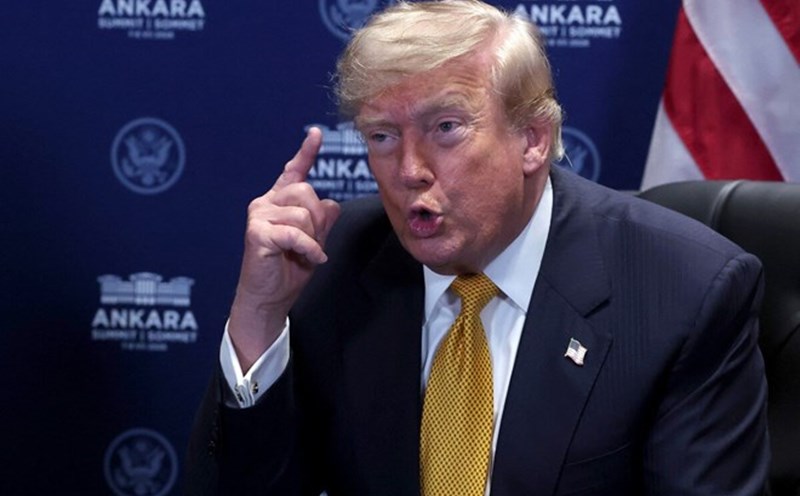
Two Major Blunders According to The Tribune, the U.S. is repeating two major blunders it made in previous conflicts.
1. The pace of war outruns policymaking
Military operations are moving faster than the policymaking process. As a result, political leaders are forced to react to battlefield developments rather than steering the war with a clear, overarching strategy.
According to The Tribune, unleashing hundreds to thousands of airstrikes daily demonstrates that military momentum is bypassing diplomatic and legal channels, such as debates within the United Nations Security Council or the U.S. Congress.
This significantly increases the risk of the war expanding and dragging on.
2. Misunderstanding Iran’s “human terrain”
The second blunder lies in misjudging the social fabric and mindset of the Iranian public. The U.S. previously made the same mistake in Afghanistan and Iraq.
Iran possesses a tightly organized political-religious system centered around the Supreme Leader and the clergy. Furthermore, the Iranian people share a powerful sense of national identity and historically unite when confronted with foreign intervention.
The Final U.S. Choice According to The Tribune, Trump will ultimately have to make a decision: continue escalating the war to avoid the perception of defeat, or pull back and absorb the domestic political fallout.
This is the very strategic dilemma currently confronting the Trump administration in its war with Iran.
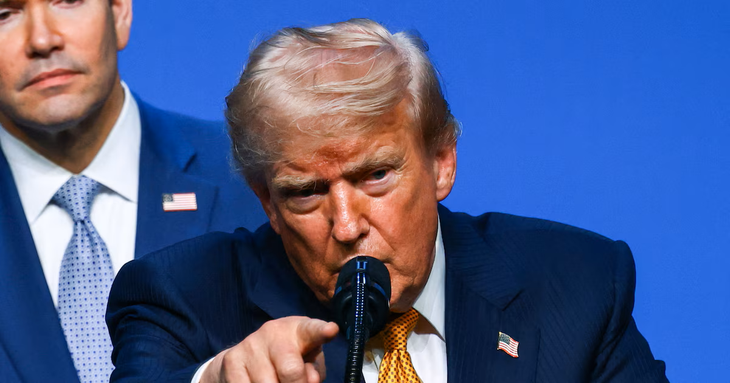

The Catastrophic Blunder That Left Trump Bogged Down in Iran War Revealed
President Donald Trump was unprepared for the “time bomb” in the Strait of Hormuz, believing that a war with Iran would be over in just days, or even hours, The Daily Beast reported, citing intelligence sources.
Prior to launching the attacks, Trump was warned by Director of National Intelligence Tulsi Gabbard and other advisors that Tehran would almost certainly blockade the Strait of Hormuz if struck. Additionally, U.S. allies in the Middle East could also become targets for retaliation.

However, according to intelligence sources, Trump dismissed these warnings, believing that the Iranian people would rise up to overthrow the regime as soon as the airstrikes began.
He assumed the military campaign would be swift—lasting only hours, days, or at most a week—after which the Iranian public would “do the rest.” But that uprising never materialized.
Ahead of the campaign, dubbed “Epic Fury,” the CIA had even launched a covert operation to supply weapons to a major Iranian opposition group. However, these arms never reached their intended recipients.
Despite this, Trump maintained absolute faith in the uprising scenario. One official noted that he believed previous protests in Iran could expand and topple the government. He also compared the situation to Venezuela, arguing that simply removing the leadership would be enough to trigger regime change.
This reasoning was reinforced by the fact that in a video posted on Truth Social announcing the start of the airstrikes on Iran, Trump urged its citizens to “take back your government” and promised strong U.S. backing. However, following the attacks, while some of Iran’s leadership was eliminated, the large-scale wave of protests seen earlier in the year failed to recur.
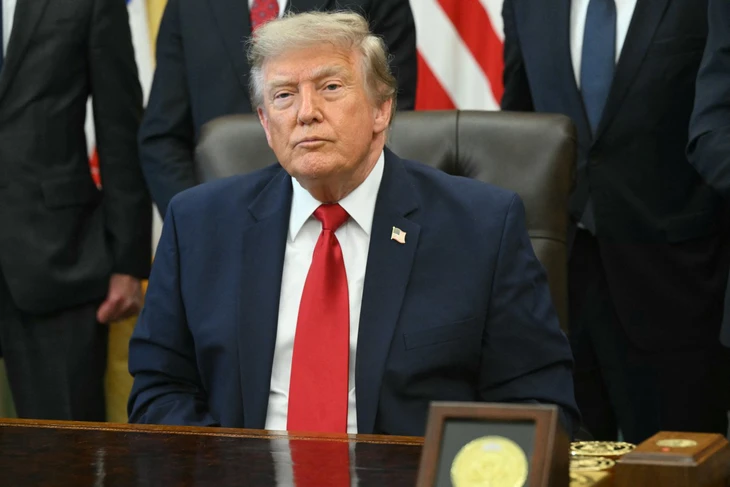
This miscalculation left the U.S. without a contingency plan to prevent a blockade of the Strait of Hormuz or to handle the subsequent surge in global energy prices.
Trump himself conceded that the weapons supply operation had failed. In impromptu remarks, he stated that the arms sent had been kept by the receiving group itself, rather than being used against the Iranian government.
Experts warned that underestimating the role of the Strait of Hormuz was a grave error. This strategic shipping lane carries nearly a quarter of the world’s oil, and any conflict there could send shockwaves through global energy markets.
Professor Caitlin Talmadge noted that Iran has long prepared for this scenario, possessing asymmetric naval capabilities that include thousands of sea mines, midget submarines, and fast attack craft that can be quickly deployed in the region. The mere threat of naval mining is enough to deter tankers, disrupting the global flow of energy.
Meanwhile, global attention has now shifted to the threat of disruptions in the Strait of Hormuz, rather than Iran’s domestic issues, such as human rights abuses.
The uprising Washington had hoped for never came to pass. Instead, the Iranian people are left to face the severe consequences of the U.S. strikes.
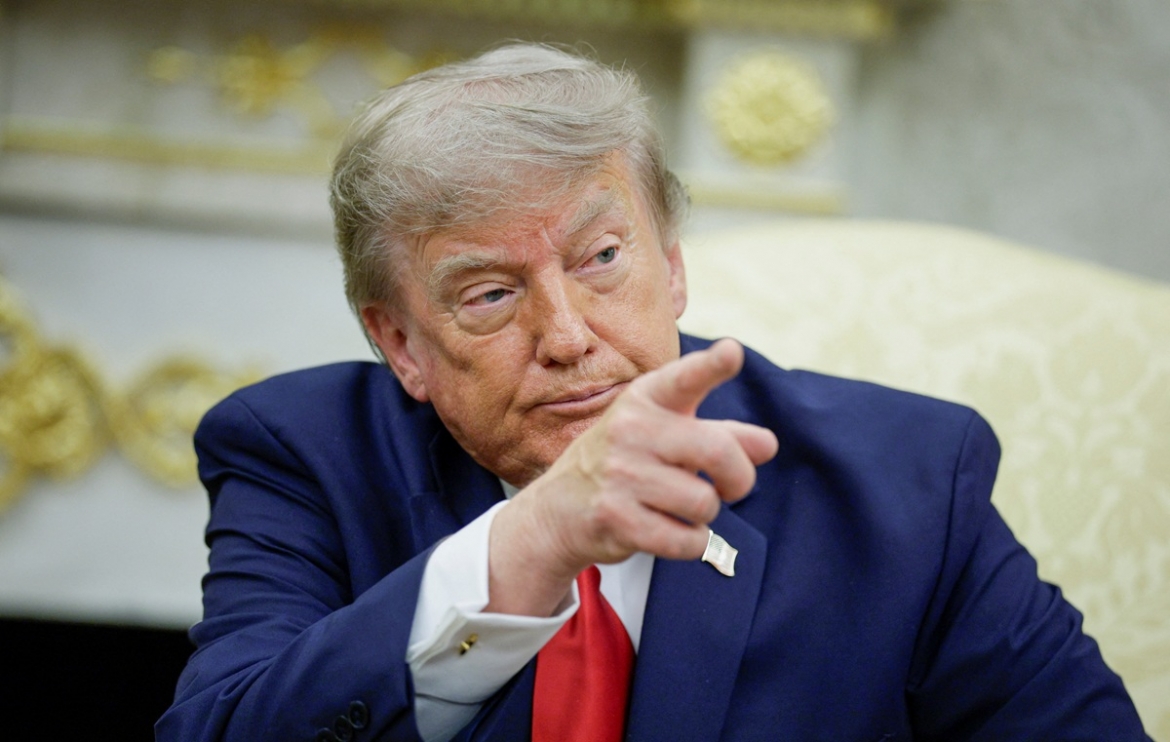
Trump Says Iran Has Not ‘Paid Enough’ for Its Mistakes
U.S. President Donald Trump said he is reviewing Iran’s latest peace proposal but remains skeptical about the prospect of a diplomatic breakthrough, stating that Tehran has not paid a high enough price for its past mistakes.

According to The Guardian and CNN, President Trump’s remarks come amid growing speculation that the U.S. might launch a new offensive against Iran to force concessions, including the termination of its nuclear program.
Israeli media, citing senior military officials, reported that Israel is preparing for the possibility of a U.S. strike on Iran and that Tehran would retaliate by targeting Tel Aviv.
When asked about the potential for renewed conflict, President Trump said on May 2: “That could happen if Iran doesn’t behave, if they do something bad. But, right now, the U.S. is reviewing it.”
In Iran, the Fars News Agency quoted a senior official as saying that a full-scale conflict could reignite four weeks after the U.S. and Iran agreed to a ceasefire brokered by Pakistan. Pakistan’s efforts to help the U.S. and Iran resume peace negotiations have been unsuccessful, as both sides have presented preconditions that the other has refused to meet.
On May 1, Iran submitted a 14-point proposal to the U.S. via Pakistan. The proposal reportedly focuses on lifting blockades and outlines a new mechanism to manage the Strait of Hormuz. It also includes demands for compensation for damages incurred by Iran during the conflict, the lifting of sanctions, and an end to hostilities on all fronts—including in Lebanon, where Israel continues to trade fire with Hezbollah despite the ceasefire previously announced by President Trump.
President Trump stated on May 2 that he had not yet reviewed the details of Iran’s new proposal but would read it in full that day. Shortly after, he posted a comment on social media stating that he “could not imagine the proposal being accepted because Iran has not yet paid a high enough price for what it has caused to humanity and the world over the last 47 years.”
‘Enough Is Enough’: Lawmakers Criticize Trump Over Resumption of Iran War
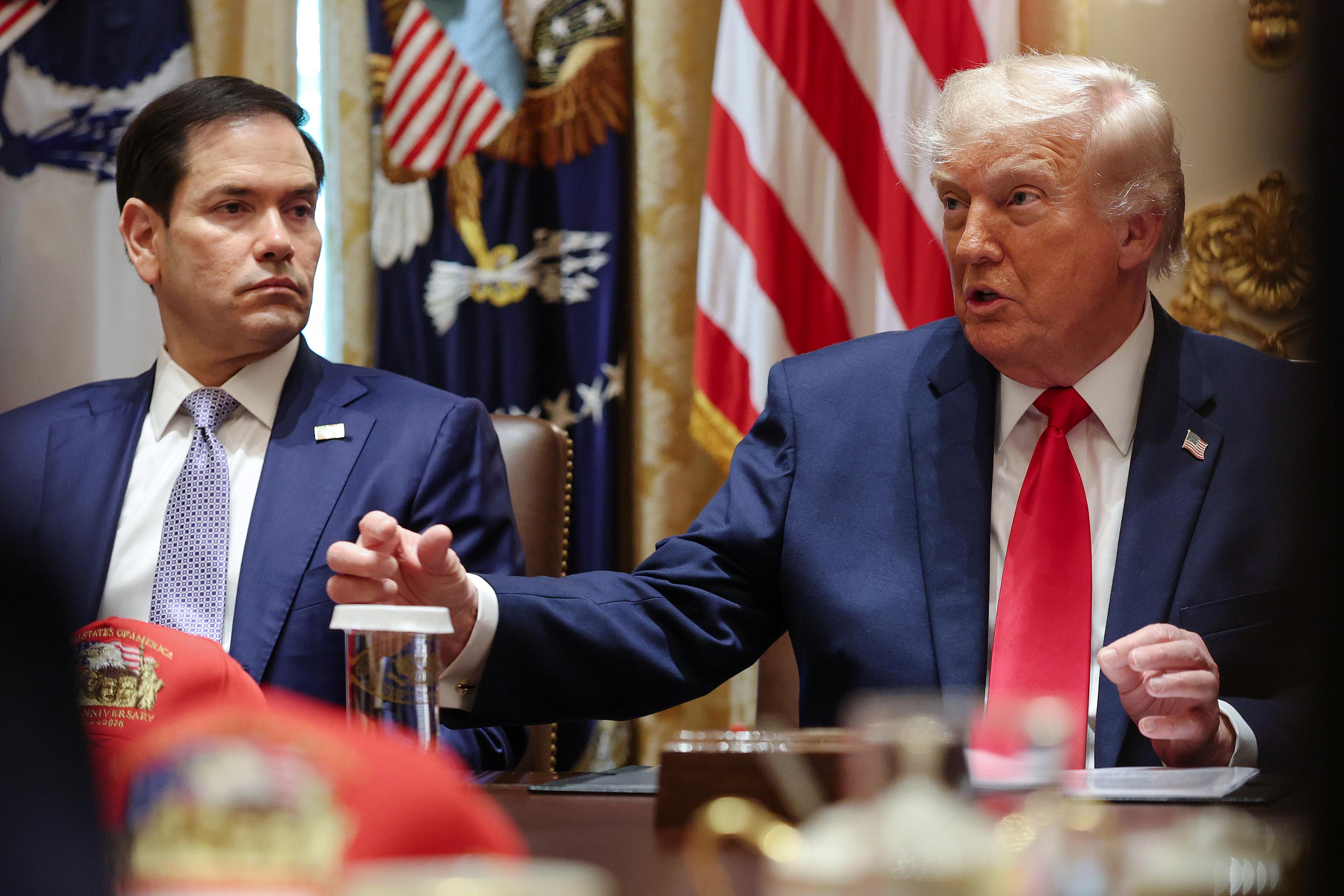
President Donald Trump sent Congress a formal notification that the U.S.-Iran war has resumed as Washington and Tehran trade fresh strikes over the Strait of Hormuz.
The letter, dated July 10 and confirmed to TIME by a White House official on Tuesday, is seemingly viewed by the Trump Administration as the start of a new 60-day window whereby the U.S. can engage in military action against Iran without seeking congressional approval.
However, Democratic lawmakers have denounced the resumption of the Iran war and the return to active hostilities, despite the interim cease-fire agreement signed June 17.
Both the House of Representatives and the Senate passed War Powers Act resolutions last month aimed to restrict Trump from continuing the war.
On Monday, Democratic Sen. Adam Schiff of California called for Congress to “reassert its war powers authority.”
Schiff filed a new War Powers Resolution after the collapse of the cease-fire. The resolution was co-sponsored by Democratic Senators Tim Kaine of Virginia, Andy Kim of New Jersey, Jeff Merkley of Oregon, and Chris Van Hollen of Maryland.
“We were promised the war would be over for months. And now in a matter of days, we’ve gone from a bad U.S.-Iran deal to more strikes, another blockade, and added turmoil that will only drive prices higher,” Schiff said, referencing Trump’s decision to reinstate the U.S. naval blockade in the Strait of Hormuz.
“Any assertion by the Trump Administration that he gets 60 more days to act without Congress has no foundation in law,” he continued, imploring for a “new vote to end this war.”
Senate Minority Leader Chuck Schumer was equally critical of the Trump Administration returning to active hostilities against Iran.
“Donald Trump’s so-called ‘understanding’ with Iran fell apart faster than the ink could dry,” Schumer argued. “The House and Senate both voted to remove our forces from harm’s way and end this war now. Trump must comply.”
He added: “Enough is enough. End the war.”
Schumer showcased his disapproval further when he addressed the Senate floor on Monday, saying: “Trump’s rinse and repeat approach to the Iran war isn’t a strategy, it’s a recipe for utter disaster.”
Focusing on the mounting cost of the Iran conflict, in the midst of an affordability crisis, Schumer added: “We keep moving backward. Gas prices stay high, casualties increase, costs increase. It’s incredible what a fiasco this war is.”
Democratic Sen. Chris Murphy of Connecticut also referenced the economic impact of the war as he noted that “gas prices are spiking again.”
“The bottom line? Trump has no moves to make. His spiraling incompetence has boxed America in. It’s only going to get worse,” he warned.
Murphy argued it was a mistake for the U.S. to kill former Supreme Leader Ali Khamenei, as it allowed “more dangerous hardliners to replace him.”
Democratic Rep. Teresa Leger Fernández of New Mexico also expressed concern.
Trump “is telling Congress the United States is at war again—and claiming another 60 days to wage it without congressional approval,” she said. “He cannot end a war on paper to dodge the law, then restart the clock when it suits him. No more lies. No more endless wars.”
Later on Tuesday, Senate Democrats showcased their objection to the resumption of the Iran war by blocking an annual defense policy bill. With a vote of 50-46, the National Defense Authorization Act fell short of the 60 votes needed to advance.
Lawmakers voted along party lines, except for Senate Majority Leader John Thune, who changed his vote from “yea” to “nay” to allow him to bring the motion back to the floor at a later date.
Democrats and Republicans raise issue with Trump’s plan for Strait of Hormuz
Trump on Monday said the U.S. should control the Strait of Hormuz, a crucial passage through which around a fifth of global oil production typically flows, as renewed hostilities with Iran intensified.
“We are going to keep the Strait. We will probably run it,” Trump revealed during a phone interview. “We’ll become the guardian of the Strait. Maybe we’ll call it the ‘guardian angel’ of the Strait.” He said that the U.S. would ideally then be “reimbursed” for their guardianship of the waterway by “other” nations.
Soon after, Trump announced that the U.S. is reinstating its naval blockade against Iran and will charge 20% on all cargo shipped through the Strait to cover “any and all costs necessary to do the job of providing safety and security to this very volatile section of the world.”
The news came after months of the U.S. and its allies urging for a full, toll-free reopening of the vital waterway.
Trump’s announcement that the U.S. will “run” the Strait and charge a fee for its guardianship prompted criticism and concern across party aisles.
Republican Sen. John Cornyn of Texas told reporters on Capitol Hill: “I recall Secretary [Marco] Rubio saying that would not be proper for any country…. Am I wrong?”
Cornyn appeared to be referencing the Secretary of State’s remarks from late June, whereby he said of the Strait: “It’s an international waterway. No country is allowed to charge tolls or fees on an international waterway. That’s existing international law.”
TIME has contacted Rubio’s office for comment.
Sen. Kim of the Democratic Party also cited concern over the plan for the crucial trade passage, the disruption of which has rocked energy markets across the world.
“Trump’s inconsistent action over the Strait of Hormuz is not a negotiating tactic—it’s expensive for Americans and a threat to the global economy,” he said. “A staggering 20% fee will drive up the cost of daily goods, from fertilizer for our farms to toys for our kids.”
In a swift turnaround, Trump on Tuesday walked back his plans to charge a 20% fee for U.S. “guardianship” of the Strait.
Instead, he plans to replace the fee with “trade and investment Deals that the various Gulf states will be making into the United States.”
Asked about the course reversal after a bilateral meeting with Iraq’s Prime Minister Ali al-Zaidi, Trump said he had been called by countries, Kings, and Emirs keen to invest “billions and billions of dollars” into the U.S.
“I liked that, actually, because I don’t think anybody should be able to charge a fee for the Strait,” Trump told reporters in the Oval Office.
Trump did not provide the specifics of any deals, but said Saudi Arabia, Qatar, the UAE, Bahrain, and Kuwait are among the countries that “would love” to invest money into the U.S.
Responding to the changed plan, Schumer said Trump “has no clue what he’s doing in Iran.”
Meanwhile, the Joint Economic Committee Democrats estimate that Americans have paid $56.4 billion more for gas since the start of the Iran war.
Advertisement
“As President Trump declares that he’s ended his cease-fire with Iran, gas costs have already started rising again, at a time when Americans continue to face the squeeze of higher costs overall from Trump’s war, tariffs, and other actions. Yet President Trump says he doesn’t even think about the financial situation of Americans,” said U.S. Sen. Maggie Hassan of New Hampshire, a ranking member of the committee.
According to the AAA, the national average price for U.S. gas reached $3.85 per gallon on Tuesday. Prior to the onset of the Iran war, the national average for a gallon of regular gasoline stood at $2.98 on Feb. 26.
Inside the 24-hour sprint to convince Trump to drop his plans to toll Strait of Hormuz

President Donald Trump shocked Gulf allies and many of his own aides with his plan to impose a toll on the Strait of Hormuz, touching off an international scramble to convince him to reverse course on his demand, several sources familiar with the matter told CNN.
The abrupt announcement on Monday came despite months of warnings from Trump’s own advisers not to pursue the idea, for fear it would undermine the US’ own war aims — as well as validate Iran’s purported plans to charge fees in the strait, which the administration repeatedly characterized as illegal.
But as he surveyed the intensifying struggle over the strait that had drawn the US back into full-fledged war, a frustrated Trump pressed ahead anyway.
“The U.S.A. will be, from this point forward, known as ‘THE GUARDIAN OF THE HORMUZ STRAIT,’” he wrote on Truth Social Monday morning, vowing to charge a 20% toll on all cargo shipped through the strait.
The surprise directive sparked a 24-hour sprint within the administration and across the Middle East to decode the specifics of a proposal that Trump had seemingly come up with on the spot. And while he reversed his plans on Tuesday, the episode further underscored the freewheeling, transactional nature of Trump’s approach to foreign policy, even in the midst of a prolonged war that he has no clear idea how to bring to an end.

Inside the White House on Monday, aides rushed to flesh out the logistics for creating such an unprecedented tolling system, including determining who would pay the fees and how they would be collected. Many officials and outside analysts initially assumed shippers would foot the bill, but the effort was further complicated by another Trump declaration later on Monday that US allies in the Gulf would be paying instead.
Those same Gulf allies’ leaders, meanwhile, were working frantically to get Trump on the phone in time to talk him out of the idea altogether.
By Tuesday morning, the flurry of appeals from nations — including Saudi Arabia, the United Arab Emirates, Bahrain and Qatar — had succeeded. Instead of the US collecting tolls, Trump announced that the countries had pledged to pour new, undefined sums into US investments.
The Gulf nations have already committed to invest trillions of dollars into the US, though it remains unclear how much of that they will actually spend over the next several years.
“I put it out yesterday, I thought it was good,” Trump said Tuesday of his unprecedented tolling plan. “I was called by different people, different countries, kings and emirs, and all of the people that we all know and we all love. And they’ve been, frankly, they’ve been very strong partners. And they said we’d love to do it a different way.”
A White House official echoed Trump’s public remarks, saying that given Iran’s violations of the agreement to keep the strait open, the president “has always kept all options on the table, and he wisely determined that the United States should be reimbursed for our many years of protecting ships transiting this waterway. Ultimately, our Gulf allies offered to provide investments into the United States, which the President found preferable.”
Since returning the US to active conflict last week, Trump has asserted that the war is effectively won and that another intense-but-short bombing campaign is all it will take to bring Iran to heel. In the meantime, he’s insisted that access to the Strait of Hormuz remains free and open.
But those claims have so far been contradicted by the reality on the ground, including Iran’s continued ability to sufficiently threaten any vessels that attempt to traverse the strait. Shipping traffic through the key waterway has dropped sharply as a result, sending oil prices soaring to levels not reached since before the US and Iran’s peace agreement last month.

A projectile is fired during what the US Central Command (CENTCOM) said was a third round of strikes this week against Iran, in this screen grab taken from a handout video released on July 11, 2026. US Central Command/ReutersZ
Trump had threatened to impose a toll on the strait at previous flashpoints in the war, amid frustration with the outsized importance of a shipping route that he’s complained about having to secure alone despite the US itself not relying on it for oil.
In April, he suggested the US should charge fees because “we’re the winner” in the war, only to later float the concept of a “joint venture” with Iran to control the strait. More recently, he threatened to establish tolls if Iran failed to reach a permanent peace deal, characterizing it as “reimbursement” for the costs of the war.
Yet those suggestions had prompted consistent pushback from Trump’s advisers, people familiar with the discussions said. They argued that new restrictions would only push oil and gas prices higher, adding to the political pressure on Republicans ahead of November’s midterm elections, which are already expected to hinge on affordability concerns.

A customer washes their windshield near gas prices displayed at a gas station on July 7, 2026 in Pasadena, California. According to a new Guardian poll, 95 percent of Americans think that the United States is in the midst of an affordability crisis with many reporting trouble affording necessities like gas and groceries. Mario Tama/Getty Images
Perhaps more immediately troublesome, they warned, it would contradict principles that the administration had laid out opposing the concept of any country imposing fees on a waterway.
“No country is allowed to charge tolls or fees on an international waterway. That’s existing international law,” Secretary of State Marco Rubio said in late June, just before signing the US on to a joint statement rejecting “any tolls, fees or attempts to assert control” over the Strait of Hormuz. “That’s the way it is in international waterways all over the world, and that’s the way we expect it’ll be here.”

Iran’s Foreign Minister Abbas Araghchi attends a press conference at the Iranian embassy on May 15, 2026 in New Delhi, India. Elke Scholiers/Getty Images/File
Confirming those fears, Iranian Foreign Minister Abbas Araghchi was quick to seize on Trump’s comments Monday, saying: “POTUS is absolutely right. Whoever provides secure and safe passage of commercial vessels through the Strait of Hormuz should be compensated for this service.”
“20% is of course too much. We will be fair,” he concluded.




:max_bytes(150000):strip_icc():focal(753x271:755x273):format(webp)/cole-the-deaf-dog-112125-1a-ad248101bd174108a795d88d6afd93d8.jpg?fit=750,500&ssl=1 "Elementary School Throws Deaf Therapy Dog a Surprise Birthday Party as Students Learn Sign Language to Sing ‘Happy Birthday’")












:max_bytes(150000):strip_icc():focal(749x0:751x2)/Mel-Gibson-Fanexpo-Chicago-083126-f90ea0e0e7904853b5fd33a8b889840f.jpg?ssl=1 "Mel Gibson Apologizes for ‘Spontaneous Thoughtless Idiocy’ After Using Mock Sign Language at Toronto Fan Event")